
Nocturnal False Alarm off Menorca: What the “Man Overboard” Alarm on the MSC Grandiosa Reveals
Nocturnal False Alarm off Menorca: What the “Man Overboard” Alarm on the MSC Grandiosa Reveals
A “man overboard” alarm on the MSC Grandiosa about 26 nautical miles off Menorca caused fear on board late at night. Why false alarms must be taken seriously — and what could be improved on the ship, in the port and on the island.
Nocturnal false alarm off Menorca: What the „man overboard" alarm on the MSC Grandiosa reveals
Passengers in cabins, ship on search course — ultimately all clear, but questions remain
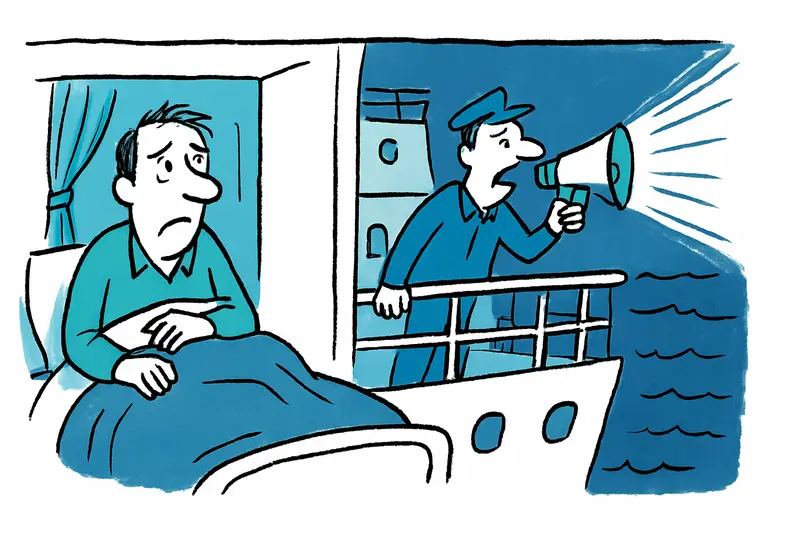
It is shortly after 11 p.m., the night over the Mediterranean lies heavy on the water. The lights of Menorca's coast glitter in the distance, spotlights flicker on the deck of the MSC Grandiosa. Then three shrill alert tones cut through the cabin speakers, a strained voice orders: All guests must return to their cabins immediately. For many on board, who had been enjoying a restaurant, bar or deck, a brief shock follows: the crew does not lock anything, they only ask passengers to report in and confirm their presence. The ship reduces speed to about two knots and begins circling to search for a missing person. In the end: false alarm. No one had gone overboard.
Key question: How robust are alarm and search procedures on large cruise ships when a false alarm terrifies so many people? This is not a theoretical question — similar incidents have been reported, for example Accident on the Marella Explorer 2: What Helps Prevent Onboard Accidents?. A ship with a capacity of up to 6,300 passengers, underway from the high seas toward Palma, can in a short time put hundreds, sometimes thousands of people into a stressful situation — in the middle of the night, far from land.
Critical analysis: The actions on board followed a clear sequence: alarm, instruction for guests to return to their cabins, verification of presence cabin by cabin, scanning of boarding cards and a slow search maneuver. Such procedures are part of the normal safety concept. Nevertheless, they raise questions. Why did the alarm sound so late, when many passengers were dispersed across decks and restaurants? How quickly can a crew distinguish between a real danger and a false alarm? And what does the onboard broadband communication mean for the psychological strain on guests who cannot get information because they are "parked" in their cabins?
What is missing from public debate: numbers and context. There is hardly any publicly available data on how often "man overboard" alarms occur without findings, which technical causes dominate (sensor errors, human error, misidentifications) — issues discussed in When the Beep Fails: Why Protective Bracelets on Mallorca Are Not Enough — and how long average search maneuvers last. Also rarely discussed is how shipping companies inform passengers during such operations — more than that: how they organize multilingual communication, panic prevention and psychosocial first aid. In Mallorca, where port and rescue services regularly work with cruise ships, coordination between ship personnel and national search and rescue agencies remains a topic often negotiated behind closed doors.
Everyday scene from Mallorca: In Palma, while the ferries still rock at Passeig Mallorca, dockworkers on the quayside say they often see the blinking searchlights at sea. A fisherman from Port d'Andratx shakes his head: "You hear the radio calls, the lights, but you rarely see what really happened." In Cala Rajada, a young seasonal worker noticed how the Grandiosa's lights circled on the horizon for a long time — at first he thought it was a technical drill. Such observations show: a nocturnal maneuver is noticed on the island, but seldom explained — and local incidents such as Body Recovered off East Coast: A Sign of Larger Problems at Sea? add to local concern.
Concrete solutions: First: better immediate information. On board, short, meaningful status updates via the ship's app or SMS in several languages should be possible to dampen rumors and panic. Second: routine checks of sensors and double-checks for manual alarms could reduce false alarms. Third: clear protocols for cooperation with Salvamento Marítimo and local ports — when is external support requested, when does the action remain on board? Fourth: training and simulations that include crew but also passengers; not just a single safety briefing, but recurring, easily accessible guidance on emergency behavior. Finally: transparent evaluations. Shipping companies should publish anonymized statistics on false alarms so frequencies and causes become visible and speculation is reduced.
Conclusion: A false alarm is better than an unnoticed real emergency — but the way it is handled reveals much about the resilience of systems and people. When hundreds on board are forced to stay in their cabins, order is created in the short term, but also uncertainty. Mallorca benefits from clear, professionally coordinated operations in the port area; it would be in the interest of all parties if shipping companies, port authorities and rescuers were more open with data and procedures. Then such nights could be less spectacular — and above all less frightening.
Frequently asked questions
How do cruise ships handle a man overboard alarm, and what happens if it turns out to be a false alarm near Mallorca?
What channels are used to keep passengers informed during a cruise ship emergency near Mallorca?
What lessons can Mallorca ports and rescue services draw from a cruise-ship false alarm?
How do authorities in Palma coordinate with ships during search operations near Mallorca?
What did Cala Rajada observers notice about the Grandiosa’s nocturnal maneuver?
What have Port d’Andratx residents observed about cruise-ship safety drills off Mallorca?
What should travelers do to stay calm if a ship emergency occurs while cruising around Mallorca?
What improvements are suggested for handling false alarms on cruise ships near Mallorca?
Similar News
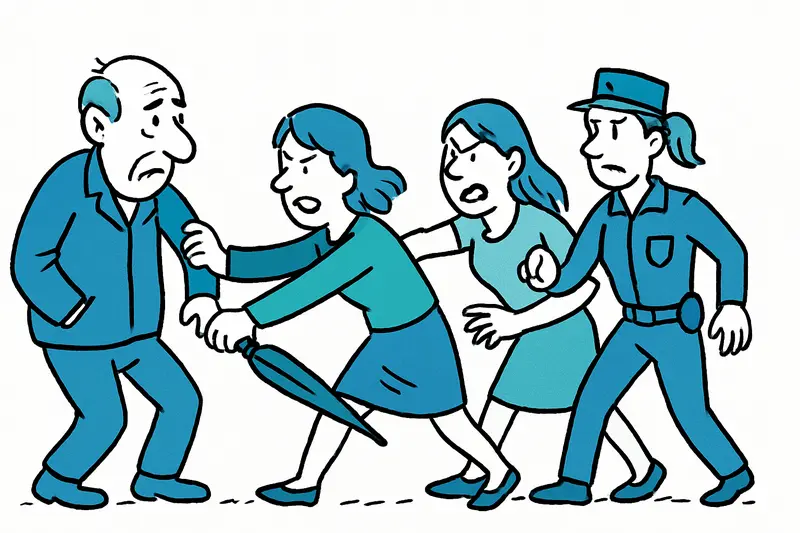
When the Wallet Becomes a Danger: Attack in Peguera and Lessons for Mallorca
In Peguera, two women are said to have stolen the wallet from a 75-year-old German couple. When the victim intervened, t...
Plata stays Plata: Young people take over, Llonguets remain
A small bar on Carrer de l'Argenteria will continue: Tolo Serra hands the place over to young Mallorcans at the end of t...

Unnoticed in the Luggage Compartment: How a Boy Traveled More Than 100 Kilometers in a Team Bus
A minor traveled in the undercarriage of a team bus for more than 100 kilometers until his cries for help were heard. A ...

Cap Vermell Grand: Second Michelin Key – a Gift for the East
The Cap Vermell Grand in Capdepera has been awarded its second Michelin key. For the region this elevates the luxury off...
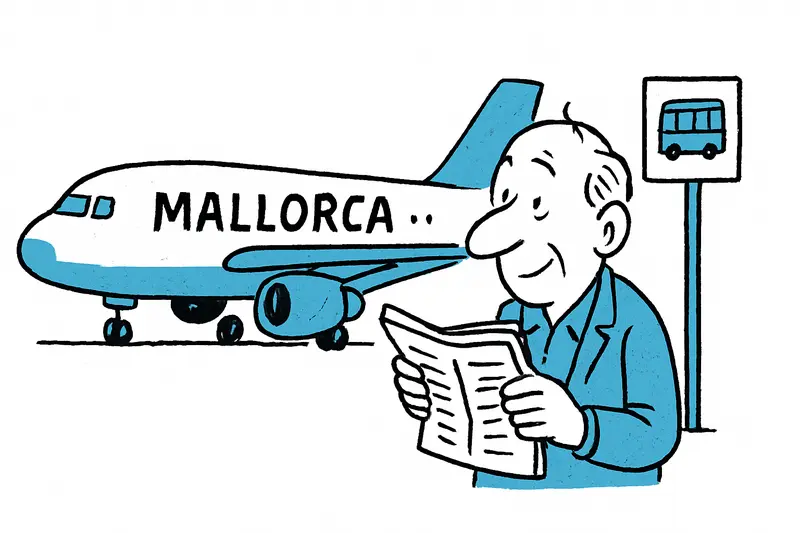
Eurowings lets four aircraft carry names – a friendly idea that also reaches Mallorca
Eurowings is launching a campaign: four Airbus A320s are to carry the first names of people who help others in everyday ...
More to explore
Discover more interesting content

Can Cap de Bou

Townhouse Lleo 72
