

False Landlords, Real Losses: The Scheme Behind the Holiday Home Scam in Mallorca
False Landlords, Real Losses: The Scheme Behind the Holiday Home Scam in Mallorca
A gang used fake listings, short-term rentals and fabricated contracts to steal at least €18,000 from people seeking accommodation in Mallorca. The National Police halted the group — but the gaps remain.
False Landlords, Real Losses: The Scheme Behind the Holiday Home Scam in Mallorca
How a gang used fake finca listings to take thousands from holidaymakers and prospective tenants — and what we should learn
Key question: How were fraudsters on an island with housing shortages and a strong short-term market able to convince people over a long period to transfer large sums to alleged landlords?
The facts are sparse but clear: a special unit of the Policía Nacional has been investigating since late December a group of which four people — three men and one woman of Spanish and Colombian origin — are accused of having obtained at least €18,000 through fake holiday home offers. The suspects face charges of fraud, money laundering, forgery and membership in a criminal organization. Investigators named the operation 'Zemtrun'.
The method seemed deliberate: perpetrators searched platforms for occasionally available holiday properties, rented them briefly, removed personal belongings and photographed the rooms. With these images they posted their own listings online and posed as the owners. Interested parties were invited to viewings; the supposed landlords claimed they were currently not on the island and sent 'trusted' relatives to appointments. Telephone accompaniment, the exact address and WhatsApp conversations gave many applicants the deceptive impression of legitimacy.
Important detail: as soon as things became concrete, the perpetrators demanded large advance payments — in many cases two months' deposit plus the first rent. One victim allegedly transferred €7,500 (Suddenly Without a Finca — Payments Missing: Who Is Liable, Who Pays?). To make the scheme appear more credible, the suspects sent rental contracts. But days before move-in they suddenly became unreachable; key handovers did not take place. In one case a victim did receive keys but then found out the accommodation had only been rented short-term — and the money was gone.
Critical analysis: the interplay of housing shortages, digital mediation and lack of cross-checks makes the island vulnerable. Platforms provide photos, texts and profiles, but they rarely verify ownership or whether an account really belongs to the owner, as detailed in Illegal Holiday Listings in Mallorca: Why Enforcement Fails and How It Could Work Better. Bank transfers are attractive to fraudsters — they are fast, hard to reverse and can be routed through intermediary accounts, facilitating money laundering. For perpetrators it is relatively easy to build the facade of a legitimate business: professional photos, a contract as PDF, a WhatsApp number.
What is often missing in public debate: concrete guidance on how to verify owners and what institutional obstacles exist. Authorities, platform operators and agencies are responsible, but the discussion often revolves only around individual cases; similar patterns have been reported in When Long-Term Tenants Turn into Holiday Landlords: The Inquilinos Pirata in Mallorca. The experience of victims remains underexposed — the embarrassment, lack of legal knowledge and high emotional burden when the dream of a quick move or perfect holiday spot collapses.
Scene from everyday life: on Saturday afternoons, when suitcases click over the cobblestones of Passeig Mallorca and voices drift from Mercat de l'Olivar, you repeatedly meet people with plans for the summer: families with notes, retirees who want to spend the winter here, young couples with wish lists. This routine is the ground on which such schemes succeed — when the offer sounds tempting and time is pressing, skepticism drops.
Concrete measures for tenants and buyers: 1) Always verify the owner's identity: cross-check names — for example via the Spanish cadastre (Catastro) or the property registry (Registro de la Propiedad) — even if it takes time and sometimes a small fee. 2) Only attend viewings with keys that demonstrably belong to the property and never pay large sums in cash on the spot to strangers. 3) Choose payment methods that allow chargebacks or use escrow services; avoid transfers to private individuals without proof. 4) Be cautious with PDF documents: contract templates can be easily forged; when in doubt consult a specialist lawyer or consumer advice center. 5) Report suspicious profiles and listings to the platforms and file a complaint with the Policía Nacional immediately.
On a systemic level steps are necessary: platforms must strengthen ownership checks and verification mechanisms; better communication between local police departments and online marketplaces would uncover patterns faster. In addition, an easily accessible guide in English and German for foreign prospective tenants would be helpful — a small service that could protect many people from harm.
Conclusion: the arrests show that the police can act, as covered in Arrest in Santanyí: How vulnerable is Mallorca's real estate market to fraud?. Nevertheless, the conditions that enable such frauds remain: scarce housing, high demand and habitual digital transactions. Anyone searching for a finca or apartment in Mallorca should remain suspicious, slow down and insist on proof. In the mix of sun, tourism and haste, fraud thrives more than you might think — and only the combination of healthy skepticism, simple checks and better platform rules makes us less vulnerable.
Frequently asked questions
How do fake holiday rental scams in Mallorca usually work?
How can I check if a landlord in Mallorca really owns the property?
Is it safe to pay a deposit for a rental in Mallorca by bank transfer?
What warning signs suggest a Mallorca holiday home listing could be fake?
What should I do if I think I have been scammed by a rental listing in Mallorca?
Why are rental scams easier to pull off in Mallorca?
What should foreigners know before renting a home in Mallorca?
Can a short-term holiday property in Mallorca be used in a scam against long-term tenants?
Similar News

More water than last year: Mallorca's reservoirs breathe easier
September rain refilled the Tramuntana's reserves: overall fill around 35 percent, Cúber at 40.42 percent, Gorg Blau at ...
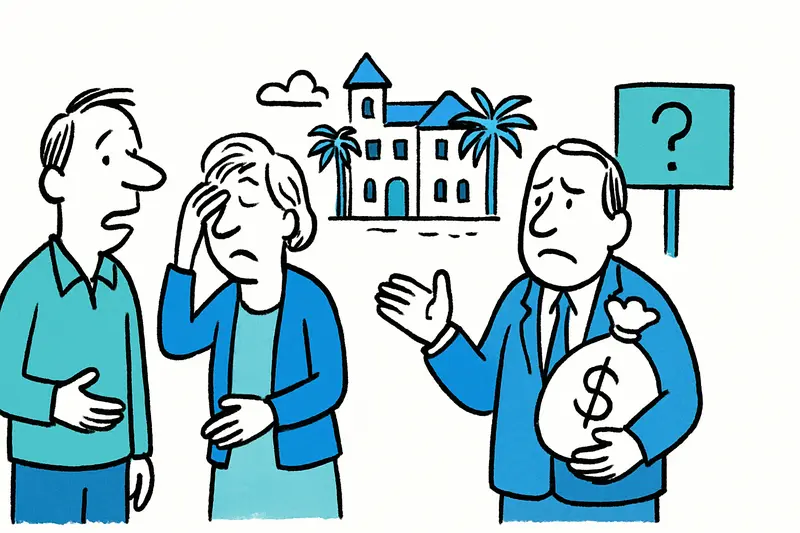
Three Luxury Hotels in Banyalbufar: Lots of Money, Many Questions
A Danish investor plans three exclusive accommodations in Banyalbufar — including the historic Son Valentí. The announce...
2.1 tonnes of cocaine on sailing yacht off Spain's coast – a reality check for the coastguard
A 14-metre yacht was seized with 2.1 tonnes of cocaine. Who monitors the ports, how does the international hunt succeed ...

Heat Bonus in Mallorca: 100 Euros Extra for Outdoor Staff at MarSenses
MarSenses pays employees who worked outdoors in August an extra €100 as recognition. Lighter uniforms, reduced hours for...
Renovating in Mallorca: What You Really Can Do Without Neighbour Consent
Many think they can do whatever they want in their apartment. That's partly true — but only as long as structural elemen...
More to explore
Discover more interesting content

Can Cap de Bou

Townhouse Lleo 72
