
Farewell to Horse Carriages? Why the Voluntary Switch to E-Cabs Raises More Questions Than It Answers
Farewell to Horse Carriages? Why the Voluntary Switch to E-Cabs Raises More Questions Than It Answers
The remaining coachmen in Palma want to switch to electric vehicles at their own expense. Good news for some, uncomfortable for others: Who pays, how will animal protection continue to work, and will Palma still be Palma?
Farewell to Horse Carriages? Why the Voluntary Switch to E-Cabs Raises More Questions Than It Answers
Key question: Can the self-financed switch by the 28 remaining coachmen to electric 'galeras' truly solve the unresolved issues of animal welfare, traffic and the city's appearance?
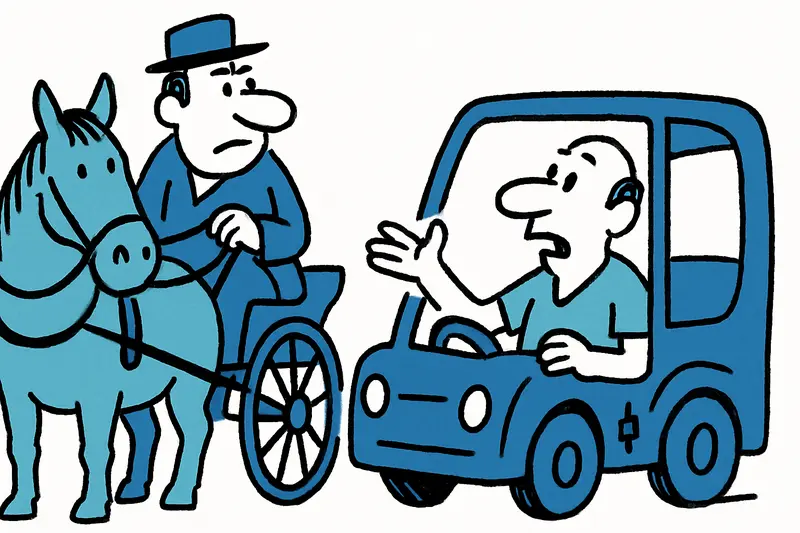
On the Passeig del Born, on a cool evening, the memory of clattering hooves still lingers. Tourists pause, photograph the reins being held in front of the Catedral, children reach out their hands – scenes many of us know. Now the last 28 coachmen in Palma are announcing that they will bring electrically driven “galeras” onto the streets instead of horse-drawn teams. They say they are tired of hostility and social change and want to finance the conversion without public aid. At first glance that sounds pragmatic. But a closer look reveals problems.
The facts are sparse: the sector wants to replace traditional carriages with stylish e-vehicles, with a unit price quoted by the professional association at around €40,000. The city has received a formal proposal; there had previously been a halved pilot project that was not continued (initially a first tranche of €500,000 had been provided, a further sum was later not approved, see Palma and the Horse Carriages: Between Nostalgia, Costs and a Change of Heart).
At the same time, stricter rules for animals already exist: during official heat warnings horses are not to be seen on the streets during daytime, and regular veterinary checks are mandatory (Palma orders medical checks for carriage horses — turning point for horse-drawn carriages?).
Critical analysis: Three problem areas stand out. First, financing alone is a pseudo-solution. If the coachmen are expected to buy the €40,000 vehicles from their own pockets, that hits centuries-old family businesses hard. Leasing, reserves or loans without transitional support would mean high burdens and risk. Second, animal welfare remains incompletely addressed in public debate: the disappearance of visibly working horses does not automatically reduce animal suffering if veterinary checks or heat protection were previously only half-heartedly enforced. Third, cityscape and traffic: electric galeras are quieter and cleaner, but they also change the soundscape and the look of Palma. For some that is a loss, for others a liberation. What is missing is a clear vision of how the change will be managed socially and spatially (see Palma Struggles to End Horse-Drawn Carriages: Majority but No Final Decision).
What has not been discussed enough so far: transparency on costs, protection mechanisms for employees, technical standards for the new vehicles, and a plan for charging infrastructure and repair shops. A binding transition period is also missing: will horse keeping and care be stopped entirely, or will stables remain as retreats? There is no public list yet of how many horses are affected, where they will be housed, and what the future holds for the animal owners.
An everyday scene: One morning on the Carrer de Sant Miquel three retired women engage in lively discussion on a café terrace. “If the horses are gone, the sound is gone,” says one, while nearby a rubbish truck beeps and an electric scooter whizzes by. The mix of nostalgia and pragmatism reflects Palma – people seeking their place between tradition and tourist-driven change.
Concrete solutions that could help:
1. Phased support instead of one-off payments: A funding mix of grants, low-interest loans and leasing models reduces the risk for individual coachmen and ensures predictable costs.
2. Social protection: Retraining and further education opportunities (e.g. maintenance, tour guiding, e-mobility) as well as transitional allowances for businesses to offset income losses.
3. Technical and aesthetic minimum standards: Safety, emission and comfort rules for e-galeras as well as requirements that take the cityscape into account (choice of materials, design, sound levels).
4. Animal welfare transparency: Open data on horse populations, stable conditions and inspection findings as well as independent monitoring as long as animals are kept.
5. Plan infrastructure: Charging points, central maintenance stations and certified workshops in neighborhoods so the new vehicles are not charged or repaired improvisedly.
6. Participation instead of imposition: Citizen forums and representatives from tourism, animal protection and the coachmen’s union should negotiate transition rules so the solution is accepted locally.
Conclusion: The announced move away from horses is a turning point – for those who work with the animals every day as well as for residents and visitors. It is welcome that the sector is seeking a way to defuse conflicts. But voluntary will alone is not enough. Without financial, organizational and legal support there is a risk of social hardship, gaps in animal welfare and a disorderly change in the streetscape. Those who want to shape Palma must now clarify the details: who pays, who controls, and how the island remains both humane and vibrant?
Frequently asked questions
Are horse carriages in Palma being replaced by electric vehicles?
Why is Palma considering electric galeras instead of horse-drawn carriages?
How hot is it for horse carriages in Mallorca during summer?
Can you still see horse carriages in Palma’s city centre?
How much would an electric galera cost in Palma?
What happens to the horses if Palma ends horse-drawn carriages?
Are there rules for horse welfare in Palma already?
What is changing for tourism in Palma if the carriages become electric?
Similar News
Released with Conditions: The Plus Ultra Suspicion and a Mallorcan Finca as Residence
A Dutch entrepreneur, sought in connection with the Plus Ultra case, was extradited to Spain after his arrest in Germany...

Haute Nuit in Puerto Portals: Fashion, Art and Indulgence by the Water
On October 2 the Lobster Club in Puerto Portals will be transformed into a stage for curated fashion, art and culinary e...
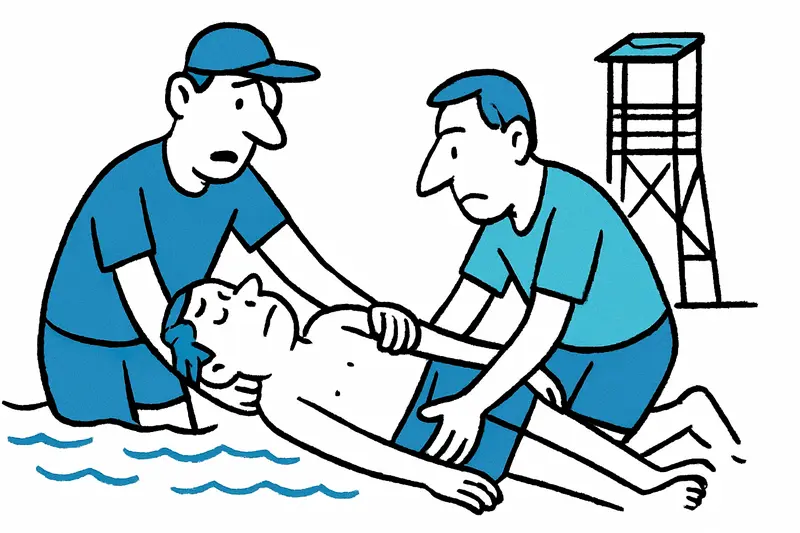
Magaluf: Watchtower Alarm – Lifeguards Pull Unconscious Beachgoer from the Water
After a drama in the late afternoon, two lifeguards at Magaluf beach rescued an unconscious 44-year-old man. He was stab...
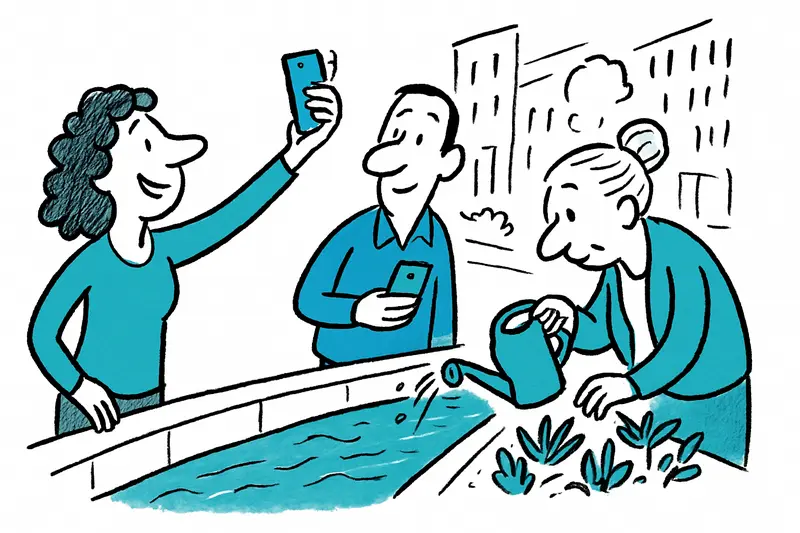
Turquoise in the City: How dangerous is the color play of the Sa Riera?
The Sa Riera in Palma suddenly turned turquoise — a pretty motif, but behind the effect lies a discharge of saline waste...

Jeckliner at Sunnesching: Cologne spirit sets sail from Palma
In September 2027 the Mein Schiff 2 briefly becomes a floating carnival stage: four days with Cologne bands, comedy and ...
More to explore
Discover more interesting content

Can Cap de Bou

Townhouse Lleo 72
