
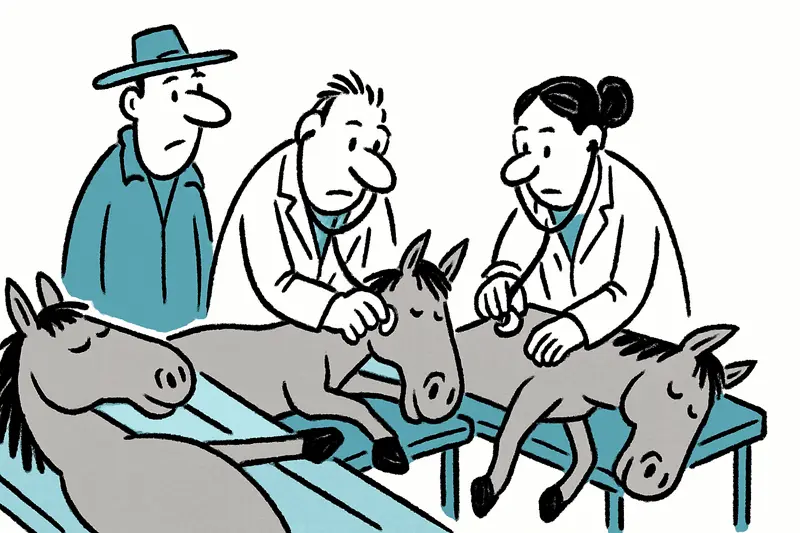
Palma orders medical checks for carriage horses — turning point for horse-drawn carriages?
After several collapses, two carriage horses in Palma are undergoing comprehensive examinations. The city demands written results — an occasion for a broader debate about oversight, climate and traditions in the city centre.
Why this inspection must be more than a protocol
When a carriage's wheels squeaked over the cobbles of Passeig del Born at midday yesterday and one horse visibly staggered, more than just tourists' curiosity was stirred. Two horses have collapsed in recent days, as reported by After Two Collapsed Horses: Palma Faces a Decision — Rethinking Carriage Rides. The city has now responded and scheduled a special clinical examination for tomorrow. The key question remains: Is a single examination enough to solve a structural problem?
What the authorities say — and what they don't say
Officially, early indications do not point to heatstroke or a chronic illness, but to accidents, though some point to heat as a factor, as noted in Carriage horse collapses in front of San Nicolás: Heat, animal welfare and the question of the future. Veterinary checks including blood tests and orthopedic examinations are planned. Deployment schedules, break protocols and loads will also be reviewed. In writing, the town hall emphasizes. That sounds thorough. But it remains unclear who will monitor the protocols in future and how transparently the results will really be published.
The scene on the ground
In the narrow streets around Plaça Major you can hear the clatter of hooves, tourist laughter and the murmur of market sellers. A vendor who wishes to remain anonymous recalls: „The horse took minutes to get back on its feet. It was frightening.“ A taxi driver adds dryly: „Tradition is one thing. Suffering is another.“ Scenes like these shape the atmosphere in the old town — between nostalgia and unease, as previous incidents illustrate in Horse Falls in Palma: Do Carriages in the Old Town Need Rethinking?.
Less-discussed aspects
Three points are often missing from the public debate: first, the economic dependence of individual carriage drivers on daily rides; second, the role of intermediaries and tour operators who may increase pressure on drivers; and third, the impact of ever hotter summers on the animals' welfare. Mallorca is becoming drier, and asphalt and stone retain heat — a problem that is less noticeable in shady avenues but strongest in the narrow streets.
There is also the question of monitoring: Who really counts the breaks? Are there GPS or time-tracking data? Or are records left open to interpretation? Without independent checks, every promise of improvement remains well-intentioned.
Animal welfare advocates and residents demand consequences
Organizations see structural deficiencies: stress from traffic, lack of rest areas, long shifts on 40-degree days. Some even call for an end to horse-drawn carriages in the city centre, a position outlined in Palma Struggles to End Horse-Drawn Carriages: Majority but No Final Decision. Others prefer a middle ground: stricter regulations instead of blanket bans. Both sides unite in demanding clear, verifiable rules and independent oversight.
Concrete measures that should be discussed now
The upcoming examinations could be the starting point for real reform if the city offers more than fines. Concrete proposals:
- Mandatory, public health checks for all deployed horses, at least twice a year, with an independent body as certifier.
- Transparent deployment logs that are digitized, stored and spot-checked — including breaks, routes and temperatures.
- Weight limits and route restrictions for hot days as well as a binding temperature stop during heatwaves.
- Promote alternatives: electric carriages on tourist routes, retraining and support programmes for carriage drivers so that tradition is not bought at the cost of animal suffering.
Opposition and opportunities
Some drivers see carriages as their livelihood. Sudden restrictions without compensation would be socially problematic. At the same time, a clear, more humane framework offers the chance to improve the city's image and promote more sustainable tourism in the long term. A socially balanced transition with funding and training could cushion conflicts.
How to proceed now
Tomorrow's examination will provide the first medical answers. More important, however, are the next steps by the city administration: publishing the results, setting clear requirements and establishing an independent monitoring body. Only in this way will a single incident not become a recurring pattern. And only then can the question be answered whether carriage horses in Palma remain a contemporary cultural asset — or a relic that should be rethought.
For the people of Palma, the hope remains that the city will not only react but shape the future. Between the clatter of hooves and the noise of scooters, a new, responsible approach to tradition could emerge.
Frequently asked questions
Why are Palma’s carriage horses being medically checked?
Can you still take a horse-drawn carriage in Palma right now?
Are Palma carriage horses affected by the summer heat?
What checks are planned for carriage horses in Palma?
Why do some people want horse-drawn carriages banned in Palma?
What is happening around Plaça Major in Palma with the carriage horses?
How could Palma change horse-drawn carriages in the future?
Do carriage drivers in Palma depend on horse rides for their income?
Similar News
Masked Images, Real Panic: When Social Media Aesthetics Alarm Neighbors
Five German content creators filmed on a recently vacated detention site using deceptively realistic props. The result: ...
Why the Striped Breams in Cala Pí Should Be a Wake-up Call
Once again bathers in Cala Pí were surrounded while swimming by small, nippy fish — some wounds bled. Time for clear rul...
Daily from New York: How Palma's Air Traffic Is Growing — and What Must Change
United will increase the Newark–Palma service to daily flights in 2027 (Boeing, 231 seats). Strong tourist numbers clash...
When Love Ends in Shards: Destruction in Son Vida and the Questions That Remain
In Son Vida a relationship dispute escalated: a woman destroyed furniture in a luxury villa, later pressed a panic butto...
Who Bears the Burden? Mallorca Between Tenant Protection and Landlord Fears
Madrid's new housing decrees strengthen tenant rights — but on Mallorca concern is growing: will the law drive small lan...
More to explore
Discover more interesting content

Can Cap de Bou

Townhouse Lleo 72
