
Fatal fall at Sa Calobra: When will the famous descent be safer?
Fatal fall at Sa Calobra: When will the famous descent be safer?
A cyclist falls into a deep embankment on the descent to Sa Calobra and dies on site. Why does the route remain so dangerous — and what needs to change?
Fatal fall at Sa Calobra: When will the famous descent be safer?
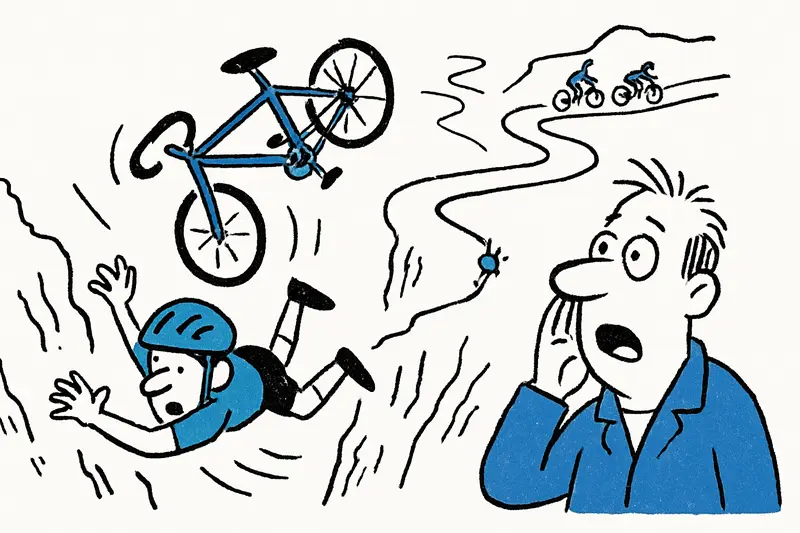
In the afternoon a serious accident occurred on the descent to the bay of Sa Calobra: a cyclist, part of a riding group, reportedly lost control of her bike near Escorca, fell about 15 meters and died at the scene. The incident is said to have happened at around kilometer 10.3 of the route. Emergency teams, including the mountain rescue from Sóller and medical personnel, were quickly on site; eyewitnesses and helpers performed CPR for a long time. A requested rescue helicopter did not deploy after it became clear that forensic procedures were required first; the Guardia Civil has taken over the investigation. The identity of the deceased was initially unclear, as no identification documents were found.
Key question
What responsibility do authorities, the tourism industry and the cycling community bear to ensure that a scenically spectacular but technically demanding descent like the one to Sa Calobra does not lead to further fatal accidents?
Critical analysis
The geography is unforgiving: tight hairpins, long downhill stretches, steep rock faces and sections with uneven surfaces demand respect and experience. Those who ride the road from top to bottom feel the wind in the turns, hear the gravel under the tires and know how quickly small mistakes can have major consequences. Several factors come together in such situations: group dynamics (riding in groups tends to increase speed), road surface, missing or unclear signage and the often underestimated difficulty of certain sections. In addition, rescue and recovery in narrow, steep sections take longer than on ordinary roads — despite rapid alerting.
What is missing from the public discourse
There is much reporting on individual accidents, but little on systematic causes: How often are critical sections inspected and repaired, as seen after the Desprendimiento en la Ma‑2141: ¿Qué lecciones deja el cierre de la Ma‑2141?? Are there clear warnings for cyclists before the most dangerous hairpins? Are groups informed about local hazards? And how well is coordination between emergency services, municipalities and tourism associations when it comes to implementing safety measures? These questions rarely make it onto the public agenda.
Everyday scene on Mallorca
On a spring day at the MA-2141 you can hear the church bells of Escorca, see the pines trembling at the roadside and watch cyclists in colorful jerseys speeding down the switchbacks. In one of the lay-bys an old man sits with a cup of coffee, two dogs bark beside him; tourists get out and take photos. This contrast of idyll and danger is what makes the route so popular and at the same time so risky; similar tensions are reported in Pruebas peligrosas de valentía en la costa este de Mallorca: cuando los acantilados se convierten en trampa.
Concrete solutions
- Technical improvements: Prioritise repairs at critical spots (e.g. uneven surfaces, drop-offs); review and, where appropriate, install barriers and guardrails at particularly fall-prone locations. - Visibility and information: Clear warning signs well before long descents, recommended speeds for riding groups, road markings and warning signs at blind curves. - Prevention through education: Local campaigns at the start of the season, information at rental stations and hotels, leaflets with maps marking the most dangerous sections. - Rules for group rides: Recommendations for spacing, speed limits for groups, mandatory lead and sweep riders for large teams; cooperation with cycling clubs to spread the guidelines. - Rescue and access: Regular exercises between mountain rescue, medical services and the Guardia Civil; better marking of access routes for emergency vehicles and designated helicopter landing zones. - Data collection: Systematic recording of accidents on the route to prioritise danger spots based on data.
Conclusion
The route to Sa Calobra is one of the island's most striking: dramatic landscape, great appeal for cyclists — and unfortunately also high risk potential. The recent death is a stark reminder that beautiful views alone do not create safety. More than expressions of concern are needed: concrete, coordinated measures from the municipality, rescue services and the cycling community. Otherwise the descent will remain a stretch of nature that claims lives.
Frequently asked questions
Is the descent to Sa Calobra in Mallorca dangerous for cyclists?
What makes the Sa Calobra road in Mallorca so difficult to ride?
Should cycling groups be extra careful on Mallorca’s Sa Calobra descent?
What kind of safety measures could make Sa Calobra safer in Mallorca?
When is the best time to cycle Sa Calobra in Mallorca?
What should cyclists pack or check before riding Sa Calobra in Mallorca?
How are accidents on Sa Calobra in Mallorca usually handled?
Why is Sa Calobra in Mallorca both popular and risky?
Similar News
Magaluf: Watchtower Alarm – Lifeguards Pull Unconscious Beachgoer from the Water
After a drama in the late afternoon, two lifeguards at Magaluf beach rescued an unconscious 44-year-old man. He was stab...

Turquoise in the City: How dangerous is the color play of the Sa Riera?
The Sa Riera in Palma suddenly turned turquoise — a pretty motif, but behind the effect lies a discharge of saline waste...

Jeckliner at Sunnesching: Cologne spirit sets sail from Palma
In September 2027 the Mein Schiff 2 briefly becomes a floating carnival stage: four days with Cologne bands, comedy and ...
Finally Home: Mike and Leyla Heiter Buy Villa with Sea View in Mallorca
The reality TV couple Mike and Leyla Heiter have bought a house in Mallorca with a roof terrace and sea view. An Instagr...

Arrest after series in Palma: Who protects apartments from repeat offenders?
The National Police arrested a man in Palma who investigators say may have broken into several apartments. In one incide...
More to explore
Discover more interesting content

Can Cap de Bou

Townhouse Lleo 72
