
Almost two per mille, no driver's license: An accident in Palma and the questions that remain
Almost two per mille, no driver's license: An accident in Palma and the questions that remain
A 30-year-old driver without a license overturns in Palma. The accident brings alcohol at the wheel and checks into focus — but is that enough?
Almost two per mille, no driver's license: An accident in Palma and the questions that remain
Main question
Why do accidents involving heavily intoxicated drivers keep happening in Palma — and what concrete steps are needed to make such scenes rarer?
What happened
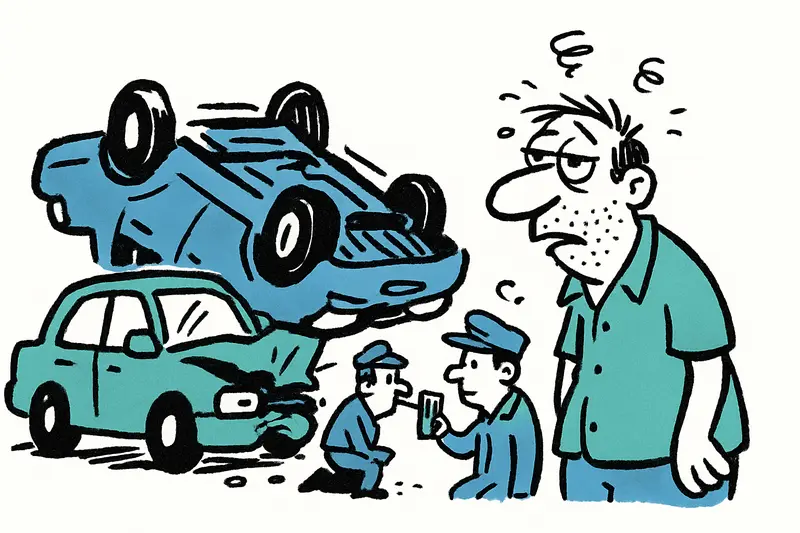
On the evening of April 2, a 30-year-old man was driving on Josep Melià street in Palma when his car collided with a parked vehicle. The force of the impact pushed that vehicle into another. The car overturned and came to rest on its roof. At the scene, responders found clear signs of alcohol consumption by the driver; a breath test showed 0.95 mg/l (about 1.9 per mille). In addition, the man does not have a driving license. The vehicle was towed, and the driver is being investigated for drunk driving and driving without a license; the case is now before the courts, echoing other recent incidents such as After head-on crash in Palma: Fleeing and many questions – 31-year-old dies.
Critical analysis
The incident is not an isolated "slip-up." Two points stand out: first, the high level of intoxication; second, the absence of a driving license. Together they dramatically increase the risk. Alcohol impairs perception and reaction, and without formal testing there is no guarantee of knowledge about traffic rules and hazard awareness. In Palma, where narrow streets, cyclists and many parked cars come together closely, mistakes can quickly trigger a chain reaction. Recent fatal crashes, including Fatal accident near Son Castelló: Three passengers come forward — where are the gaps in responsibility?, further highlight systemic gaps.
What's missing from the public discourse
After such accidents, the conversation often centers on individual blame — which is correct, but too limited. The question of preventive systems is missing: How effective are night-time checks in residential and nightlife districts? Are repeat offenders consistently sanctioned? How well are information and options for returning to safe mobility (taxis, night buses) established? Another rarely discussed issue: How do people without a license still get access to vehicles? Cases like When a Dispute in Portopí Ended Up in the Harbor: Crash Without Driver's License Raises Questions and reports of Fake Driver's Licenses in Palma: Fifth Case – An Isolated Incident or a System? show how complex the problem can be. This gap in the discourse prevents sustainable solutions.
Everyday scene from Palma
Imagine Josep Melià on an evening: streetlights cast yellow light on wet cobbles, voices spill out of a bar, a delivery scooter weaves between parked cars, a garbage truck rumbles down a side street. These streets are not built to absorb heavy rollovers. Neighbors wake up, you hear the clinking, curious glances at windows, and later the blue and red lights of the police — scenes familiar to many here.
Concrete solutions
1) Visible but fair checks: pre-emptive breath tests in the evening at known hotspots can act as a deterrent. 2) Link sanctions with prevention: driving without a license should not only mean fines; mandatory information courses and accompanied mobility alternatives (e.g. discounted taxi vouchers for first-time situations) reduce the risk of repeat offenses. 3) Use technology: more mobile breathalyzers for patrols increase the reach of controls. For repeat offenders, ignition interlocks could be an option by court order. 4) Improve night-time safety: an expanded night-bus offer and visible checkpoints around bars and clubs make it easier to leave the car behind. 5) Neighborhood and local initiatives: effective prevention needs local actors — hotels, bars and residents should be more involved in awareness measures.
Why this matters for Mallorca
The island lives from visitors, but above all from everyday life: families, commuters, night-shift workers. Every accident caused by alcohol at the wheel affects this diversity. Visible measures protect not only foreign tourists, they also relieve emergency services and courts and preserve a sense of safety in neighborhoods like Santa Catalina or around Plaça d'Espanya.
Concise conclusion
One man, two mistakes (alcohol, no license) — and a whole series of unanswered questions. Palma needs more than outrage after the crash: targeted checks, practical alternatives to driving, and sanctions that include prevention. Otherwise the same scenes will repeat, perhaps with a worse outcome next time.
Frequently asked questions
What should you do if you see a drunk driver in Palma?
How dangerous is driving in Palma after drinking alcohol?
Can you be charged in Mallorca for driving without a license and drunk driving?
Why do alcohol-related accidents keep happening in Palma?
What makes Josep Melià street in Palma risky for traffic accidents?
What are the penalties for drunk driving in Mallorca?
How can Palma reduce drunk driving at night?
Is it common to find drivers without a license in Palma?
Similar News
Magaluf: Watchtower Alarm – Lifeguards Pull Unconscious Beachgoer from the Water
After a drama in the late afternoon, two lifeguards at Magaluf beach rescued an unconscious 44-year-old man. He was stab...
Turquoise in the City: How dangerous is the color play of the Sa Riera?
The Sa Riera in Palma suddenly turned turquoise — a pretty motif, but behind the effect lies a discharge of saline waste...

Jeckliner at Sunnesching: Cologne spirit sets sail from Palma
In September 2027 the Mein Schiff 2 briefly becomes a floating carnival stage: four days with Cologne bands, comedy and ...
Finally Home: Mike and Leyla Heiter Buy Villa with Sea View in Mallorca
The reality TV couple Mike and Leyla Heiter have bought a house in Mallorca with a roof terrace and sea view. An Instagr...
Arrest after series in Palma: Who protects apartments from repeat offenders?
The National Police arrested a man in Palma who investigators say may have broken into several apartments. In one incide...
More to explore
Discover more interesting content

Can Cap de Bou

Townhouse Lleo 72
