
After the Fatal Rally Crash: A Reality Check for Mallorca
After the Fatal Rally Crash: A Reality Check for Mallorca
The death of L’Osteria co-founder Klaus Rader at the Rally 550 Challenge raises questions about safety on Mallorca's country roads. Who bears responsibility — organizers, authorities or the drivers themselves? A critical look with an everyday scene, missing points in the public debate and concrete proposals.
After the Fatal Rally Crash: A Reality Check for Mallorca
Main question: How can Mallorca prevent a socially prominent motorsport evening like the Rally 550 Challenge from ending in a fatal accident on the MA-10?
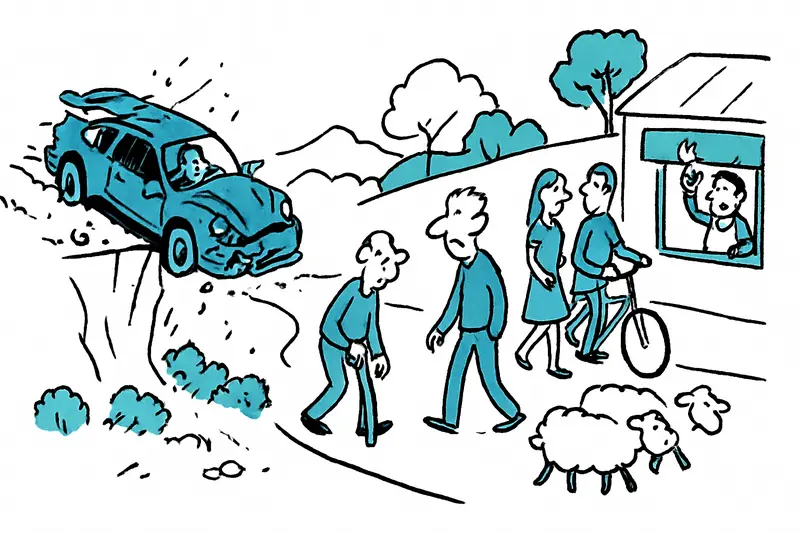
The news hit the island in mid-autumn, while the olive trees on the slopes were still green: At the Rally 550 Challenge on Mallorca, 63-year-old entrepreneur Klaus Rader lost his life when his Porsche 911 GT3 RS left the MA-10 near Mortitx and plunged into a ravine. His co-driver was seriously injured. The organizers then canceled the remaining stages of the event. The restaurant chain Rader helped build honored him as a formative figure and recalled the beginnings of their brand in Nuremberg and the present network with several thousand employees.
Those are the hard facts. Now the analysis: Motorsport on a Mediterranean island with narrow, winding country roads is an attraction — and a danger, as highlighted in Mallorca's Curves without a Racing Heart: Staying Safe on the Tramuntana & Co. The MA-10 is not a racetrack; it is a traffic artery, a hiking route and an excursion road at the same time. Tourists have breakfast in Port de Sóller here, hikers park their cars here, and tractors wind between rock faces. When fast rally cars are on such roads, two worlds collide: the private enjoyment of driving and the public responsibility toward other road users.
What is mostly missing in the public discourse is a sober assessment of the actual risks: Which sections of the route were closed? How wide were the safety zones? Was there a risk analysis for stretches with steep embankments? How quickly can rescue teams reach the deep ravines? And last but not least: Which vehicles are allowed — and according to which criteria? These questions echo concerns raised in Why Mallorca Remains Dangerous for Bikers — and What Could Really Help.
An everyday scene: On a sunny morning you can see retirees with walking sticks, young couples with bicycles and a herd of sheep slowly rounding a bend on the MA-10 between Deià and Sóller. The scent of freshly brewed coffee drifts from a small café in the village; occasional motorcyclists greet with a hand signal. It was exactly where such human routines prevail that extreme sport conditions were simulated that day — with a tragic outcome. This vulnerability is reflected in reporting such as Why Are So Many Motorcyclists Dying on Mallorca? A Reality Check after the Llucmajor Accident.
The critical analysis shows: A simple ban debate is too short-sighted. Banning would affect organizers and audiences who act responsibly. At the same time, it cannot be acceptable that organizers enforce route plans for public roads without independent safety inspections and transparent conditions. What is missing here are binding regional standards.
Concrete proposals that should be discussed and examined immediately: first, a mandatory independent risk assessment for every rally route that identifies danger spots such as embankments or missing run-off areas. Second, stricter requirements for course protection: safety nets, additional guardrails or temporary catch zones at particularly exposed points. Third, clear rules for route approval for high-performance vehicles — not every country road is suitable for a racing Porsche. Fourth, a coordinated rescue and recovery concept with short response times and specialized recovery equipment for deep ravines. Fifth, better information for residents and leisure facilities: who plans what, when and where, and how will pedestrian and bicycle traffic be rerouted?
There is also often a lack of an open approach to responsibility: organizers, authorities and road owners must negotiate common standards. The frequency of incidents — for example Three serious accidents in one night: What's wrong with Mallorca's country roads? — underscores the need for clear liability rules — for example mandatory insurance or funds that support victims and residents in case of damage.
On the human side, grief remains: For many employees of a company, a lost founder means more than an economic figure. Someone who helped build the company and was seen as a companion leaves a gap. At the same time, remembrance should not suffocate in sentimental words alone; it should be a driver for better prevention and protection.
Conclusion: Mallorca cannot turn its rich landscape into a racetrack. But the island is large enough to organize motorsport responsibly — with better assessments, transparent rules and concrete safety measures. If we want to continue linking images of olive groves and walkers with the roar of fast engines, we must ensure that such images do not again end in tragedy. This is a matter of respect for human life — and for everyday life on this island.
Frequently asked questions
What safety steps are being discussed to prevent road racing on Mallorca's public roads?
Why isn't banning rally events on Mallorca enough?
On the MA-10 between Deià and Sóller, what risks do road races pose to everyday users?
When is Mallorca's best season for visiting if you want to enjoy driving and avoid crowds?
What safety infrastructure should be considered for exposed points on Mallorca's mountain roads?
How should authorities communicate road event plans to residents and visitors in Mallorca?
What lessons does the Rally 550 Challenge incident teach about route approval for high-performance vehicles on Mallorca?
What role do independent risk assessments play in Mallorca's motorsport discussions?
Similar News
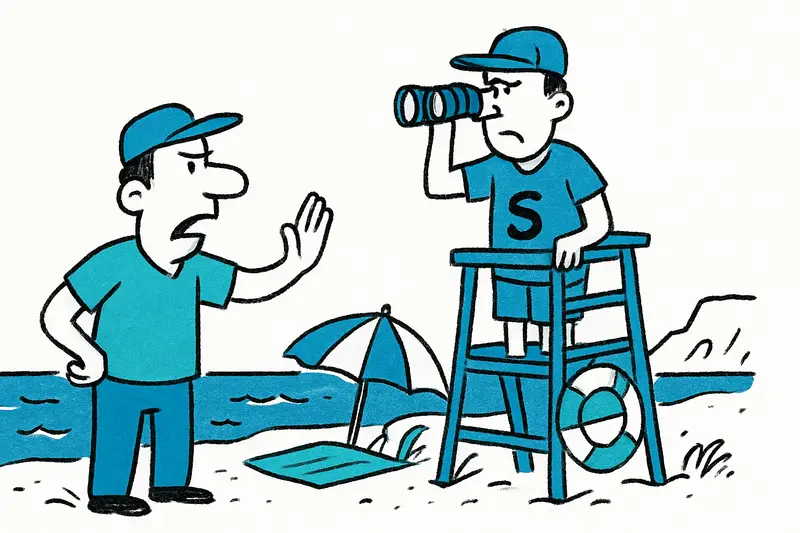
Who really protects Mallorca's coasts? A reality check after the viral beach video
A viral online video compared developed coasts in Turkey with Mallorca's beaches and praised the island. A good moment t...
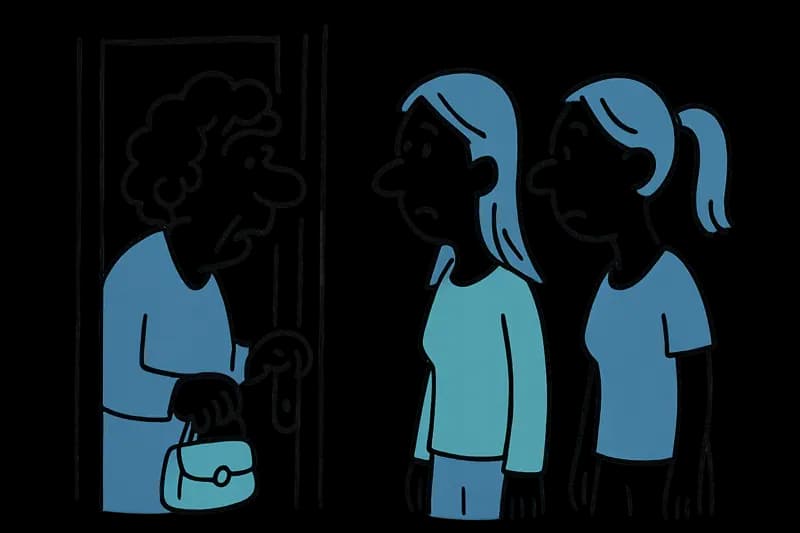
Arenal: How Two Strangers Stole Jewelry from a 91‑Year‑Old — and What We Should Learn
In El Arenal two young women managed to gain the trust of a 91‑year‑old and steal jewelry from her apartment. A family f...

Cool Night, Mild Days: Autumn Shows on Mallorca – Good for Land and People
The Tramuntana brought the coldest night in months: around 8 °C, 11–12 °C in the lowlands. Daytime temperatures rise aga...
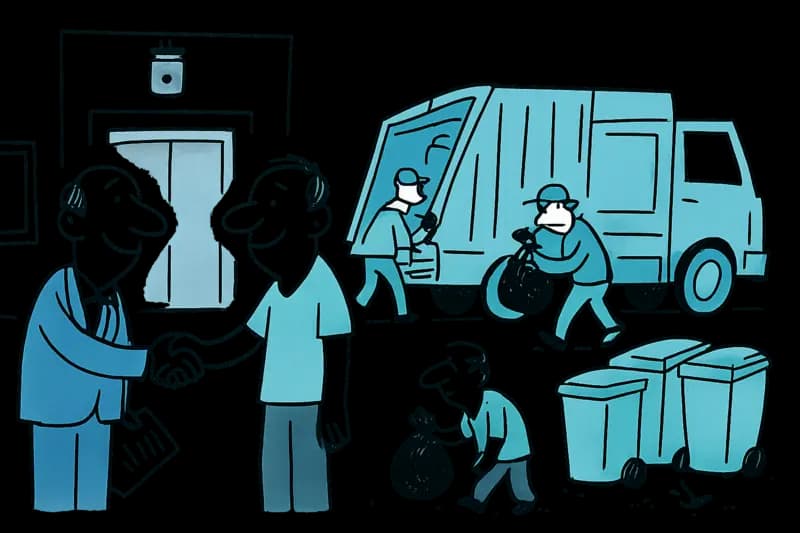
Llucmajor bets on a new waste contract – is it enough to end the waste crisis?
The municipality of Llucmajor has signed a €36.6 million contract with Urbaser for eight years. After summers of overflo...
103 km/h in Sant Miquel: Is Palma prepared against highly tuned e-scooters?
An e-scooter seized in Palma reached 103.2 km/h. What gaps do such cases reveal — and how can the city prevent pedestria...
More to explore
Discover more interesting content

Can Cap de Bou

Townhouse Lleo 72
