
Federer in Mallorca: Museum, Golf and a Mild Summer Afternoon
Roger Federer visited the newly redesigned section of the Rafa Nadal Museum on the island, spent time in the 'Big 3' exhibition and had played a round of golf in Santa Ponsa beforehand. A visit that gives the island a small, pleasant summer moment.
Federer in Mallorca: Museum, Golf and a Mild Summer Afternoon
On a hot morning, when temperatures in Palma touched the 30-degree mark again and the café terraces on Passeig Mallorca were already searching for early-morning shade, a familiar, calm visitor attracted attention. Roger Federer, who has been spending more time on the island since retiring from professional tennis, visited the newly revamped exhibition on the grounds of the Rafa Nadal Academy Opens Tennis Center in Brazil – a Mallorca Success Goes Overseas. The walk through the rooms felt less like a celebrity appearance and more like a visit from an old friend taking the time to look closely.
On the tour he was accompanied not only by academy staff but also by people closely connected to the house: Sebastián Nadal, Gustavo Marcaccio, who heads the academy's sporting direction, and Gonzalo Pérez, who is responsible for the museum. Federer lingered particularly long in one of the central areas—the section that brings together the careers of the three most influential players of recent decades. There are personal items on display provided by Rafa Nadal, Federer himself and Novak Djokovic, complemented by audio and video sequences that offer insight into the rivalry and friendship behind the headlines.
Federer seemed moved by the design: he took his time, looked closely and spoke appreciatively about the work that went into the redesign. Anyone who watched him that day in the academy courtyard noticed that this was not about publicity but about the experience. The museum is not a dusty display case but a space that makes memories tangible — you feel it when you walk through the sections alongside other visitors and hear the soft hum of the audio stations.
For Mallorca, such a visit is more than a pretty item in the gossip column. Encounters like this draw attention to an island that lives sport in many forms: tennis, golf, regattas and cycling are part of everyday life. When well-known athletes like Federer show visible interest in local projects, it creates new points of connection for visitors and strengthens the local scene. The topic will remain a talking point for a few days — on the square in front of the cathedral or along the promenade in Portixol — over an espresso, between market vendors and taxi drivers.
Another relaxed program highlight of the stay was a round of golf at Golf Santa Ponsa, which Federer played together with Rafa Nadal's Retreat in Porto Cristo: Tranquility, Sea and Family. Nadal, who has long spent regular time on the greens, is regarded locally as a keen golf enthusiast; Federer only discovered this passion more intensely after his career ended. Such shared hours on the course show how athletes' friendships extend beyond the playing field and how quiet, human moments arise on the island.
A small everyday observation on the side: while tourists strolled along the paths with sun hats and cameras, two older Mallorcans rode by on their creaky bikes, waved briefly, and one said half‑loudly: 'Ah, the two of them — still playing, are they?' Sometimes the casual remarks of neighbors are enough to make a prominent visit seem entirely normal.
Why is that good for Mallorca? Visitors like Federer shine a light on local projects that often work quietly: Rafa Nadal in Mallorca: One Year After the Farewell – Neighbor, Father, Catalyst, museum concepts that preserve sporting history, and sports facilities that connect work and tourism. A museum that mediates between emotional memorabilia and modern exhibition formats can keep visitors on the island longer and offer them a context that goes beyond beach and hotel.
A final outlook: visits like these could provide the impetus to expand cooperation between sports centers, schools and communities. More collaborations, joint events or smaller encounters — for example open days for local children — would help to consolidate the positive effects on site. For Mallorca, that would mean not just a few lines in the papers, but concrete opportunities for youth development and cultural education.
At the end of the day, as the afternoon heat slowly eased and the palms on Passeig Mallorca rustled softly in the warm light, there remained the feeling of having witnessed something nice: an athlete visiting again a place on his island where tennis history is kept alive — and, incidentally, a bit of normality, the kind we appreciate here.
Frequently asked questions
What did Roger Federer do in Mallorca recently?
What is the Rafa Nadal Academy museum like after its redesign?
What’s on display at the Nadal–Federer–Djokovic space?
Did Federer play golf in Mallorca, and with whom?
How does Federer’s Mallorca visit reflect on the island’s sports scene?
What does the museum experience offer beyond traditional displays?
Could such visits lead to more collaboration in Mallorca?
Why do celebrity visits matter for Mallorca’s culture and sports?
Similar News
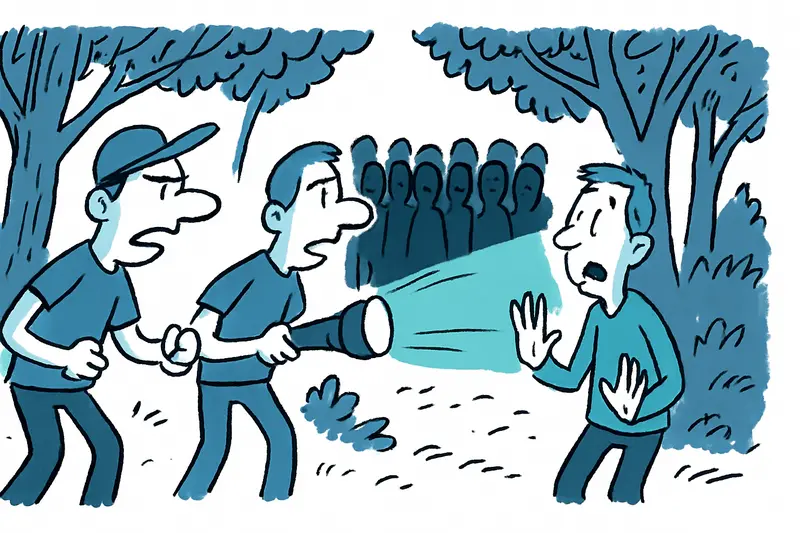
Fear in the Sa Teulera Forest: Youth Groups Harass Cruising Zone in Palma
In the wooded area of Sa Teulera, those affected report verbal attacks, property damage and intimidation. How safe is th...

Axa opens first health center in Palma: €3 million, 650 m² and more local access for La Vileta
In the heart of La Vileta, Axa has opened its first own health center in Mallorca. On around 650 square meters and with ...

30 Years of Nit de l'Art: What Palma's Art Night Really Shows — and Conceals
Nit de l'Art celebrated its thirtieth anniversary: full galleries, young visitors — and the quiet tensions between the a...

Hunt for Older Holidaymakers: Arrests after Suspected Pickpocketing in Port d'Andratx and Bellver
Five suspects were arrested after investigators accuse them of targeted pickpocketing of elderly tourists in Port d'Andr...
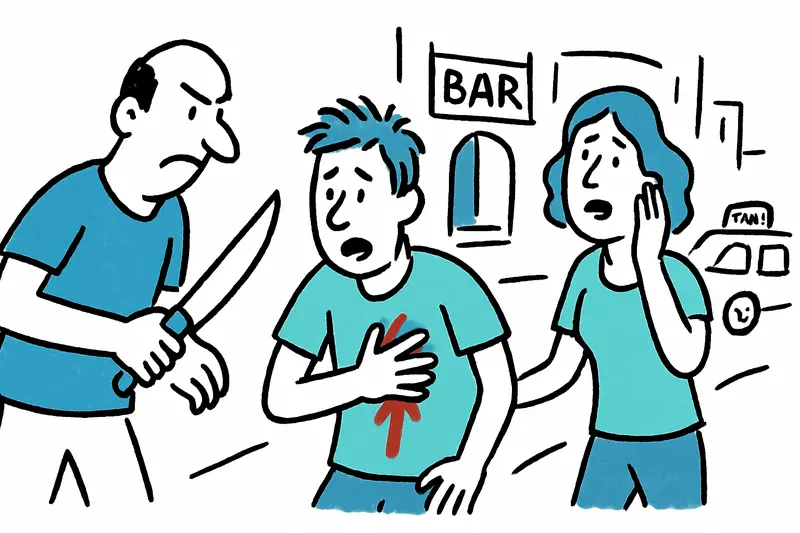
Knife stabbing in Magaluf: Why it must not remain an isolated incident
A 21-year-old tourist was stabbed in the chest in Magaluf and is in life-threatening condition. A reality check: what's ...
More to explore
Discover more interesting content

Can Cap de Bou

Townhouse Lleo 72
