
Knife stabbing in Magaluf: Why it must not remain an isolated incident
Knife stabbing in Magaluf: Why it must not remain an isolated incident
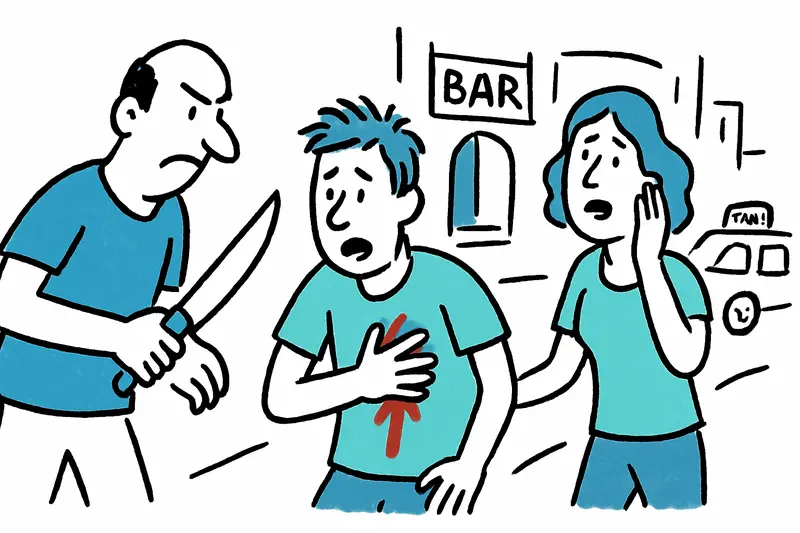
A 21-year-old tourist was stabbed in the chest in Magaluf and is in life-threatening condition. A reality check: what's missing and what needs to happen?
Knife stabbing in Magaluf: Why it must not remain an isolated incident
Key question
How safe are the streets around Punta Ballena at night really, if young people are being seriously injured in the middle of Avenida Pere Vaquer Ramis? This simple question hangs over an incident that pierced the curfew of illusions again in the early hours of Saturday morning: a 21-year-old tourist suffered a deep stab wound to the chest at around 05:15 and was subsequently taken to Son Espases hospital in critical condition.
Critical analysis
The known facts are scarce: SAMU 061 emergency services treated the injured person on site, Calvià Local Police and several units of the Guardia Civil responded, and so far no arrest has been made. Camera footage from shops on the avenue is said to be under review, as happened when a man was found hidden in a wardrobe with a knife Magaluf man found hidden in a wardrobe with a knife. That's the usual procedure. But routine must not obscure that such incidents could reinforce a pattern: punctual response capability meets structural gaps in nightlife management.
Stabbing weapons are unfortunately no longer a surprise in nightlife districts. That medical help was quickly on site is good — yet the victim's location, proximity to bars and the late hour raise questions: how large is the presence of foot patrols outside the high season, how are conflicts in venues peacefully resolved, what role do private security firms play and how well do they coordinate with police and emergency services? Similar violence has also occurred elsewhere on the island, for example a nighttime alcohol checkpoint in Alcudia that ended with a police officer seriously injured Alcudia: Knife attack during alcohol check - police officer seriously injured.
What is missing from the public discussion
Afterwards one often hears phrases like "an isolated incident" or "a tourist problem." Both cloud the issue because they shift responsibilities. There is a lack of open debate about preventive responsibility: from municipalities, nightlife operators, hotels, security companies and also event organizers. Also hardly visible are figures on the frequency of stabbing injuries in specific streets or at certain times — without transparency, measures cannot be planned in a targeted way. This is compounded by other episodes, such as an escalation at a bus stop that left a helper severely injured Magaluf escalation at a bus stop that left a helper injured.
A typical scene
Picture Avenida Pere Vaquer Ramis at five in the morning: neon signs of the bars flicker, trash bins stand half open, two tapas bar employees smoke a cigarette outside, a taxi beeps softly, and the first street sweepers begin their work. A group of young people works its way down the street, the clatter of suitcases mixed with strong perfume. It is precisely in this in-between space between partying and departure that dangerous encounters occur — brief, hectic and with few witnesses ready to intervene.
Concrete solutions
1) Visible, adaptable police presence: more foot patrols during core hours of 1–6 a.m., combined with plainclothes teams that can recognize escalating situations early. 2) Coordination between police, security firms and emergency services: common procedures, fixed contact points, short reporting and response paths. 3) Use CCTV networks sensibly: cameras are only as good as their review; clear rules on retention and quick access after incidents are needed. 4) Training for bar and doorman staff on de-escalation, verbal first response and safe handling of aggressive patrons. 5) Prevention campaigns in multiple languages for young tourist groups (serving limits, conflict avoidance, first-aid tips). 6) Low-threshold weekend offers: mobile medical posts or first-aid stations within walking distance of the avenue to bridge the time until clinical care. 7) Municipal measures: better lighting, clear pedestrian routes, waste disposal tactics and night traffic management to reduce hazards.
Why this is realistic
Many proposals do not require large investments but better coordination and planning. Foot patrols and plainclothes units can be adapted with duty rosters. Staff training is a one-time cost with a lasting effect. Cameras are often already in place; what is missing are binding protocols for rapid review in serious crimes.
Conclusion
The injured 21-year-old is symptomatic of a problem that Mallorca cannot simply ride out "with the season." Those who think only of pace, parties and revenue must also take responsibility for prevention. Magaluf cannot exist as a party location alone if people end up bleeding in the street. What is needed is a package of presence, prevention, nearby medical care and transparent data. Without such steps, similar cases are likely to recur — as other incidents on the island have shown, including a stabbing in Port d’Alcúdia that resulted in a 49-year-old being taken into custody Stabbing in Port d’Alcúdia: 49-year-old in custody — and that would be a costly price for the formula "nightlife first."
Frequently asked questions
How safe is Magaluf's nightlife area at night, and what real steps can improve safety?
What should I know about walking near Avenida Pere Vaquer Ramis at night in Magaluf?
How are security and emergency services coordinated in Magaluf’s nightlife zones?
What role do CCTV cameras play in Magaluf safety, and how can footage be reviewed quickly?
Are there plans for multilingual prevention campaigns targeting young tourists in Mallorca's Magaluf area?
Could mobile medical posts near nightlife districts help Magaluf during busy weekends?
What urban design changes could reduce hazards in Magaluf at night?
Why is it important for Magaluf to balance nightlife with prevention and data transparency?
Similar News

At Ten, Between Shoots and Schoolwork: Luna's World Tour from Palma
Luna is ten, 1.31 meters tall and already an in-demand child model. Between Ibiza, Paris, Lisbon and Berlin she commutes...

Who is to blame for Mallorca's space problems: the tourists or the system?
The debate is heated: tourists as scapegoats? Numbers on vacation rentals, hotel beds and population growth paint a comp...
Nighttime Threat at Playa de Palma: Minor Arrested with a Club
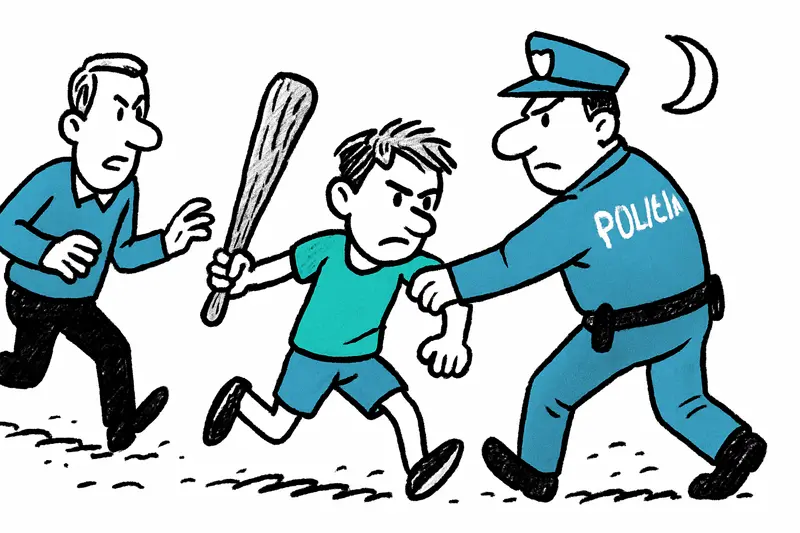
In the early hours, a youth at Playa de Palma allegedly threatened passers-by with a heavy club and smashed a car windsh...
Missing Housing on Mallorca: 17,000 Units Nobody Can Just Conjure Up
The island faces a structural imbalance: population is growing much faster than housing. Why 17,000 housing units are mi...
Rental Car Quotas in Majorca: One-Year Postponement or Chaos?
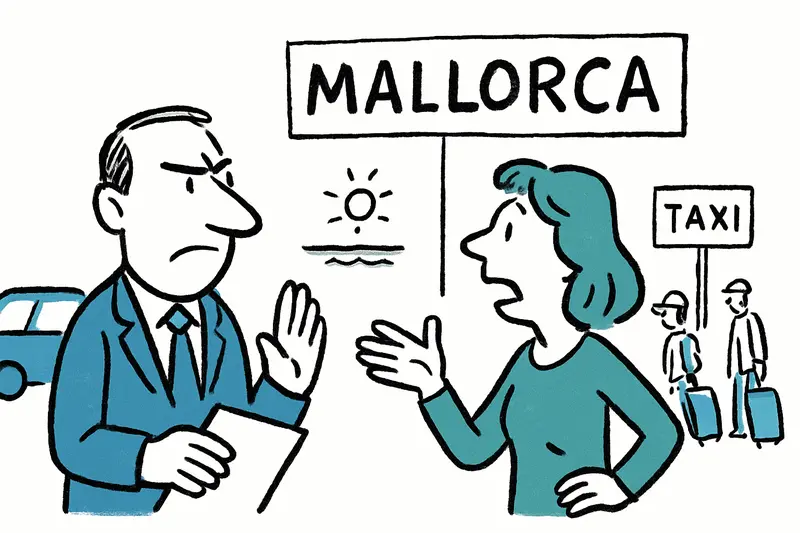
The association of car rental companies is calling to delay the planned restrictions by one year. The debate centers on ...
More to explore
Discover more interesting content

Can Cap de Bou

Townhouse Lleo 72
