
Fire at Muelle de las Golondrinas: What happened — and what needs to be done now
Fire at Muelle de las Golondrinas: What happened — and what needs to be done now
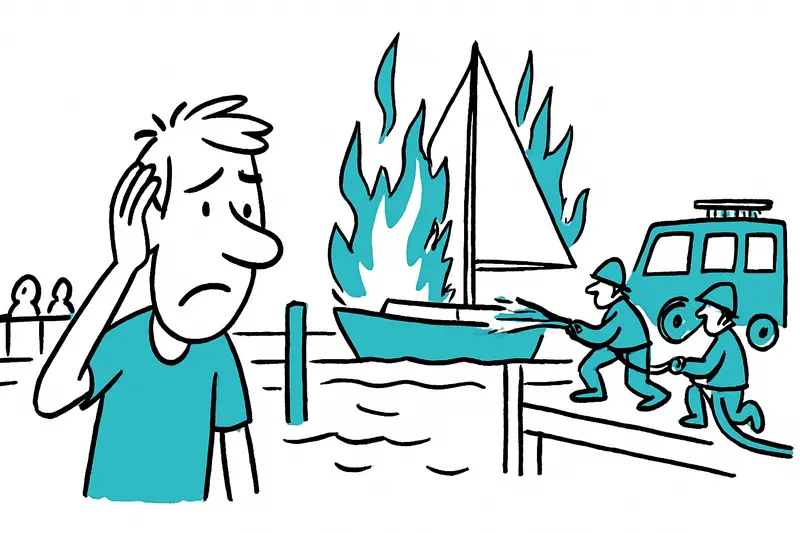
A sailboat in front of the Auditórium de Palma caught fire in the morning. A 40-year-old was injured in the leg. A reality check: why such fires are dangerous and which measures should now be considered.
Fire at Muelle de las Golondrinas: Why this accident should make us think
A 40-year-old man was injured this morning when a sailboat moored in front of the Auditórium de Palma burst into flames. The incident occurred at around 11:20 a.m. at the Muelle de las Golondrinas. Harbor police, local police and the fire brigade arrived quickly; the boat was moved away from the pier, the flames were extinguished and the area cordoned off. The cause is the subject of ongoing investigations.
Key question
How well are the harbor and boat owners prepared for such incidents — and what gaps does the case at Muelle de las Golondrinas reveal?
Critical analysis
At first glance the alarm chain worked: emergency call, rapid arrival of the response teams, first aid for the injured. But a boat burning on the stretch of Paseo Marítim in front of the Auditórium brings several problems together: narrow berths, neighboring boats in close proximity, fuel on board, electrical systems, gas cylinders and heavy urban traffic along the shore. Dragging the burning vessel away from the pier was the right move — but that action also assumes that sufficient salvage and towing capacity is immediately available, as other incidents such as the Boat in Flames off La Savina: A Wake-up Call for Recreational Boat Safety demonstrate. In many harbors these resources are limited.
Another point: the injury of a person on board. Whether it is a fracture or a serious burn has not yet been confirmed. Such injuries indicate that evacuation routes and safety behavior on board are not always practiced. On leisure and charter yachts one often finds people acting improvised — in a stressful situation this can have fatal consequences.
What's missing in public discourse
Reporting quickly focuses on the single event. Systemic questions remain unaddressed: How often are fire protection exercises carried out in Palma's harbors? How well are berths equipped with fire connections, extinguishers and foam agents? Who regularly inspects the installation of gas and electrical systems on leisure boats? Hardly discussed either are the roles of insurance coverage and liability issues — especially for neighboring berth holders and harbor infrastructure, a topic raised in recent coverage such as Fire near Porto Pi: What the blaze reveals about safety in Palma.
Everyday scene from Palma
The Passeig Marítim is usually already busy in the morning: delivery vans roll by, the smell of coffee from the cafés mixes with the salty wind, fishermen sort lines. Today sirens were added, a crowd of onlookers leaning over the balustrade and the sounds of fire pumps. These small scenes show how quickly an ordinary stretch of harbor becomes the site of a dramatic disruption; similar incidents have occurred along the same promenade, for example Fire on the Paseo Marítimo: A Blaze, Many Questions.
Concrete solutions
1) Regular fire safety checks: Authorities should conduct mandatory spot checks on sport and sailing yachts — focusing on electrics, gas installations and fuel storage. 2) Available salvage resources: Harbors must invest in tugs and mobile pumps that can quickly pull a burning, fuel-laden boat away from crowded piers. 3) Mandatory drills for berth holders: Short trainings or checklists upon arrival at the berth could standardize safety expectations. 4) Better labeling of hazardous materials on board: Visible markings help responders choose fast and safe extinguishing tactics. 5) Information campaigns: Short videos in marinas, notices at the pier and digital guidance in berth apps about what to do in case of fire. 6) Cooperation with insurers: Create incentives for regular maintenance — for example premium discounts for certified checks.
Conclusion
The fire at Muelle de las Golondrinas was a wake-up call, not an isolated fluke but an indication of weaknesses in everyday harbor safety. It was fortunate that the flames did not spread to a line of boats and that the injured person received first aid on site. Nevertheless: anyone who lives, works or vacations in Palma's bays and harbors has a legitimate interest in prevention, equipment and training being more than buzzwords — they must be regularly checked and improved.
Investigations into the cause of the fire are ongoing. Until clear results are available, boat owners and harbor operators remain responsible for reducing risk — with simple but consistent practice.
Frequently asked questions
What safety steps should Mallorca harbor authorities take after a boat fire?
How should boat owners in Mallorca prepare for fire emergencies on leisure yachts?
What does a boat fire at Palma's waterfront reveal about safety in Mallorca harbors?
What are Mallorca’s typical weather and sea conditions for swimming and boating safety?
When is it safer to visit Mallorca’s harbors for boating or waterfront activities?
What should visitors know about the Paseo Marítim in Palma when near the harbor area?
How can we improve safety labeling and information around Mallorca boats?
What role can insurers play in Mallorca harbor safety?
Similar News

When the Tap Only Runs Sometimes: Why Municipalities in the Balearic Islands Are Now Rationing Water
Deià, Valldemossa, Esporles, Sóller and several places on Menorca are scaling back water supply. Who is responsible, why...
Battle for the Ramp: Why Cala Gamba Needs More Than Enforcement
The Guardia Civil intervened in Cala Gamba — residents breathed a sigh of relief, but unease remains. Key question: Are ...

He dances at the Duty-Free: How an airport employee brings a smile to Palma
A Duty-Free employee at Palma Airport created a viral TikTok with dancing breaks. Why the scene is more than just an int...
Stolen Motorcycle in Palma: Fatal Crash in Coll d'en Rabassa Shortly After Theft
A motorcycle parked on Plaza Miquel Dolç in Son Gotleu was reportedly stolen in the early hours. Hours later two men cra...
When More Guests Mean Less: Mallorca's Restaurants at the Limit
Despite record visitor numbers, the revenues of many restaurants are shrinking. Why more visitors don't automatically me...
More to explore
Discover more interesting content

Boat Tour with BBQ along Es Trenc Beach
Private transfer from Mallorca Airport (PMI) to Pollensa
