
Ballermann in the Crosshairs: Police Stop Organized Pickpocket Gang
Ballermann in the Crosshairs: Police Stop Organized Pickpocket Gang
18 people arrested: An internationally organized group systematically exploited Playa de Palma, using distraction, violence and deceptive returns. How could this happen and what comes next?
Ballermann in the Crosshairs: Police Stop Organized Pickpocket Gang
18 arrests at Playa de Palma – a precisely operating group is believed to have targeted holidaymakers and sometimes used violence
Key question: How could an apparently meticulously organised gang use Playa de Palma as a hunting ground, although the area around the Schinkenstraße and the rows of sun loungers seems particularly monitored in summer?
The beach is in high season: loud Spanish, German holiday conversations, the clinking of ice cubes in plastic cups and the smell of sunscreen and fries. It was in this hustle and bustle, investigators say, that an internationally composed group set its focus. This pattern is detailed in New Tricks at Ballermann: How Pickpockets Exploit Playa de Palma — and What Actually Helps.
According to the police, 18 people were arrested. They are credited with about thirty completed and attempted crimes. The modus operandi: divided teams, distractions in the crowd, targeted grabs for handbags, smartphones and watches, as documented in Arrests at Playa de Palma: How safe are phones on the Schinkenstraße?, and – particularly insidious – later returning emptied wallets to deter reporting. In some cases the gang is said to have used physical violence or a knife during confrontations.
Critical analysis: The description sounds like an organization that had studied the tourist mass operations closely. Such groups exploit visitors' signals and routines: who leaves a sunbed unattended, who carries larger sums in their pockets, how quickly people shout for help. Authorities were apparently able to recognise patterns and strike now – but the question remains how long the gang had been active and how many cases went undetected.
What rarely appears in public debate: Responsibility does not rest solely with the police. Hotels, beach bars and event organisers have direct contact with guests and see irregularities early. A clear flow of information between operators, police and tourism associations would be helpful. Also little visible are the legal procedures after arrests: fast-track trials, deportations or decisions close to sentencing influence whether offenders are quickly back on the streets. This has been an issue in other cases, for example Pickpocketing in Porto Cristo: Arrests, Deportation — and What This Means for Mallorca.
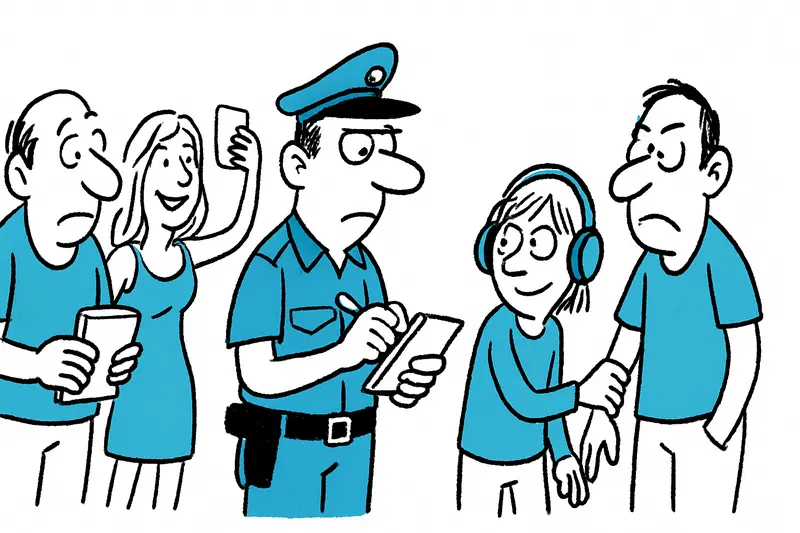
Everyday image Mallorca: Saturday noon at Playa de Palma. A German pensioner pays at the kiosk with banknotes, next to him a couple takes selfies, two teenagers share headphones. A plainclothes officer blends into the scene, watches, takes notes. That's how many operations begin – with observation, patience and timing. For holidaymakers it feels like a scene from a film. For those who were robbed, it is the memory of an afternoon that suddenly went wrong.
Missing points in the discourse: There is little debate about prevention at the everyday level. What about secure storage options on the beach? Are there mandatory trainings for service staff to recognise theft strategies? And how well do the reporting channels work for victims who speak German and feel disoriented at their holiday destination?
Concrete proposals:
1. Coordinated information campaign: Short information in German and English at beach accesses, in hotels and bars: typical tricks, how to behave, where to report quickly. Clear guidance reduces uncertainty.
2. Visible and plainclothes presence: More patrols on critical days and times, complemented by plainclothes officers who identify patterns before thefts occur.
3. Training for businesses: Short workshops for hotel and bar staff, shift managers and landlords to recognise distraction tactics and respond safely.
4. Reporting and support network: A multilingual hotline for tourists and quick digital reporting forms so incidents do not remain only in memory but immediately provide investigative leads.
5. Technical measures: Better cameras on promenades, secure lockers at central points and promotion of electronic payment methods so less cash is carried.
6. Cooperation at European level: When groups have an international character, exchange and comparison with police authorities in other EU countries help to recognise hotspots earlier. Similar arrests elsewhere on the island were reported in Pickpockets Stopped in Port d’Andratx – What the Case Reveals About Crime Tourism.
A realistic interim conclusion: The arrests show that police and investigators can react. But the background – the duration of activities, possible networks on the mainland or in other countries and the question of rapid legal procedures – remain open. It is not enough to arrest perpetrators; a system is needed that connects prevention, sustainable prosecution and victim protection.
Finally a clear appeal to everyone: holiday enjoyment and caution are not mutually exclusive. If you like a sunbed, sangria and beach enjoyment, follow simple rules: don't leave valuables openly visible, close your bags, stay calm and report losses immediately. Responsibility for safe beaches is shared by administration, the tourism industry, the police – and each person spending the summer at Playa de Palma.
Conclusion: The raid was necessary. Now it is about turning it into real changes so that the next summer Saturday at the beach does not become a matter of nerves.
Frequently asked questions
What should I know about theft risks on Mallorca beaches like Playa de Palma?
How can I securely store valuables when spending the day on Mallorca beaches?
What steps should I take if I think I was pickpocketed in Mallorca?
When is Mallorca busiest and how should I pack for the heat and crowds?
What role do hotels, bars, and event organizers play in preventing theft on Mallorca?
What practical measures could help reduce theft on Mallorca's promenades and beaches?
How do police investigations affect tourist safety on Mallorca?
What practical steps can visitors take to reduce theft risk while enjoying Mallorca’s beach life?
Similar News

Found dead in Son Gotleu: Dog walk ends fatally — what is missing in the investigation?
A 68-year-old man was found dead on Sunday morning on Tomás Rullàn street in Son Gotleu. According to his partner, he ha...
Theft at Playa de Palma: How safe are tourists at night?
At Playa de Palma street vendors snatched a gold chain worth around €5,000 from a tourist. The National Police intervene...
Smoking Weed at the Ballermann: Why a Ten-Euro Joint at Playa de Palma Ends in Handcuffs
A street purchase for 10 euros at Playa de Palma led to an arrest. Why a simple joint on holiday can have serious conseq...
Push-ups on the Sea: Why Prone Paddlesurf is Taking Off in Mallorca
Those who crawl belly-down across the water aren't signaling for an ambulance but curiosity: prone paddlesurf — long, na...

When Bouncers Run Amok: Emmy Russ and the Question of Safety at the Ballermann
An incident at the Megapark involving reality TV figure Emmy Russ raises broader questions about the oversight of securi...
More to explore
Discover more interesting content

Boat Tour with BBQ along Es Trenc Beach

Private transfer from Mallorca Airport (PMI) to Pollensa
