
Orange Alert: Why the Heat This Time Runs Deeper Than the Thermometer
Orange Alert: Why the Heat This Time Runs Deeper Than the Thermometer
AEMET has issued an orange alert for parts of Mallorca. Key question: Are local measures sufficient to protect older people, children and workers? A look at everyday life, gaps and concrete steps.
Orange Alert: Why the Heat This Time Runs Deeper Than the Thermometer
Key question: Are warnings and advice enough to protect those actually affected?
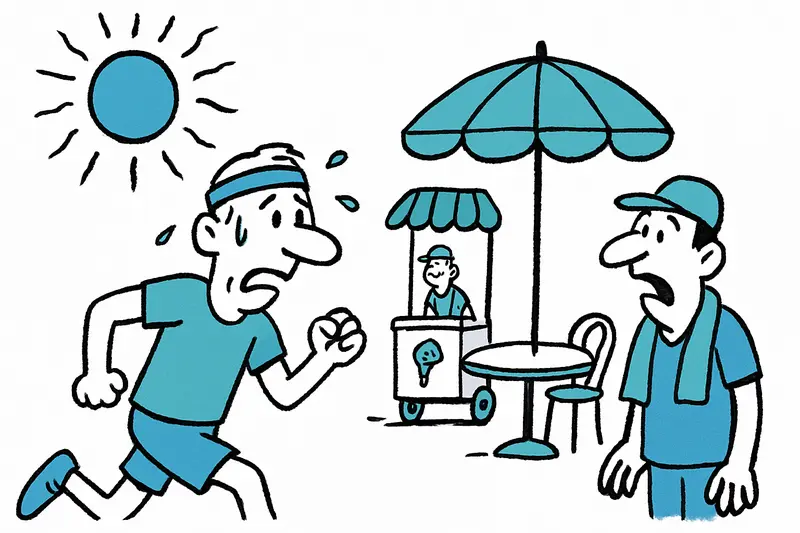
The national weather service AEMET has announced an orange alert for parts of Mallorca – temperatures are expected in places to approach 40 degrees, especially over the weekend, as explained in Orange Alert in Mallorca: What the AEMET Warning Means for the Island, Roads and Tourism. On the promenade in Palma the first early risers are already out before six: joggers with wet headbands, the terrace tables of a café are still empty, ice cream vans move slower than usual. This is not a pretty summer picture, this is the prelude to days when city and countryside must function differently, as reported in Mallorca on Alert: Highest Wildfire Warning Level and Scorching Heat – What to Do Now.
AEMET's sober statement is important, but it is not everything: the warning colors indicate that a risk exists. They do not say how emergency services, municipalities and employers should act concretely so that older people, the sick, children and workers do not pay the price. This is often where the debate stalls, as highlighted in Orange Alert in Mallorca: Are We Really Prepared?.
Critical analysis: On Mallorca the heat meets an island with wide variability. In the southwest – towns like Calvià, Andratx or parts of Llucmajor – narrow streets, holiday complexes and large exposed sunny areas combine. That increases heat stress at night; energy for air conditioning becomes scarcer, and those who cannot afford a unit continue to sweat. For seasonal workers, construction workers and market traders there are often no mandatory heat breaks.
What is missing from public debate: First, concrete rules for employers who have people working outdoors. Second, a system for short-term cooling or drinking stations in communities – especially in places with many older residents. Third, clear information about water supply: high temperatures mean higher consumption and thus strain on infrastructure, which is rarely discussed openly.
Everyday scene from Mallorca: This morning at the Mercat de l’Olivar you can see vendors with damp cloths around their necks, tourists queuing early in the shade. Garbage collection in Palma starts earlier, but in smaller municipalities it often still runs at the usual time – then it smells different later in the day, and residents complain. On the Carretera de Sóller traffic remains fluid, but bus passengers press against the windows because not all buses have functioning air conditioning.
Concrete solutions that would help now:
For municipalities: set up temporary drinking stations in central squares, open public buildings during the day as cool-accessible places to stay, use alert services by SMS specifically for older households. Retrofit shade at bus stops and keep public fountains filled – this costs little but delivers much.
For employers and event organizers: move working hours forward, introduce mandatory heat breaks, provide secure rest areas with water and shade. Small companies and landlords should also be informed on how to protect employees.
For healthcare: strengthen medical on-call services in affected communities, prioritize mobile care teams and update emergency plans for nursing homes. Prevention means: neighbors check whether older people have windows closed but still get air, and whether cooling devices are used correctly.
For everyone: avoid the midday sun, eat light, drink frequently, pay attention to UV and heat warnings when going to the beach. And: look out for older neighbors or construction workers – a short word can save a life.
It is not enough to simply read temperatures. On Mallorca everyday life determines who weathers the heat well and who is at risk. If the debate only swaps warning colors, we miss the chance to anchor pragmatic protection measures. A clear proposal: municipalities should immediately publish a simple checklist for heat-aware action and set up central water points in main squares. Employers must also be required to implement heat protection measures – including seasonal businesses.
Conclusion: The AEMET warning is the alarm clock. Now it's about who gets up and what they do. Shade plans, drinking points, work breaks and neighborhood vigilance – that's largely all it takes to make the coming days on the island less dangerous. If we fail to do this, the most vulnerable will ultimately pay the price.
Frequently asked questions
What does an orange heat alert mean for Mallorca and how should I respond?
What practical tips help visitors stay comfortable during a Mallorca heatwave?
Are there public cooling spaces or drinking stations in Mallorca during heat warnings?
What should employers and outdoor workers in Mallorca do to protect themselves during extreme heat?
Why are some Mallorca areas more at risk during heat waves?
How can neighbors help vulnerable people during Mallorca heat alerts?
Is it safe to visit Mallorca beaches during an orange heat alert?
What should municipalities publish during heat events to help residents?
Similar News

World Cup Trophy in Palma: Two Days Up Close
The World Cup trophy is coming to Palma at the end of October: two days on display at City Hall, and on 31 October photo...

End of October: Can you still swim in the sea in Mallorca?
The late-autumn sun still warms the air and the sea has retained its summer heat—many people don't pack away their swimw...
Years of abuse in Costa de la Calma – Neighbor calls Guardia Civil
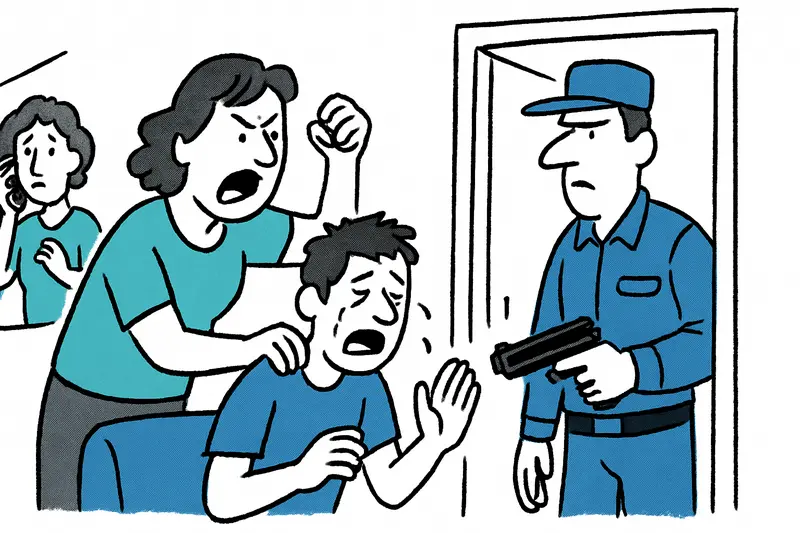
In a villa in Costa de la Calma a neighbor alerted the Guardia Civil: a 19-year-old woman reported years of violence by ...

Schauinsland Takes Over Management of the Morito in Cala Millor – a Reality Check
From March 2027 the German tour operator Schauinsland will manage the Morito hotel in Cala Millor. The Batle Erikson fam...
Still bathing season? Why Mallorca still invites a plunge into the sea at the end of October
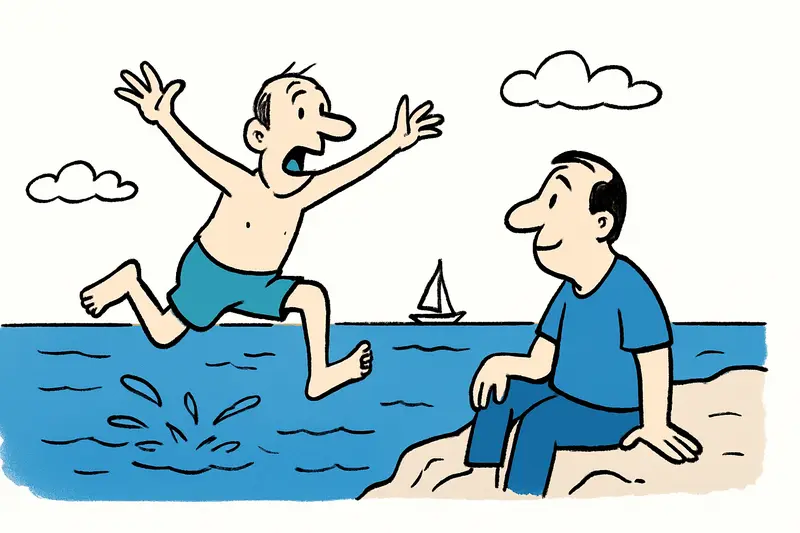
The air is mild, the beaches quieter — and the water surprisingly warm. We have summarized the current temperatures and ...
More to explore
Discover more interesting content

Can Cap de Bou

Townhouse Lleo 72
