
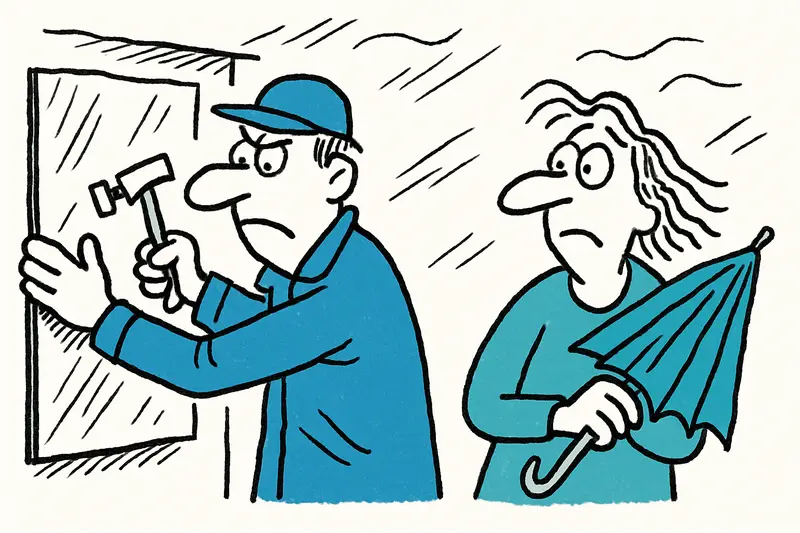
Orange Alert in Mallorca: What the AEMET Warning Means for the Island, Roads and Tourism
Heavy showers, thunderstorms and a noticeable drop in temperature: AEMET has issued an orange warning for large parts of Mallorca. What that practically means and how to prepare.
Orange alert: Why Mallorca suddenly turns wet and stormy on Thursday
The central question today is: Are we prepared for a short, intense change in the weather — or will a sudden downpour surprise us and disrupt roads and appointments? The national weather service AEMET has placed almost the entire island on Orange Alert: Torrential Rains — Is Mallorca Prepared?, with only the far south remaining yellow for now. That means more than a rainy walk: in some areas significant amounts of water and strong winds can occur in a short time.
What to expect exactly
Meteorologically speaking, short‑term extreme rainfall and thunderstorms are the main concerns, as discussed in Orange Alert: How Mallorca Is Preparing for a Wet Late Summer. In the Serra de Tramuntana and in the north, locally up to 40 liters per square meter are possible in a short time. For everyday life this means: sudden water on small roads, softened embankments, slippery hairpin bends on the MA-10 and reduced visibility due to showers and gusty winds. The warnings come into effect on Thursday at 10:00, for the east, inland and south until around 18:00, and for the Tramuntana and northern zones initially until midnight — an extension into the early hours of Friday is not excluded.
Noticeable temperature drop and mixed conditions
With the rain comes a marked drop in temperature: in the north and northeast it is expected to stay below 30 °C, while in the deep south temperatures of up to 34 °C are still possible. The result is that typical island phenomenon: twenty minutes of heavy rain, then humid heat again — and in between wet coffee cups on the Passeig or protective tarpaulins over tables on the Plaça Major in Palma.
What is already happening on the streets and in the ports
This morning in Porto de Sóller the sound of engines was less frequent, while mooring lines clattered on dinghies; fishermen secured their boats. Café owners covered tables, and some residents hurriedly placed sandbags in front of cellar doors — small, practical preparations that often matter more than official notices. At Son Sant Joan airport staff were already expecting delays: those flying tomorrow should contact their airline and allow extra time.
Critical aspects that are rarely discussed loudly
Looking at the immediate warning is important, but even more important is the question of the resilience of our infrastructure: How well are drainage systems in Palma and the coastal towns really prepared for these sudden downpours? How are steep roads in the Tramuntana protected against rockfalls and mudslides — and how quickly can municipalities warn neighboring towns if bridges or access roads are washed away? These systemic questions often play a secondary role in everyday life, but in such events they reveal where improvements are needed, as noted in Orange Alert in Mallorca: Are We Really Prepared?.
Concrete tips and pragmatic solutions
Short and concrete: pack an umbrella and a waterproof jacket, do not drive through standing water, do not leave pets unattended outside, secure terrace furniture. For drives into the Tramuntana: avoid small mountain roads and the MA-10 after heavy showers, as rockfall and mud are possible. Event organizers and landlords should actively inform guests; businesses at the harbour should check mooring lines and make life jackets available.
At the municipal level practical measures are needed today: temporary driving bans for vulnerable sections, quick clearing of clogged storm drains and targeted warnings via SMS or social media channels. In the long term better rainwater drainage, natural retention areas and reforestation on steep slopes help — measures that reduce storm damage while improving the landscape.
How the hour after the storm can be used
An optimistic, if pragmatic, conclusion: every severe weather event is also a trial run. The operations of local fire departments, police and civil protection show where procedures work quickly and where communication gaps exist. Municipalities could document experiences after the passage and set short‑term priorities — for example where drains should be cleaned or road closures better marked. For tourism operators this means: clear information checks before arrival, flexible cancellation conditions and emergency plans that actually work.
For Thursday then: keep an eye out, have a flashlight ready, stay calm — and show a little respect for the weather. A hot cocoa on the sofa always works, but if you have to go out, do so safely and prepared.
Frequently asked questions
What does an orange weather alert mean in Mallorca?
How long does heavy rain usually last during a storm in Mallorca?
Is it safe to drive in Mallorca during an orange rain warning?
Can flights be delayed at Palma de Mallorca Airport during storms?
What should I do with a terrace, balcony or outdoor furniture in Mallorca before heavy rain?
Is the Serra de Tramuntana safe during heavy rain in Mallorca?
What kind of temperatures can Mallorca have during rainy weather?
Should I still go to the beach in Mallorca when there is an orange alert?
Similar News
By Boat Instead of the Road: Palma's Water Bus — a Reality Check
The 'Bus Nàutic' launches in two stages — but questions remain over interim operations, fares and environmental requirem...
Several Days of Rain Approaching: How Well Is Mallorca Prepared?
Aemet says: rain from Thursday until at least Tuesday, especially heavy on Monday. Temperatures remain mild. A reality c...
Nervous Reaction at a Traffic Stop: Why Campos Is Not Just a Sniffer-Dog Problem
At a traffic stop in Campos a 37-year-old German was arrested with a bag full of drugs. Our reality check explains why s...
Cameras Against Illegal Dumping: Porto Cristo Monitors Problem Areas – a Reality Check
Manacor has installed four surveillance cameras at particularly problematic waste spots in Porto Cristo. A local check a...
Reality check: Palma's "white" torrent — harmless salt or neglected warning sign?
White crusts on the Torrent de Sa Riera are causing a stir. Emaya describes them as salt deposits. Our reality check: wh...
More to explore
Discover more interesting content

Can Cap de Bou

Townhouse Lleo 72
