
Orange Alert in Mallorca: Are We Really Prepared?
Heavy rain, lightning and crowded ramblas — the orange alert exposed weaknesses: drain cleaning, local alert chains and protection for market stalls are now needed.
Orange Alert in Mallorca: Are We Really Prepared?
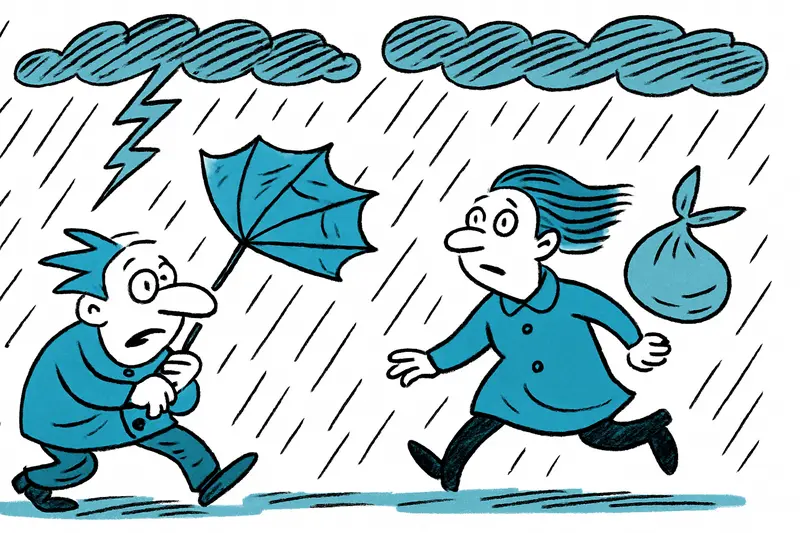
On Saturday morning the Atlantic low transformed the island within hours. On the Passeig Mallorca people pressed under café awnings, listened to the distant roll of thunder and watched gusts of wind turn plastic bags into little kites. In several municipalities Aemet raised the warning level to Orange Alert: Heavy Rain and Thunderstorms Mainly Affect Northern Mallorca — places affected included Llucmajor, Sineu, Inca, Pollença and Manacor. The images of wet wheeled suitcases at Son Sant Joan airport and of parked cars driving around large puddles linger. Key question: Are our towns, roads and services sufficient if such storms occur at shorter intervals?
What the afternoon showed
In Manacor lightning and thunder lasted for hours. In rural areas the sides of the roads filled faster than pedestrians could react. The typical sound of rain on wet cobblestones mixed with the metallic rattling of streetlights. The warning was only downgraded to yellow around 8:00 pm — a relief for many, but no reason for complacency.
What is rarely discussed
Public debate tends to focus on flight delays and the annoyed face of the tourist in a soaked T‑shirt. Three topics often remain in the shadows:
Drainage and ramblas: Historic ramblas and gutters are lifelines in heavy rain. Leaves, construction debris and carelessly discarded rubbish quickly turn them into trip hazards. Only when water presses against manhole covers do many realize something is wrong — and then it is often too late, as shown in Orange alert in Mallorca: Why the rain exposes our weaknesses.
Communication with at‑risk groups: Older people, seasonal workers and those without smartphones cannot access weather apps. Aemet issues warnings, but the message does not always reach those who need it most.
Small businesses and tourism: Market stalls, fishermen in the harbor and bars with outdoor terraces often have no plan B. Revenue is lost, goods are damaged, people stand in the rain. This is not only annoying, it can threaten livelihoods.
Concrete, short-term measures
The solution is not only meteorological. Many points can be addressed organizationally — quickly and at manageable cost:
Regular cleaning of ramblas and gutters: A coordinated maintenance plan before autumn and winter significantly reduces flood risks. The habit of driving through districts a few weeks before the rainy season to remove deposits costs little but is effective.
Local alert chains: Telephone chains, notices in municipal offices, town loudspeakers or close cooperation with neighborhood associations reach people without digital access. Volunteers who regularly check whether those most affected have been informed could make life easier.
Temporary protective measures for market stalls and harbors: Robust covers, raised platforms, waterproof storage for fishing gear and clear operating rules for operators reduce damage. Simple checklists help traders secure what matters in five minutes.
Traffic management during heavy rain: Clear signs on access roads, temporary speed reductions and deployments by road maintenance crews prevent aquaplaning and reduce accidents. Mobile signs or sirens could quickly mark critical sections, as reported in Thunderstorms over Mallorca: Streets Flooded, Parks Closed — Are We Prepared?.
Better prepared: a local plan
It is not enough to name the problems. Municipalities should set priorities: Who reinvests in drainage infrastructure? Where will volunteers be trained? How can the tourism sector quickly support market vendors and boat operators? Small local measures often have a big effect when there is coordinated cooperation: town halls, road maintenance teams, neighborhood associations and tourism must practice communication and action plans — not only when the alarm sounds.
Everyday life and one last piece of advice
For most Mallorcans Saturday was irritating rather than catastrophic. Temperatures were a moderate 20–21 °C. On Sunday the weather is expected to calm; the west may see sunshine again, and Sóller could still experience an aftershock at midday. Aemet announced it would lift warnings in the evening, according to Severe weather alert in Mallorca: Are we prepared for the deluge?.
Practical advice for the next event: drive slowly, avoid puddles, secure market goods and bags — and, if necessary, drink the espresso standing under the awning. Slightly tongue‑in‑cheek: Better a wet Sunday with a good story than a preventable emergency.
The fact remains: extreme weather events will become more frequent. The question is not only whether they will come, but how we respond locally. With cleaner ramblas, functioning alert chains and pragmatic protective measures, an orange alert can be less dramatic — more like a wet Sunday afternoon you later laugh about over a dry coffee.
Frequently asked questions
What does an orange weather alert mean in Mallorca?
Is it safe to drive in Mallorca during heavy rain and thunderstorms?
What should I pack for a rainy day in Mallorca?
When is the weather usually more unstable in Mallorca?
Can storms in Mallorca cause flight delays at Son Sant Joan airport?
Why do ramblas and drains matter so much during storms in Mallorca?
What should small businesses in Mallorca do before a heavy rain warning?
What is the weather like in Mallorca after an orange alert ends?
Similar News
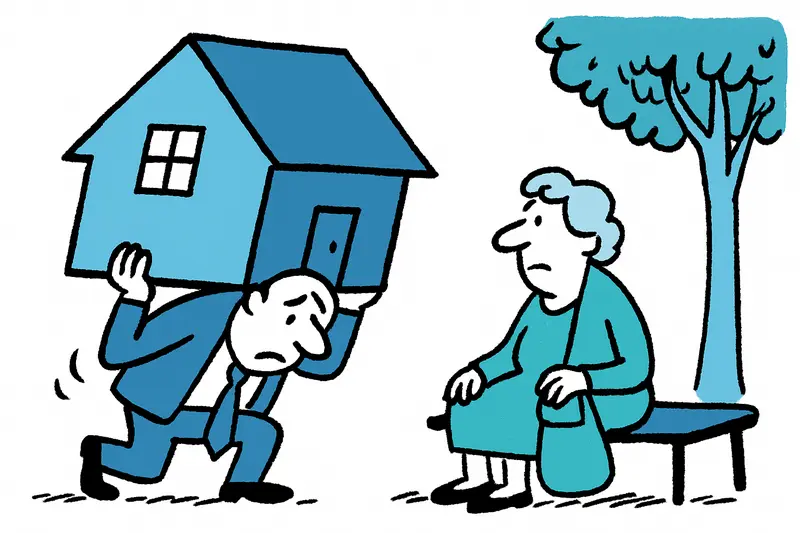
Who Bears the Burden? Mallorca Between Tenant Protection and Landlord Fears
Madrid's new housing decrees strengthen tenant rights — but on Mallorca concern is growing: will the law drive small lan...
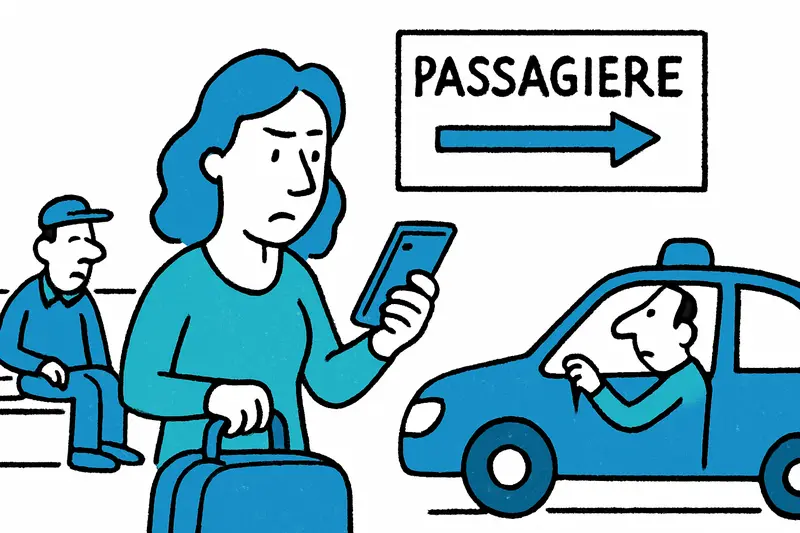
On the Edge: What Mallorca's Airport Loses If a Major Low-Cost Carrier Falters
The company that operates numerous connections from Palma to France and domestically is negotiating with creditors to re...
Ballermann star Frenzy wins 'Villa of Temptation' and donates prize money to Mallorca animal rescue
Ballermann singer Frenzy won the German reality show and donated the remaining prize money — around €14,080 — to an anim...
70 Trees Removed on Avenida Jaume I: What's Happening in Santa Ponça?
On October 1 the final redevelopment phase on Avenida Jaume I in Santa Ponça begins: 70 trees and old streetlights are t...

When a Boundary Is Crossed: The Case of Isi Glück and the Responsibility of Venue Operators
The singer from Mallorca reports an assault backstage in Halle. A clear guiding question, analysis of missing protective...
More to explore
Discover more interesting content

Can Cap de Bou

Townhouse Lleo 72
