
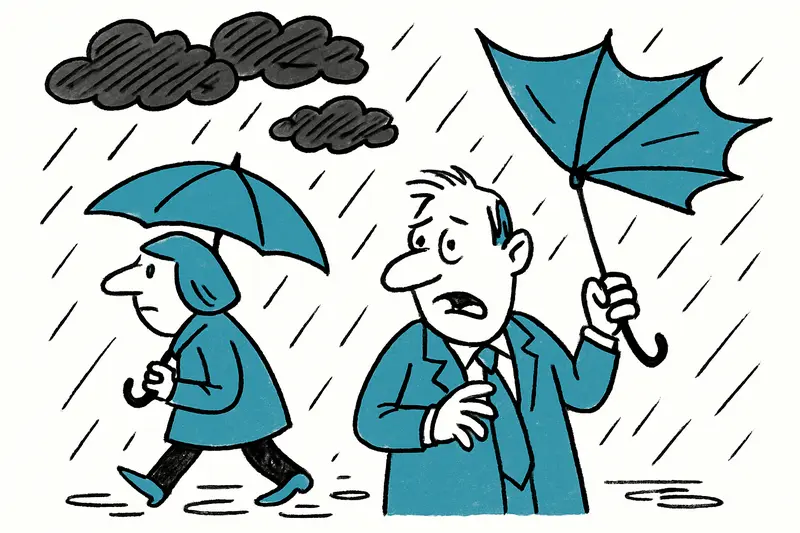
Orange alert in Mallorca: Why the rain exposes our weaknesses
The island is under an orange alert — and with the first prolonged rain, weaknesses become visible: clogged drains, erosion in the Tramuntana and a lack of coordination. Small immediate measures and medium-term infrastructure plans could prevent a lot of damage.
Orange alert in Mallorca: Why the rain exposes our weaknesses
The morning in Palma sounded like an old tin roof: raindrops on tiles, the rush of rain against the shutters and the smell of wet asphalt drifting through the alleys. AEMET has declared an orange alert — island‑wide, AEMET has issued an orange alert for all of Mallorca. That raises a simple but urgent question:
Key question: What if the water comes — and are we prepared?
The forecast is clear: showers and thunderstorms are moving in, locally with heavy downpours, lightning and the risk of flooding, as detailed in Orange Alert in Mallorca: Are We Really Prepared?. Particularly vulnerable appear to be low‑lying access roads around Palma's port, some stretches to Platja de Muro and the switchbacks in the Serra de Tramuntana. A bus driver I met at a stop put it dryly: "With so much water we have to go slower, otherwise it ends in a catastrophe."
The downsides that are hardly talked about
When it pours, the obvious consequences are quickly visible — stranded cars, closed side streets, wet café terraces. What is less often discussed are the structural weaknesses that only become apparent during prolonged rain: clogged gutters and drains in towns, erosion on steep hiking trails in the Tramuntana, and the heavy sealing of new building sites that can no longer absorb water. Even agricultural margins can turn into mud avalanches within minutes, blocking small roads with dirt and debris.
Another problem is the cascade of small disruptions: a car gets stuck in a hollow, the road is blocked, detours cause bus congestion, deliveries are delayed — and a local obstruction quickly becomes a larger logistical problem. The quality of communication between municipalities, road maintenance services and emergency responders often decides whether a rain shower is merely unpleasant or turns into an incident.
Concrete opportunities and pragmatic solutions
Many measures do not require a large budget, but organization and planning. In the short term, regular cleaning of drains before expected rainy periods helps, keeping sandbags at known weak points and mobile barriers at key access points. Clear traffic management, reduced speed limits on the Tramuntana switchbacks and rapid information for commuters relieve the system.
In the medium term, we need to seriously review drainage infrastructure: are pipes outdated or too small? Where are retention areas missing in the surrounding countryside? For new buildings, rainwater retention should be mandatory rather than an optional extra. Training for small municipalities on crisis coordination and simple checklists for road maintenance crews could significantly improve response times.
Practical advice for locals and visitors
- Do not park in hollows or known flood areas; an hour of heavy rain can be enough to trap a car.
- Secure terrace furniture and flower pots; gusts of wind can otherwise turn the streetscape into an obstacle course.
- Drive carefully, avoid deep puddles and follow traffic warnings; aquaplaning can happen quickly.
- Keep a torch, medication and basic supplies ready in case of power outages; patience is a valuable asset in such hours.
- Bring children and pets indoors during thunderstorms and check local reports before departures — municipalities often send SMS alerts or post updates on social channels.
What this means for daily life and tourism
For hotels, small shops and restaurants, such a weather test is a stress test: supply chains break, outdoor terraces remain empty, excursions are cancelled. At the same time, rain also has positive sides: drinking water reservoirs refill and the island's vegetation gets much‑needed moisture. In the short term, flexibility helps — shop in the morning, postpone trips and keep an eye on ferry connections and flights.
Outlook and call to action
Models indicate that the strongest warnings may ease in the coming days, echoing analysis in Orange Alert: How Mallorca Is Preparing for a Wet Late Summer, but rain breaks are no free pass. Mild temperatures around 24–26 degrees and a possible window of sunshine offer hope, but the real task remains: we must use the next hours to check drains, activate mobile protections and strengthen communication with residents. Every cleared drain and every filled sandbag reduces the risk of greater damage.
Rain is essential — but it also tests our systems. Those who stay alert and take small precautionary steps help ensure that Mallorca in heavy rain is not just wet, but manageable.
Note: Current warnings come from AEMET; in urgent cases the island's emergency numbers apply. And if you plan a café visit today: the corner café on Passeig Mallorca is surprisingly cosy in the rain — with the sound of drops on the pavement and the scent of freshly brewed coffee.
Frequently asked questions
What does an orange weather alert mean in Mallorca?
Is it safe to drive in Mallorca during heavy rain?
Which parts of Mallorca are most at risk of flooding in a storm?
What should I do in Mallorca before a heavy rainstorm?
Can hiking trails in the Serra de Tramuntana become dangerous after rain?
Does heavy rain in Mallorca affect flights and ferry connections?
Where can I go in Palma on a rainy day?
Why does Mallorca still need rain if it causes problems?
Similar News
Suspicion of Date-Rape Drugs in Palma: Trial, Questions and the Gaps in the Protection System
A German man is on trial at the Palma court accused of rape; prosecutors suspect date-rape drugs were involved. What is ...
Raid at Playa de Palma: When Homemade Bars Become a Problem
Between September 11 and 13 police at Playa de Palma seized 18 speakers and issued 24 charges. Who draws the line betwee...
Burglary in Llubí: Arrest Raises Questions About Security in Mallorca's Countryside
A 21-year-old was arrested in connection with a burglary in Llubí. Cash, jewelry and electronics worth around €40,000 we...
Lost Trust: How a Phone Theft in Peguera Exposes Police Responsibilities
A 90-year-old holidaymaker is robbed in broad daylight in Peguera. His passage through police stations and taxi receipts...
When many security screeners suddenly fell ill: Who protects the passenger?
Short-notice sick reports at a large security company led to long queues at Cologne/Bonn airport. A reality check for tr...
More to explore
Discover more interesting content

Can Cap de Bou

Townhouse Lleo 72
