
Robbery in La Soledat: An 88-year-old injured — what is missing in the debate?
Robbery in La Soledat: An 88-year-old injured — what is missing in the debate?
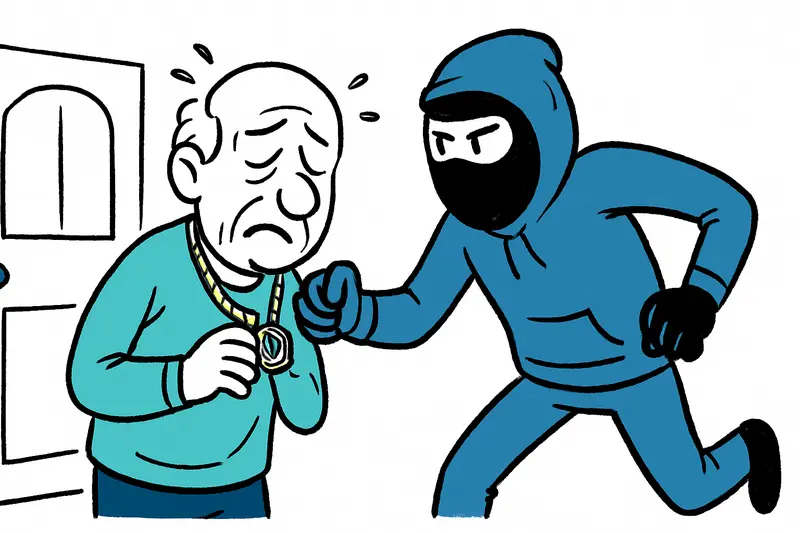
In La Soledat three unknown people broke in during the night and ripped a chain from an 88-year-old man's neck. A reality check: how well protected are our older residents?
Robbery in La Soledat: An 88-year-old injured — what is missing in the debate?
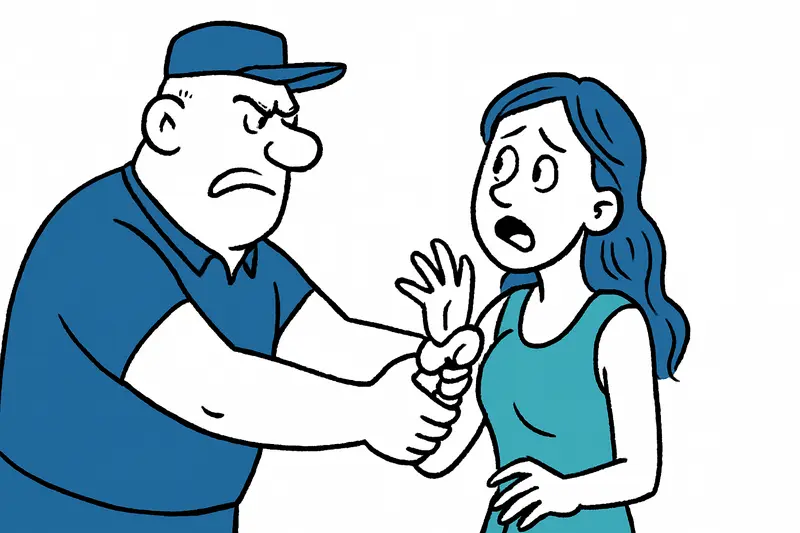
In the early morning hours at around 4:20 a.m., an 88-year-old man in La Soledat was the victim of a violent attack in his apartment. Three so far unknown young men entered the building after forcing the door lock. They wore gloves and apparently had socks pulled over their hands to avoid leaving traces. A gold chain was ripped from the senior's neck, and he suffered several bruises; similar necklace snatchings recently led to a 21-year-old's detention over a series of necklace robberies. Parts of the incident were recorded by the building's surveillance cameras; the footage is with the family and has been handed over to investigators of the National Police, who have filed a report and are conducting the investigation.
Key question
Are older people in neighborhoods like La Soledat sufficiently protected — or are prevention and support too often neglected in the public debate?
Critical analysis
The case contains several typical elements: the crime occurred in the very early morning hours, the perpetrators took obvious precautions against leaving traces, and the victim was physically vulnerable. The facts suggest a targeted crime — not a simple night-time burglary, but an assault involving physical force. That surveillance cameras captured parts of the incident is bitterly ambivalent: on the one hand images assist investigations, on the other they do not show how the intruders gained entry or whether simple protective measures could have prevented the incident.
What is missing from the public debate
We quickly talk about perpetrators, headlines and wanted images — and less about prevention, everyday safety and the situation of isolated seniors. Hardly anyone asks whether there are advisory services for home security, whether older residents are regularly seen by neighbors, or whether landlords and municipalities invest enough in secure locks, stable door frames or basic intercoms. Nor is there enough attention to scams such as the fake technicians who swindled an 80-year-old in Palma. Also often overlooked is how loneliness and reduced mobility make people more vulnerable and how relatives or neighborhood systems could play a role — a risk illustrated by the case in Son Macià that raised questions about protecting older people.
A daily scene from Palma
Late summer light has not yet reached the rooftops, the external air-conditioning units hum softly, and garbage collectors and taxi drivers are the only ones out on the streets at this hour. In La Soledat some shutters only go up with the first coffee. Often it is the neighbor from the ground floor or the baker who gives the first sign of life during the day — if that signal is missing for a longer time, warning signs go unnoticed. These small observations tell more about social responsibility than any statistic.
Concrete solutions
For immediate protection and long-term prevention there are several practical steps citizens, communities and authorities can take: 1) Homes of older people should be checked for simple, effective security measures: sturdy cylinder locks, additional bolts, door viewers and motion lights. 2) Personal alarm devices or emergency buttons that work without an internet connection can save critical minutes. 3) Neighborhood networks — classic phone chains, WhatsApp groups or volunteer guardianships — reduce isolation and ensure prolonged absences are noticed. 4) Municipalities could offer targeted advisory services: free safety checks, multilingual information brochures and consultation hours at local social centers. 5) Increase police visibility during sensitive time windows and make prevention advisers more accessible: not as a substitute for personal responsibility, but as support. 6) Finally, insurers, landlords and property managers should be held more accountable when it comes to structural safety deficiencies.
Why this must not remain an isolated case
Such attacks breed fear — especially among older people who expect to be safe in their own homes. They echo other violent incidents like the Arenal ATM robbery of an elderly man. The immediate response must be to identify the perpetrators; the long-term response is preventive: strengthen social ties, promote simple safety technology and remove bureaucratic hurdles to quick help. Police investigations are important, but they do not replace the daily network of neighbors, families and municipal services.
Sharp conclusion
The question is not only who is behind this attack, but how we as a community can ensure that an 88-year-old neighbor is no longer an easy target. Concrete protective measures, visible prevention services and a little more attention from all of us would make a big difference — and that needs to be said louder than the morning headlines.
Frequently asked questions
What practical home security measures help protect older residents?
What steps can La Soledat residents take to protect elderly neighbors from break-ins?
What can Palma landlords do to improve building safety for seniors?
How can authorities in Palma boost prevention and safety for elderly residents?
How does loneliness affect safety for seniors, and what can communities do in Mallorca?
Are there warning signs of isolation or vulnerability that neighbors should watch for?
What security devices are recommended for homes of older people?
How should communities respond after an attack to protect other seniors in Mallorca?
Similar News
Found dead in Son Gotleu: Dog walk ends fatally — what is missing in the investigation?
A 68-year-old man was found dead on Sunday morning on Tomás Rullàn street in Son Gotleu. According to his partner, he ha...
Theft at Playa de Palma: How safe are tourists at night?
At Playa de Palma street vendors snatched a gold chain worth around €5,000 from a tourist. The National Police intervene...
Smoking Weed at the Ballermann: Why a Ten-Euro Joint at Playa de Palma Ends in Handcuffs
A street purchase for 10 euros at Playa de Palma led to an arrest. Why a simple joint on holiday can have serious conseq...

Push-ups on the Sea: Why Prone Paddlesurf is Taking Off in Mallorca
Those who crawl belly-down across the water aren't signaling for an ambulance but curiosity: prone paddlesurf — long, na...
When Bouncers Run Amok: Emmy Russ and the Question of Safety at the Ballermann
An incident at the Megapark involving reality TV figure Emmy Russ raises broader questions about the oversight of securi...
More to explore
Discover more interesting content

Boat Tour with BBQ along Es Trenc Beach

Private transfer from Mallorca Airport (PMI) to Pollensa
