
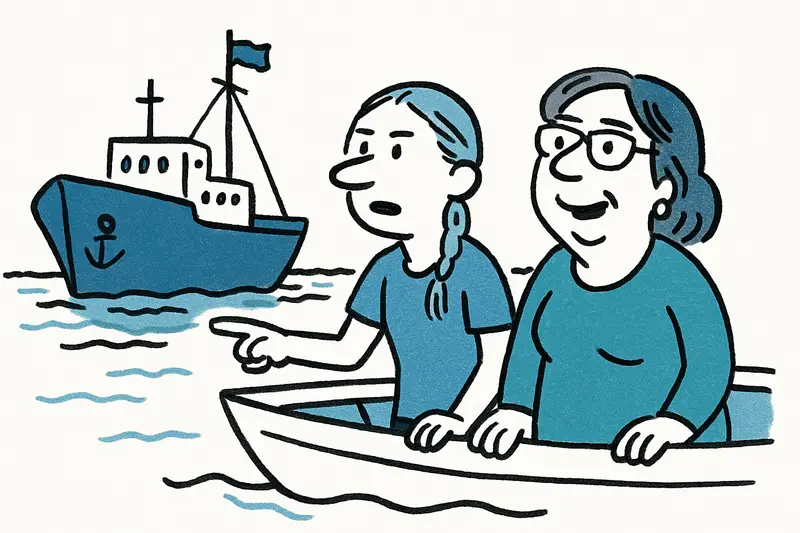
Gaza aid flotilla pauses at Pollença: stopover, yacht with a past and open questions
A flotilla of around 300 activists docked off Port de Pollença in the morning – repairs, high-profile figures like Greta Thunberg on board and a yacht with a questionable history raise many questions on Mallorca.
What does the stop at Pollença mean for Mallorca?
On Monday morning there was lively activity on the pier of Port de Pollença: the cry of seagulls, the distant whine of a boat engine and people holding coffee looking out to sea. Several small vessels of the so-called Gaza aid flotilla briefly dropped anchor here — according to participants, to carry out emergency repairs, as reported by La flotilla de ayuda a Gaza hace escala frente a Pollença: parada, yate con pasado y preguntas abiertas. What at first glance seemed like a harmless pause raises deeper questions for the island: What responsibilities do the port and authorities have? What risks arise for local safety and the tourist image? And how does Mallorca react when international politics suddenly stops on its doorstep?
Who was on board — and why is that causing debate?
According to the organizers, the convoys consist of around twenty boats with about 300 people from over 40 countries. Names like Greta Thunberg and the former mayor of Barcelona, Ada Colau, ensure the action receives media attention; local coverage included features such as With Drones over the Mediterranean: Palma's Voices from the Gaza Flotilla. From Palma, a spokeswoman for the Podemos party and two other Mallorcan activists were named. The prominence increases the symbolic weight of the action — and turns the short stop here into a politically charged event that is being discussed in cafés and along the harbor promenade.
The yacht “Alma” — a ship with a past
Things became especially tense when the yacht “Alma” was spotted. The vessel, which now bears a different name after a change of ownership and refit, has in the past been linked to a drug case. Such details fuel local mistrust: a ship that was previously mentioned in investigations as part of a humanitarian mission — for many that doesn’t add up. For port operators and authorities this means increased due diligence, but also the need to make legally sound decisions rather than act on rumours.
Weather, routes and the logistics of the relief voyage
The flotilla set off from Barcelona but had to turn back at times due to stormy conditions. Five boats did in fact return, while the rest stayed partly near Menorca or made a stop at Pollença. For Mallorca this means short-term coordination of berths, agreements with the coastguard and, if necessary, medical or technical support. Such stopovers show how vulnerable maritime relief actions are — and how heavily local infrastructures can be burdened when international groups make unexpected landings.
Less illuminated aspects
Away from the headlines some questions often remain unanswered: Who bears responsibility for inspections and repair work when boats anchor in Spanish territorial waters? How are security risks assessed, for example in the event of a confrontation at sea? And what legal hurdles exist for transporting medical or logistical goods further toward the Middle East? In Mallorca people rarely talk about the bureaucratic and humanitarian logistics chains required to ensure that aid is not only symbolic but actually reaches those in need.
How do the port, authorities and population react?
On site the mood remained calm on Monday. Here and there manoeuvres were observed, residents and tourists discussed in street cafés, photos were taken and shared in groups. But behind the composure there is also unease: hotel operators fear image problems, local activists hope for solidarity, while more conservative voices call for transparency and control. Authorities find themselves between two duties: protecting public order and respecting international humanitarian concerns.
Concrete opportunities and approaches for Mallorca
Instead of falling into polarization, the situation also offers opportunities for the island: Mallorca’s ports could develop clear protocols for politically charged stopovers — checklists for security checks, mandatory disclosure of ownership and vessel history, and coordinated information for residents and tourism businesses. Another opportunity lies in a mediating role: cooperation with established NGOs and clearly regulated, transparent relief transports would increase the likelihood that aid actually reaches where it is needed.
Outlook
Whether the flotilla will continue its journey toward the Mediterranean and the Middle East remains open. For Mallorca it is important to be prepared: enable humane aid, ensure safety and inform the island community. A port is more than a berth — it is a place where international politics, local life and human needs collide. The challenge for Pollença and the island now is to manage that collision in a way that is responsible, transparent and safe.
Frequently asked questions
Why did the Gaza aid flotilla stop near Pollença in Mallorca?
What happens when politically sensitive boats stop in a Mallorca port?
Is it normal for boats to anchor off Port de Pollença for repairs?
Why is the yacht Alma being discussed in Mallorca?
How does bad weather affect sea journeys through the Balearic Islands?
What do locals in Pollença think about the flotilla stop?
Do Mallorca ports need special rules for unexpected ship stopovers?
Can a stop in Mallorca help a humanitarian flotilla continue its journey?
Similar News
Palma, Palma de Mallorca, Palma‑Mallorca: What is it really about?
The debate over the city's name is more than grammar: it concerns identity, law and branding policy. A sober reality che...
Warning to Bathers: Nipping Fish in Cala Major and Other Coves — a Reality Check
In Cala Major and several beaches around Mallorca, bathers report painful “nips”. Who are the animals, why are they gett...

Rental Car Theft in El Arenal: What This Incident Reveals About Our Gaps
A teenager steals a running rental car in El Arenal, flees on foot, climbs over walls and is caught by the Guardia Civil...

Red Rope in Palma's Library: What Helps Against Selfie Tourism — and What's Missing
Palma's city library cordoned off an area with a red rope to keep selfie tourism away from reading and working activitie...
Fort San Carlos: Museum, Harbor Dispute — and a Conflict That Demands Answers
The military museum at Fort San Carlos sits right on Palma's harbor, with unexpectedly quiet rooms filled with cannons a...
More to explore
Discover more interesting content

Can Cap de Bou

Townhouse Lleo 72
