
Flu on the rise: How robust is Mallorca's healthcare network?
Flu on the rise: How robust is Mallorca's healthcare network?
Flu incidence in the Balearic Islands has doubled within a week. Hospitals have managed so far — but the reasons for the relief are fragile. A reality check on what's missing and what should happen immediately.
Flu on the rise: How robust is Mallorca's healthcare network?
Key question: Are current reserves sufficient to get through a Christmas peak?
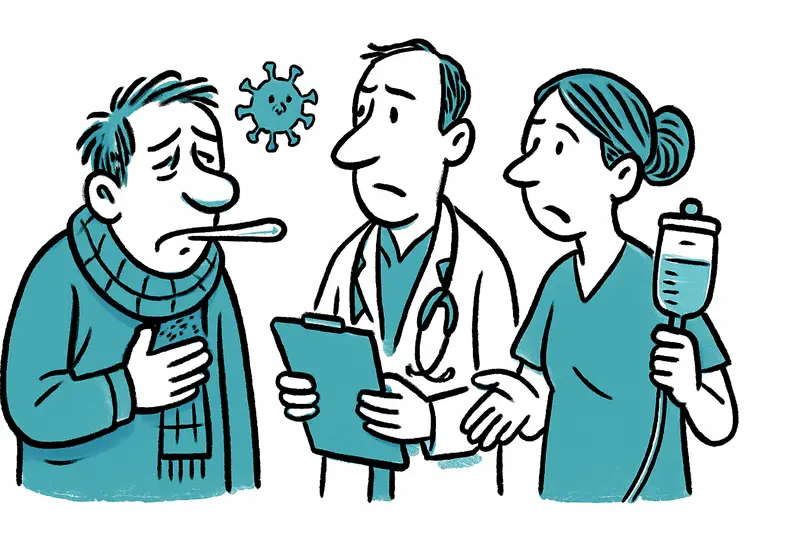
The numbers are tight and speak clearly: the Balearic Health Authority currently reports an incidence of 65 cases per 100,000 inhabitants — a doubling within a week, and the Balearic Islands have even classified the current flu wave as an epidemic. On Mallorca this is leading to noticeable changes: beds are being kept free, procedures reorganized, and unrest is growing in the health centers. The central question is not only that cases are rising, but how sustainably the system can respond to this increase.
In the short term the situation has been eased in a way: at Son Espases University Hospital in Palma the recent case numbers could be absorbed because many scheduled operations had been postponed. The result: suddenly available beds. Sounds pragmatic — and it works as long as you are willing to push procedures back. One problem remains: the relief relies on a measure (postponed surgeries) that is neither sustainable nor desirable, a response similar to that described in Balearic clinics prepare — is that enough for the flu wave?.
What is often missing from the public debate is the question of the endurance of such measures. Doctors and nurses can perform more in the short term; in the long run this leads to exhaustion. Rest breaks, replacement staff and clear prioritization rules are often missing from the discussions. Also hardly discussed is how well primary healthcare — the Centros de Salud in Palma, Inca or Manacor — is prepared for sudden peaks in patient inflow. The official recommendation to go to health centers first with flu symptoms instead of the emergency department is correct. But is practice accessibility sufficient, are telemedicine services expanded, and is there enough staff during morning and evening hours?
A scene easily observed these days: on Calle Aragón, not far from Son Espases, people set out in the mornings with scarves and thermometers, the parks are emptier, cafés hear more conversations about fevers than about prices. At the Centro de Salud on Avenida de Alemania a nurse quickly sets up an additional table while the cold Tramuntana whistles over the palms outside — small, visible signs of a wave that is seeping into daily life.
Critical analysis: the current relief through postponed surgeries is a tactical gain, but not a strategic one. If the epidemiological peak, as expected by the health authority, occurs around Christmas, then that collides with an already strained staffing ratio in hospitals and care homes. Holiday and vacation periods and public holidays further exacerbate the situation: finding cover is harder and laboratory capacities slower.
What is missing from the discourse are concrete, operationalizable steps. It's not enough to say 'go to the health center first'. It must specify: which addresses, which phone numbers, which opening times? For risk groups there need to be clear pathways to rapid antiviral treatment and, if necessary, prioritized vaccination offers, an issue highlighted in Alarming Vaccination Rate in the Balearic Islands: Why Only 27% of Hospital Staff Are Protected — and What Could Really Help. For care homes, visitor rules and testing concepts must be communicated quickly, transparently and in a practical way.
Concrete, local and pragmatic solutions that can be implemented immediately: 1) Short-term expansion of telephone and telemedicine capacities in the Centros de Salud to reduce the need for on-site assessments. 2) Mobile vaccination and advisory points at weekly markets (Mercat de l'Olivar, Inca) and in front of large supermarkets on weekends to increase accessibility. 3) Additional shifts for staff with binding rest periods and financial incentives for freelancers to take on duties at short notice. 4) Clear priority lists for surgeries so that scheduled procedures are postponed fairly and transparently — not improvised. 5) A rapid information campaign in multiple languages about symptoms, when to go to the health center, when to seek emergency care, and how home isolation can work.
Additionally, a transparent, daily-updated report on occupancy numbers in clinics would be helpful — not as alarmism, but as a tool for coordinating bodies and general practitioners. Such data allows patient flows to be steered and routine visits to be reduced.
A look ahead: Christmas is approaching — families are planning gatherings, restaurants are booked, markets are open. A flu wave at this time can burden not only hospitals but also carers, day-care centers and the hospitality industry. Therefore authorities and health institutions should now not only react, but also communicate and coordinate. It is possible to mitigate the wave; but that requires more than free beds from postponed surgeries.
Conclusion: the doubling of the incidence is a wake-up call. The current relief of clinics relies on an emergency solution. If Mallorca wants to avoid a short-term strain turning into a longer crisis, it needs transparent information, rapidly available alternative options in primary care, targeted protective measures for risk groups and clear shift planning for staff. Otherwise the price of relief threatens to rise in the short term in the form of abandoned surgeries and in the medium term in the form of exhaustion among healthcare personnel — and we will all feel that, on the street, in practices and at the Christmas table at home.
Frequently asked questions
How bad is the flu wave in Mallorca right now?
Should I go to a health centre in Mallorca or to the emergency room if I have flu symptoms?
Are hospitals in Mallorca still able to handle new flu patients?
Why are some operations being postponed in Mallorca during the flu wave?
How prepared are health centres in Palma, Inca and Manacor for more flu cases?
What should I do in Mallorca if I have flu and belong to a risk group?
How could Mallorca improve flu care without relying on hospitals?
Will the flu wave in Mallorca get worse around Christmas?
Similar News
Injured captain, big plans: Germania Mallorca before the away match in Consell
The newly founded FC Germania Mallorca travels to Consell on Saturday. Captain Bastian Müller is out injured, but coach ...
Palma, Palma de Mallorca, Palma‑Mallorca: What is it really about?
The debate over the city's name is more than grammar: it concerns identity, law and branding policy. A sober reality che...
Warning to Bathers: Nipping Fish in Cala Major and Other Coves — a Reality Check
In Cala Major and several beaches around Mallorca, bathers report painful “nips”. Who are the animals, why are they gett...

Rental Car Theft in El Arenal: What This Incident Reveals About Our Gaps
A teenager steals a running rental car in El Arenal, flees on foot, climbs over walls and is caught by the Guardia Civil...
Red Rope in Palma's Library: What Helps Against Selfie Tourism — and What's Missing
Palma's city library cordoned off an area with a red rope to keep selfie tourism away from reading and working activitie...
More to explore
Discover more interesting content

Can Cap de Bou

Townhouse Lleo 72
