
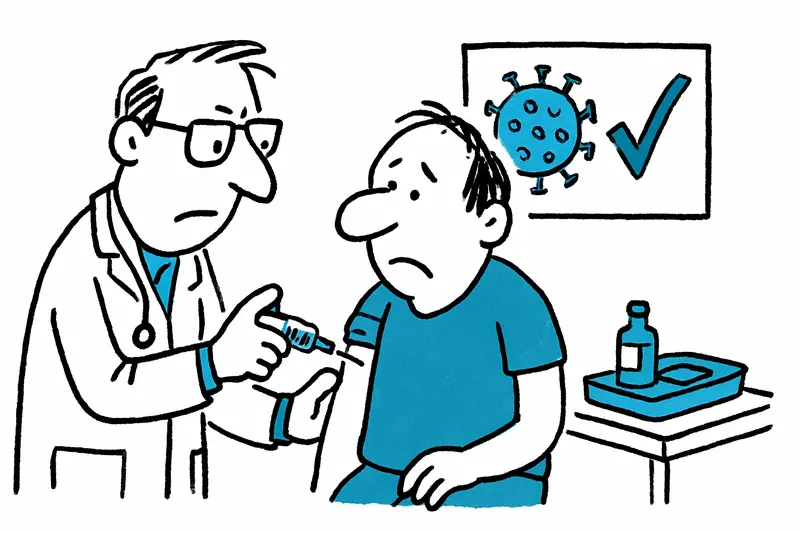
Alarming Vaccination Rate in the Balearic Islands: Why Only 27% of Hospital Staff Are Protected — and What Could Really Help
In a Palma hospital corridor, the clinking of cups sounds louder than the conversation about flu protection. Only around 27% of healthcare staff in the Balearic Islands were vaccinated. An analysis of why that is and concrete, locally actionable proposals.
Too few vaccinated — and right in the middle of everyday patient care
Last week, a corridor in a hospital in Palma: cups clink, a server calls out orders, and a usual crowd of night-shift and early-morning staff gathers in front of the cafeteria. Work schedules are argued about more loudly than vaccinations. Still, the sober figures behind the small bustle are alarming: just over a quarter of medical personnel in the Balearic Islands accepted the offer of a flu vaccine — about 27% (local report of 27% vaccination coverage among Balearic healthcare staff).
This is not just statistics. Anyone who works daily with elderly, frail and multimorbid people knows: a case of influenza can disrupt the entire chain of care — staff absences, transfers, more stress in already short shifts. The World Health Organization recommends a vaccination rate of 75% in healthcare settings. We are far below that here. The central question therefore is: why is it not possible to reach the people who work at the heart of the hospital?
More than lack of time: the invisible barriers
The answers in conversations are often familiar: fear of side effects, the assessment that influenza is harmless, or simply: "I didn't have time." These reasons are real, but they only scratch the surface. Deeper lie structural and communicative problems.
Information is missing where it matters most. Colleagues ask concrete questions: which vaccine is being used? How effective is it this season? What side effects are likely? When such questions disappear into flyers or are answered once at a vaccination stand in the corridor, the answers do not reliably reach shift workers.
There is also a kind of vaccine fatigue after years of intensive COVID-19 vaccination campaigns. Influenza is sometimes mixed up with the pandemic, or the perceived urgency fades. Last but not least, leadership plays a role: if ward managers and chief physicians do not clearly lead by example, the incentive to vaccinate remains diffuse. "If I see that my team leaders take the vaccine seriously, I'd be more likely to join," a nurse on the ward told me — a sentence that says a lot about the power of role models.
What has been tried so far — small impulses with big potential
The health authority responded with a package of measures: mobile teams, extended vaccination hours, a small breakfast for those vaccinated, or additional training hours for the department with the highest rate (coverage of calls for practical measures during the flu wave). Such measures initially seem modest. Yet it is precisely these small things that decide much in daily hospital life. A warm breakfast after the night shift is attention, not paternalism.
The combination of recognition and pragmatic access addresses the reality on the wards: people are easier to reach when the offer really fits their rhythm and does not only exist on paper.
Blind spots in the debate — organizational and cultural levers
Organizational details are discussed less: vaccination times that are formally long do little good if they occur during daytime hours that late-shift staff can never use. Mobile vaccination teams, vaccinating directly on the wards or short info sessions at the start of a shift are measures that sustainably lower barriers.
Transparent, unit-based figures are often missing. If departments can see how they compare — anonymized, without punitive pressure — this can create healthy competition and pride in their nursing performance. A small dashboard in the ward area, updated weekly, can move more than flyers.
Concrete, locally implementable proposals
1) Make leadership visible: chief physicians, head nurses and team leaders get vaccinated publicly — honestly and calmly, as role models without staging.
2) Improve access: mobile vaccination teams, vaccinating on the ward, flexible vaccination times for late shifts and night duties. A vaccination cart that goes through the wards in the morning and at night is not a luxury, but a daily convenience.
3) Build trust: short, fact-based info sessions with doctors and hygiene specialists before shifts, preferably with coffee — honest answers to real concerns instead of soothing phrases.
4) Smart incentives: no big prizes, but everyday recognition: breakfast after the night shift, extra continuing education credits, small team celebrations or a bonus for particularly committed shifts.
5) Transparency without pressure: publish unit-based rates, anonymized and positively reinforced — praise often works better than threats.
What is at stake — a pragmatic appeal
It's not just about percentages on paper. Every infection that is not prevented burdens patients, nurses and doctors — especially in peak season, when the island already suffers from staff shortages and full hospitals (report on clinics mobilising up to 215 additional beds). A tidy ward room, the scent of orange blossoms in the courtyard and a quiet night for the night shift are not trivial: they are the result of a system that focuses on prevention.
Bans or moral appeals alone will achieve little. Anyone who wants to change something in the Balearic Islands must act where everyday life is decided — in front of the cafeteria, in the duty roster and in the small gesture of a team leader who goes first. The challenge is solvable if we take the barriers seriously and act pragmatically — with common sense, respect and a little Mallorcan down-to-earth closeness.
Frequently asked questions
Why is flu vaccination coverage so low among hospital staff in Mallorca and the Balearic Islands?
What can hospitals in Mallorca do to improve flu vaccination rates among staff?
Is the flu vaccine recommended for healthcare workers in Mallorca?
Does flu vaccination matter for patients in Mallorca hospitals?
What flu vaccination support measures are used in Mallorca hospitals?
Why does leadership matter for flu vaccination in Mallorca hospitals?
How can hospital staff in Palma fit flu vaccination into a busy shift?
Is there a vaccine fatigue problem among healthcare workers in Mallorca?
Similar News
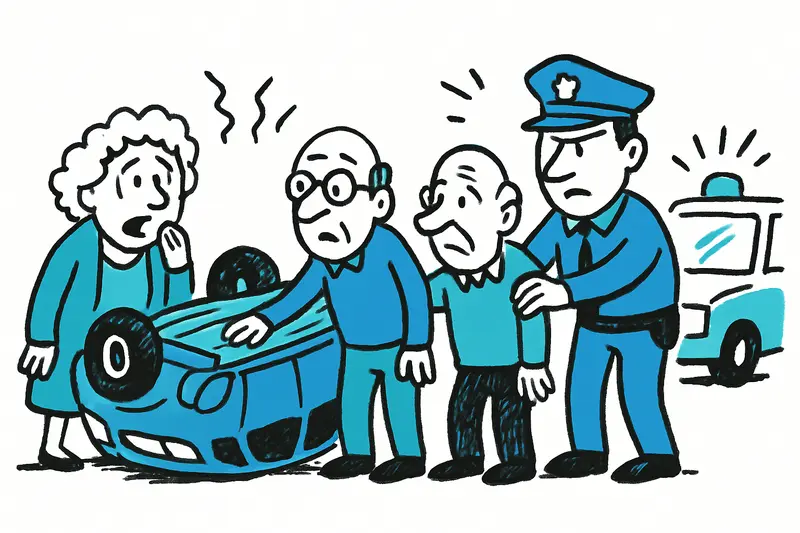
Palma: Car Flips Over – Seniors Rescued, Questions About Traffic Safety
On a major arterial road in Palma, a car flipped onto its roof after a heavy collision. An elderly couple was freed and ...
Calvià opts for style over rowdiness – a plan for year-round, diversified tourism
Calvià wants to shake off Ballermann images by 2030 and boost hiking, sports, culture and gastronomy tourism. Hotels, th...
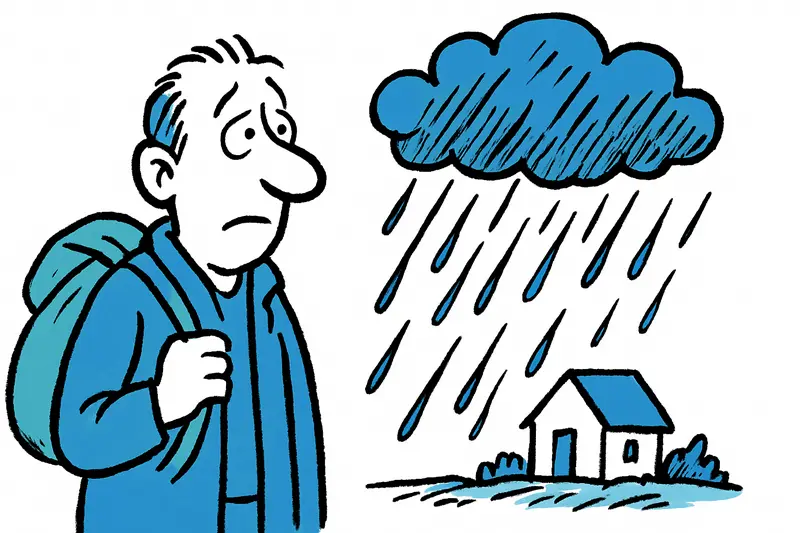
Autumn Is Coming — When the Rain System Will Cool Mallorca and What We Must Learn
AEMET warns: the chance of rain increases on Thursday and Friday — temperatures will fall. An opportunity to prepare our...
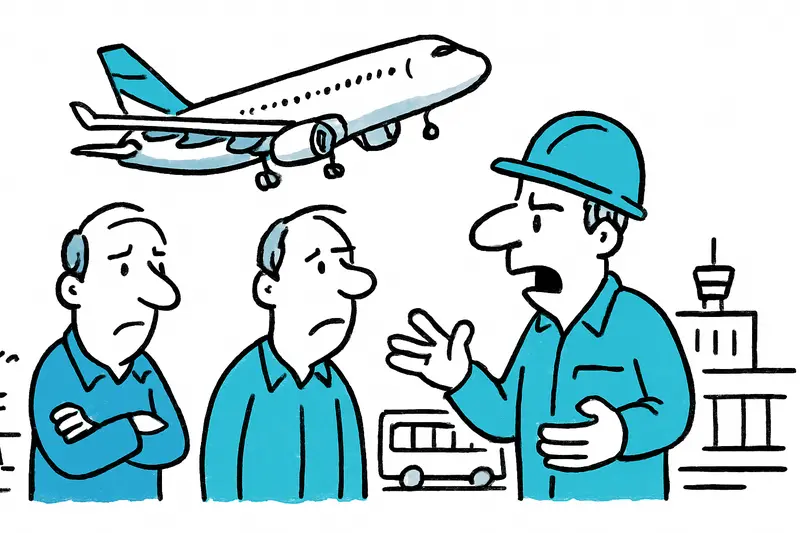
Eurowings in Palma: Expansion, Approval Chaos and the Reality Test for Island Planning
Eurowings is significantly increasing its presence in Palma and is even considering technical maintenance on site. The i...

A.M.Y.: Between Finca, Cornfield and Schoolyard – a 13-Year-Old Who Gets Mallorca Humming
With sunglasses, a rock guitar and the courage to sing over nagging voices: Amy Horber, 13, lives with her family on Mal...
More to explore
Discover more interesting content

Can Cap de Bou

Townhouse Lleo 72
