

For whom is Palma changing? A critical look at the city's metamorphosis
For whom is Palma changing? A critical look at the city's metamorphosis
In a few decades Palma has shifted from a quiet provincial center to an international luxury address. Who benefits — and who gets left behind? An assessment with practical proposals drawn from the everyday life of the city.
For whom is Palma changing? A critical look at the city's metamorphosis
Guiding question: Is Palma being built today for the people who live here, or for those who are only passing through?
It is a clear Saturday afternoon in March: cups clink on the terrace of a café near the Carrer de la Mar, a tour bus drops off new guests at the Passeig Mallorca, and the shutters of a long-standing cobbler's shop bear the marks of a long winter's sleep. Such everyday scenes tell more about Palma than official figures — they show how space and daily life are shifting against each other.
The transformation of the city is visible in a few key figures: within a decade the number of hotels in the city center has increased significantly, small luxury accommodations in historic buildings ("boutique hotels") have become more numerous, and overall bed capacity has grown strongly (see Palma in Transition: Where Incomes Soar — and Who Still Owns the City).
My critical analysis focuses on three interlinked levels: space, social structure, and administration. Space: the densification of historic neighborhoods and the conversion of apartments into short-term rentals reduce the availability of housing for long-term residents. Streets like the Rambla, the Born or the Vía Roma feel the effects: more foot traffic, less neighborhood; residents at least report noise and delivery chaos.
Social: when hotels and holiday apartments move into historic fabric, the social mix changes. Crafts businesses and traditional shops often give way to gastronomic concepts with high turnover per square meter. This has consequences for local supply and everyday life: no workshop around the corner anymore, but cafés and designer shops instead. This dynamic is documented in Who Owns Palma? When Luxury Quietly Repaints the Working-Class Neighborhoods.
Administration: liberalizations have attracted investment, but governance often lags behind. Who ensures that listed buildings are not only nicely renovated but also used sustainably? How are revenues from tourist taxes reinvested into transport, schools and affordable housing? Clear priorities are missing here.
What is often neglected in public debate is fine-tuning. People argue about "more" or "less" tourism, but rarely about how tourism can be sensibly integrated into the daily rhythm of the city. Also underrepresented are the voices of small entrepreneurs, cleaning staff and long-term tenants — the people who keep Palma running.
Concrete proposals that could have an effect in Palma's everyday life:
- Limit conversions of housing: A moratorium or binding quotas to preserve long-term apartments in sensitive neighborhoods could provide tangible relief on the ground.
- Socially tied new-build funding: When historic buildings are renovated, conditions requiring a share of price-controlled apartments could be part of the approval.
- Reinvest tourist levies: A clear percentage of the city's tourism revenues should flow into transport, waste disposal, urban maintenance and social projects — visible and accountable to citizens.
- Stricter usage rules for old buildings: Monument preservation must not be just a facade. Usage conditions and controls must prevent historic fabric from being optimized solely for short-term profit.
- Support for local businesses: Rent subsidies, tax relief or discounted retail space for craftsmen and basic services would help preserve diversity in the urban landscape.
A small example from practice: In Pere Garau a baker told me how her lease is slowly running out and how several neighbors have since rented out their homes to holiday guests — not out of joy, but because rents rose. Such micro-stories are not isolated; they add up to a tangible change in everyday life.
There is no simple return to the "old" Palma, nor is that the goal. Rather, it is about balance: a city can welcome visitors and at the same time remain a home. That requires honest political decisions that weigh short-term economic interests against long-term quality of life.
Conclusion: Palma has gained a lot in recent decades — international attention, investment, a more diverse offer. At the same time, the city risks losing the people who animate it daily. Anyone who wants to make Palma future-proof must now set rules that protect housing, transparently reinvest revenues and support small businesses. Otherwise, the beautiful old town will eventually remain only a stage set for guests.
Frequently asked questions
Why is Palma changing so quickly?
How does tourism affect daily life in Palma?
Is Palma becoming less affordable for local residents?
What happens to traditional shops in Palma’s old town?
What is happening in Pere Garau, Palma?
What could help protect housing in Palma?
How should Mallorca’s tourist taxes be used in Palma?
Can Palma welcome visitors and still remain a city for locals?
Similar News

Rental Car Theft in El Arenal: What This Incident Reveals About Our Gaps
A teenager steals a running rental car in El Arenal, flees on foot, climbs over walls and is caught by the Guardia Civil...
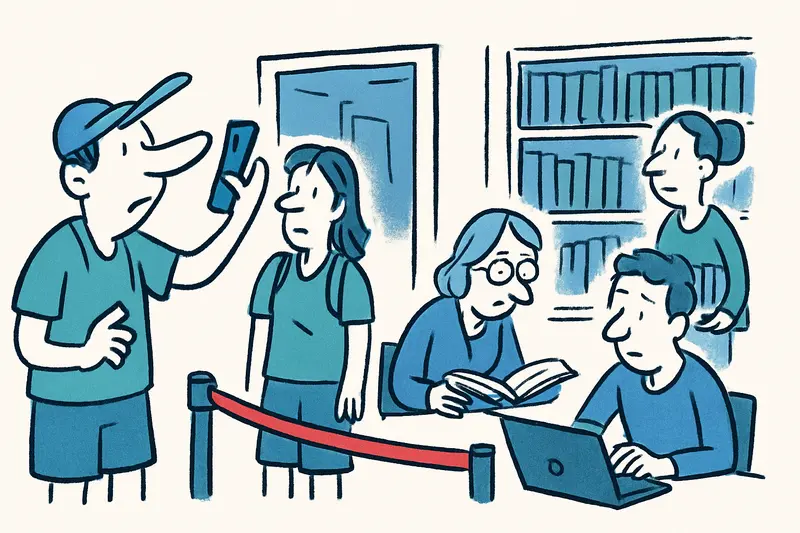
Red Rope in Palma's Library: What Helps Against Selfie Tourism — and What's Missing
Palma's city library cordoned off an area with a red rope to keep selfie tourism away from reading and working activitie...
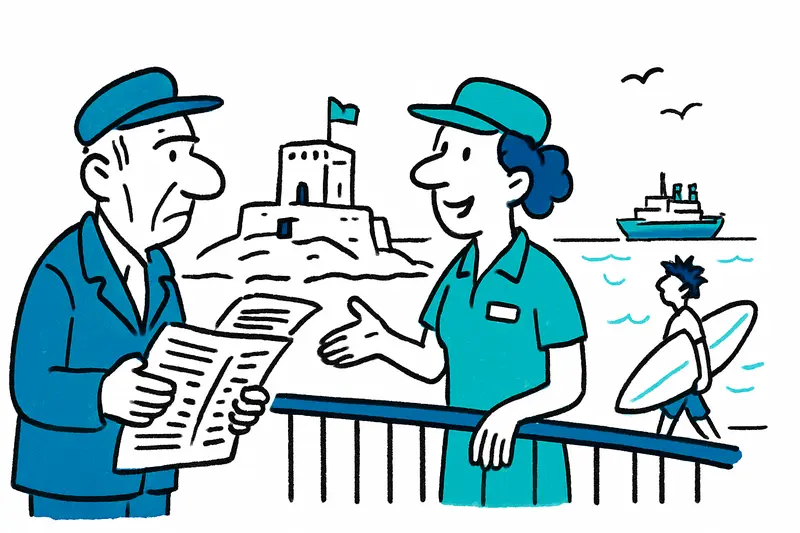
Fort San Carlos: Museum, Harbor Dispute — and a Conflict That Demands Answers
The military museum at Fort San Carlos sits right on Palma's harbor, with unexpectedly quiet rooms filled with cannons a...
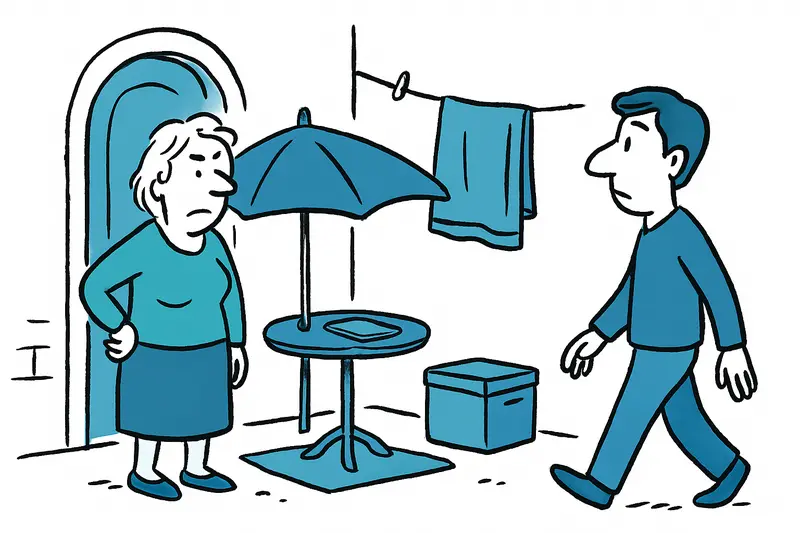
Old Town Under Pressure: When a Doorway Becomes a Sleeping and Shower Place
For months a woman has been living with a parasol, a clothes rack and personal belongings next to the social welfare off...
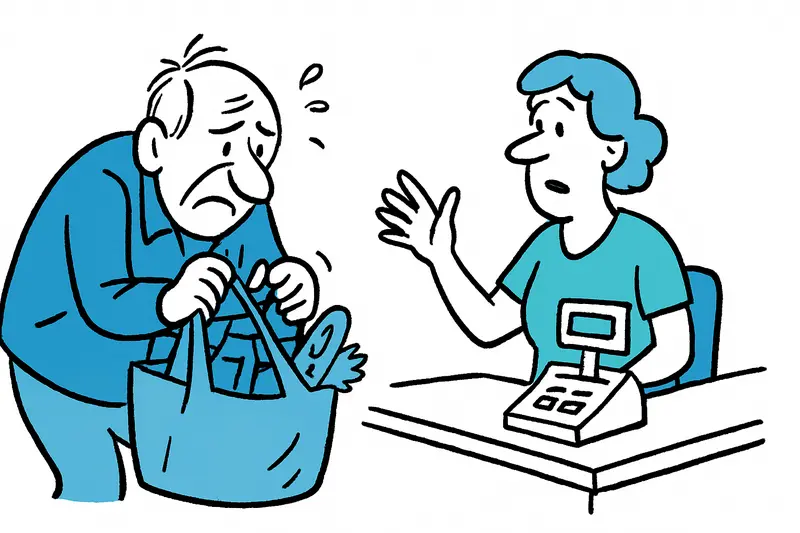
When Shopping Weighs Heavier: Mallorca Demands a Tax Pause on Food and Fuel
Rising prices are putting pressure on households and agriculture. The Balearic Islands are calling for temporary tax rel...
More to explore
Discover more interesting content

Can Cap de Bou

Townhouse Lleo 72
