
Fresh breeze, but is it enough? What Palma's bus station really needs
Six new fans and €40,000 for the Estación Intermodal: initial relief from the heat — but the real problem areas remain open. A look at priorities, costs and tangible solutions for Palma.
Fresh breeze — but is this just a drop in the summer ocean?
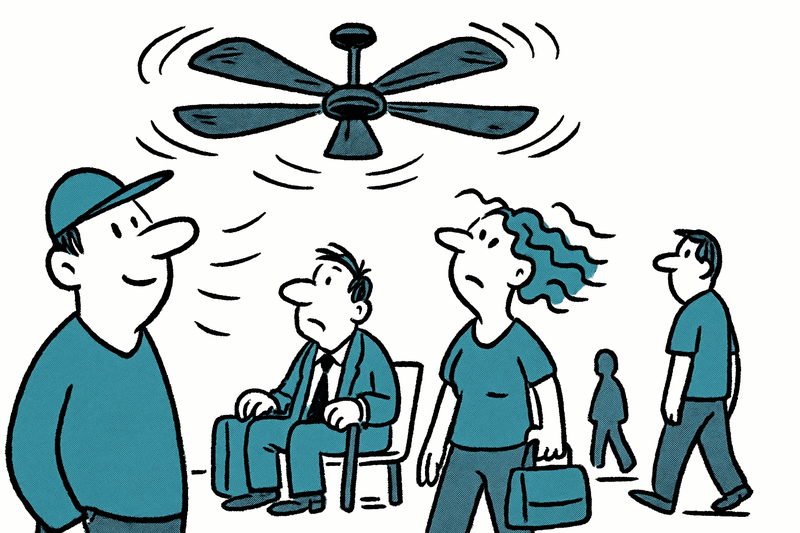
If you stroll under the plane trees at Plaça d’Espanya on these hot August days and head for the Estación Intermodal in Palma, you notice it immediately: the airflow in the waiting area no longer depends only on occasional bus exhaust and the sea breeze. Six new fans whirl above travellers' heads and promise relief from the oppressive heat. For many commuters a small daily ease, for the city administration a visible sign: something is happening.
The central question: Are fans enough?
The answer is more complicated. Yes, the devices provide noticeable short-term relief — especially when the asphalt radiates the afternoon heat and the hum of buses acts like a monotonous metronome. But the investment of around €40,000 for six units raises questions: Is the money well spent when escalators, barrier-free floors and new toilets are announced at the same time, as reported in Mucho dinero, mucho trabajo: ¿es suficiente para la estación intermodal de Palma?? Or is this a cosmetic update that hides larger structural problems?
The problem at the Estación Intermodal is multifaceted: permanent shading solutions, considered airflow design and quiet zones for older people or families with children are missing. Fans are a short-term response to a long-term urban climate problem — and they depend on electricity prices and maintenance schedules.
Who do we mostly see at the station — and what are they missing?
A look into the hall: students with backpacks, commuters with coffee cups, tourist groups with rolling suitcases. For many the station is not a destination but a transit. That is precisely why it should function as a business card. But instead of planter boxes, shading architecture or intelligent waiting areas, there are often only functional but uninviting spaces. People with limited mobility report that transitions are announced but not yet barrier-free everywhere. Good lighting, clear wayfinding and tactile floor surfaces would be not only comfort but dignity.
What is overlooked in the public debate
People like to talk about air conditioning and new escalators, as reported in Aire fresco, nuevas escaleras — y muchas preguntas: La estación intermodal de Palma entre la inversión y la vida cotidiana. Operating costs, energy sources and lifespan are discussed less often. Who will pay the bill in five years when fans become prone to repairs? And: why not rely more on passive measures — shade sails, photovoltaic systems for self-consumption, greening, better ventilation through open structures? Such measures also cost money but reduce long-term dependence on external energy.
Concrete opportunities and solutions
Instead of investing only in isolated measures, Palma could think of the station as a whole. Proposals that can be implemented relatively quickly:
- Modular sun protection: Lightweight pergolas or awnings that provide shade outside the high season and improve the microclimate.
- Solar power for fans and lighting: Photovoltaic modules on the waiting halls can cover part of the electricity demand and protect against rising energy costs.
- Water-adapted greenery: Mediterranean plants provide shade, filter dust and make the place more pleasant — without daily maintenance costs.
- Transparent construction and timing plans: Many users want clear information: When will the escalators arrive? Which areas will become barrier-free first? Participation builds trust.
A place that deserves respect
The Estación Intermodal is more than a node. It is a pause, a transition and for some the first impression of Mallorca. Fans are a step — important, noticeable, welcome. But they must not obscure the need for a holistic strategy: energy-efficient, accessible and adapted to the urban climate. If Palma now takes the opportunity to not only cool in the short term but to plan for the long term, it would help not only travellers but the whole cityscape. And then you would hear it not only in the quiet hum of the fans but in satisfied conversations in the hall.
Frequently asked questions
Do the new fans at Palma's Estación Intermodal actually make the station cooler?
Why is Palma's bus station still so uncomfortable in summer?
Is the Estación Intermodal in Palma accessible for people with reduced mobility?
How much did the new fans at Palma's station cost?
What improvements are still needed at Palma's Estación Intermodal?
When is the best time to use Palma's bus station in hot weather?
What can Mallorca's transport hubs do to cope better with summer heat?
Why does Palma's bus station matter so much for visitors and commuters?
Similar News

The End of the Cheap Ride? Why Mallorca Is Hit Harder by the Fuel-Price Shock
Gasoline and diesel average close to two euros per liter. What this means for commuters, supply chains and renters in Ma...
Relaxed liquid rules in Munich: What Mallorca travelers will notice
At Munich Airport the 100-milliliter rule will be lifted at all checkpoint lanes — thanks to new CT scanners passengers ...

For 45 Years on Mallorca — and Then This: How a Market Visit in Santa Ponsa Became a Lesson
A woman who has lived on the island for decades lost money and important documents at the Mercat Setmanal in Santa Ponsa...
10 percent surcharge on the beach: How legal and transparent is the extra charge at Playa de Muro?
A German part-time resident noticed days after a restaurant visit in Playa de Muro that the bill included a flat ten per...

Body near the Llevant Market: What this death says about our city
A man was found dead on Sunday afternoon near the Llevant Market. Police say the death appears natural. The scene raises...
More to explore
Discover more interesting content

Can Cap de Bou

Townhouse Lleo 72
