
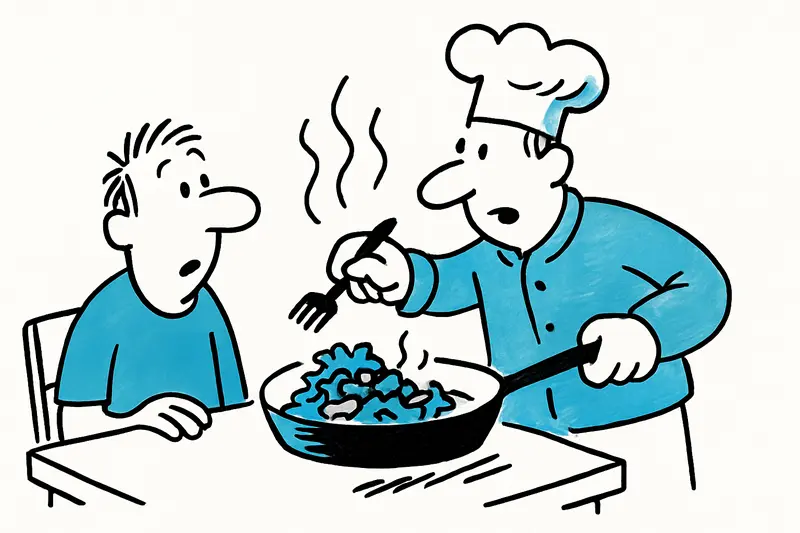
Frito Mallorquín: The down-to-earth heart of the island — and what that means for Mallorca
A survey crowns Frito Mallorquín as the most typical dish of the Balearic Islands. Why this simple pan dish says more than advertising, and how the island can preserve its authenticity.
A classic that comes from the kitchen, not from advertising
In the early morning, when the market at the Plaça is still asleep or just waking up, you can hardly smell it: Frito Mallorquín. The fish stalls steam, traders shout, and somewhere an olive oil drop sizzles in a still-cold pan. Yet in a recent survey 35 percent of respondents chose it as the most typical dish of the Balearic Islands. Why this rustic pan dish of all things? That's exactly the question that concerns us.
What lies behind the choice — and what doesn't?
Frito is not a product of staging. It's what remains when a slaughter is over or the pantry needs a spring clean: lamb or pork, sometimes liver, potatoes, peppers, fennel, peas, garlic, onions. All briefly fried in a large pan with good olive oil. Not penthouse food. Not an Instagram set. But warmth, satiety and a taste many associate with home.
The choice says something about values: authenticity beats marketing. The ensaïmada, sweet and packaged to please tourists, comes a close second — unsurprising, it likes to travel in suitcases as a souvenir. Sobrasada is present, but its commercial image varies. Frito, by contrast, appears unplayed. This earthiness apparently impresses more than polished brand images.
What rarely appears in the public debate
The survey provides a picture; but it does not tell the whole story. Three less noticed aspects deserve a closer look:
1. The social function: Frito is not a show event, it's community. In a bakery canteen, at the bar on Calle Sant Miquel or at a family celebration people talk over spoons about the weather, house repairs, the son who ends up at the festival. It is a dish that creates closeness.
2. The economic base: Many ingredients come from small producers on local farms — fruit growers, vegetable gardeners, village butchers. If Frito gains significance, it can stabilize demand for local products. Even more: we could make this connection more visible, instead of celebrating only export flagships.
3. The generational change: Young Mallorcans sometimes know Frito differently: as a childhood memory, as a grandmother's dish. The challenge is to pass on the recipe without turning it into a museum piece. Learning to cook in schools or workshops in bars are simple answers that rarely happen.
Concrete opportunities and solutions
If Frito can serve as a symbol of genuine island cuisine, what can be made of it — without losing authenticity? A few suggestions that would be easy to implement in practice:
Visibly link local menus. Daily dishes in bars could be labeled with the day's producer ("Potatoes from Can Xavi, peppers from Sa Pobla"). Small signs, no certificate. A glance that tells origin.
Workshops and pop-up days. In front of the village church or at the weekly market: a Frito station where the elderly show the dish. Young people cook along. No event overkill, just exchange.
Support for small kitchens. Local authorities could provide microcredits or grants for bars so traditional dishes appear more often on menus — especially outside the high season; this relates to Why Food Is Noticeably More Expensive in Mallorca — and What We Can Do About It.
Educational offerings. A module in school kitchens: classic recipes, seasonal ingredients, avoiding food waste. Frito is a prime example of resource-saving cooking.
In short
The survey does not show that Mallorca only eats Frito anymore. But it does show what many associate with "typical": everyday life, origin and honesty. On an island that lives from tourism and at the same time struggles with its identity, such an unspectacular dish as Frito Mallorquín can become a guiding image — if we are willing to maintain the tradition and support the producers.
On your next walk through Palma: go to one of Palma's quiet favorites at midday, listen to the clatter of plates, smell the olive oil, let a little of the island's pleasant weather brush past your face and taste. Maybe then you'll understand why so many islanders connect this dish with their home.
Frequently asked questions
What is Frito Mallorquín, and why do people in Mallorca see it as such a typical dish?
Is Frito Mallorquín heavy, and when is it usually eaten in Mallorca?
Why do locals in Mallorca value Frito Mallorquín more than tourist dishes?
What ingredients are usually used in Frito Mallorquín?
Can you still find Frito Mallorquín in Palma restaurants and bars?
Does Frito Mallorquín use local produce from Mallorca?
Is Frito Mallorquín still common among younger people in Mallorca?
What kind of Mallorca food culture does Frito Mallorquín represent?
Similar News
When Housing Becomes a Matter of Survival: Mallorca Between Rental Frenzy and Everyday Life
The case of 87-year-old Maricarmen showed that on Mallorca many people's lives are poised between affordable and uninhab...

Autumn in Mallorca: When Melancholy Gets a Window
Why autumn quietly tightens here — and how to make use of the mood: walks, culture, candles and the light from Palma to ...
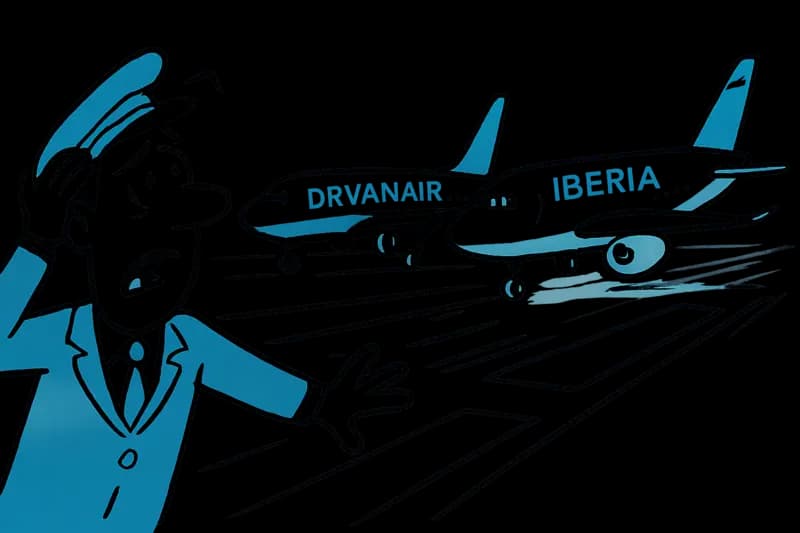
Near-miss on Lanzarote: Landing Ryanair Jet and Iberia Takeoff — what really went wrong
On Lanzarote there was a dangerous incident: A Ryanair flight (FR5910) from Dublin landed on runway 03 while an Iberia E...

Eurowings introduces new Premium Business seats on Mallorca routes
From December 1, selected Eurowings flights to Palma and other destinations will feature eight particularly generous sea...

Car on MA-13 near Inca in flames – a safety check for the island
A vehicle caught fire on the MA-13 towards Alcúdia on Tuesday afternoon. The driver was uninjured, the car was destroyed...
More to explore
Discover more interesting content

Can Cap de Bou

Townhouse Lleo 72
