
From Chaos to Family: 50 Rescued Dogs Find a New Home in Mallorca
From Chaos to Family: 50 Rescued Dogs Find a New Home in Mallorca
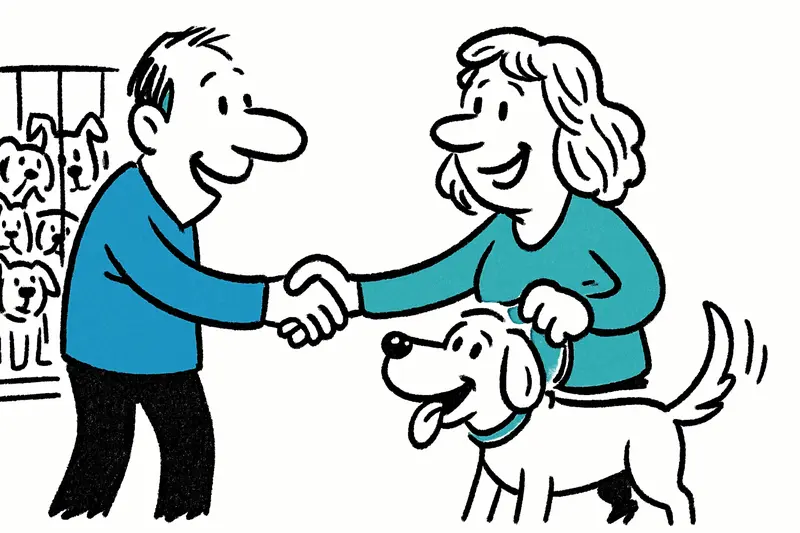
After the rescue of 50 dogs from a severely neglected finca near Palma, the municipal animal shelter provided medical care for all the animals. In the weeks that followed, all found placements with private individuals — except for one tragic loss.
From Chaos to Family: 50 Rescued Dogs Find a New Home in Mallorca
How an appeal, many helpers and local solidarity gave 50 animals a chance
In the morning, when the air still smells of damp pine wood and somewhere in Palma the street sweepers are rattling around, there is rarely as much activity in front of the Son Reus animal shelter as in the first weeks of March. Loud voices mixed with the clatter of leashes, and the smell of strong coffee rose from the small cafeteria — volunteers, prospective adopters and staff had been working toward one goal: getting a bunch of four-legged friends back on their paws.
At the end of February, 50 dogs were recovered from a severely neglected finca near Palma. The animals arrived at the municipal shelter physically and mentally battered, where keepers and veterinarians dewormed them, vaccinated them, microchipped them and, where necessary, carried out laboratory tests and rapid tests — among others for leishmaniasis. Many of the animals initially received rest, medical care and thorough grooming. Authorities are investigating causes in other cases, for example 27 Hunting Dogs Dead in Palma: How Could It Have Come to This?.
A call for adoption in early March triggered a large wave of interest. Queues of up to one hundred and thirty people formed in front of the shelter; the small puppies were especially quickly taken. The experience confirmed what volunteers have been saying for years: young animals are quickly adopted, while older or weaker dogs often take longer before someone bonds with them.
Many dogs found new homes within a few days. Volunteer organizations, neighbors, experienced families, but also people who simply wanted to help took responsibility. Some adopted immediately, others decided to act as foster carers first. A chain of supporters formed: veterinarians, local animal welfare groups and neighbors who donated food or brought beds.
Amid the success stories there is also a sad note: a dog that was roaming after being rehomed was found dead in the Es Vivero – Rafal area; signs point to a traffic accident. That is a reminder of a duty often overlooked: a new home also means protection from dangers, secure fences, leashes and education, and similar tragedies have shocked the community before, as reported in Horror at Palma Port: 27 Dogs Dead After Ferry Crossing — What Went Wrong?.
One of the adopters who gave an older Yorkshire terrier mix a home describes the settling-in like this: the dog was initially fearful but sought closeness and followed her almost step by step until trust grew. Such stories show that patience and calm make the difference — especially with older animals coming from traumatic circumstances.
Why is this important for Mallorca? Because the action sends political and social signals: it reduces the suffering of individual animals, relieves municipal facilities and mobilizes neighborhoods. Those who help with animal rescues here also support public life — fewer stray animals means safer streets and less burden for residents.
Those inspired by the story can help concretely: consider whether adoption or fostering is possible; support local shelters with food, blankets or time; take microchipping and neutering seriously so such situations occur less often; and if you plan to bring a pet to the island consult Traveling with a Dog or Cat to Mallorca: Between Cabin, Cargo Hold and Ferry Deck, and stay attentive when walking so curious newcomers don't get into danger.
In the end the image remains of a quiet afternoon in front of Son Reus: people saying goodbye, a few toys left behind, a dog learning new names and the certainty that community can move things. It's not a perfect happy ending — the loss makes that clear — but for most of the 50 dogs it was the beginning of a new life.
Frequently asked questions
What should I know before adopting a rescue dog in Mallorca?
How do Mallorca shelters prepare rescued dogs for adoption?
Why do older rescue dogs in Mallorca often take longer to be adopted?
What is the best way to help an anxious rescue dog settle in Mallorca?
What happened at Son Reus animal shelter in Mallorca?
Can I foster a rescue dog in Mallorca before adopting?
How can I support animal shelters in Mallorca if I am not adopting?
What safety precautions should I take with a newly adopted dog in Mallorca?
Similar News

Fewer Airlines, Fewer Destinations: What Palma's Winter Flight Schedule Means for Mallorca
Analysis shows: Winter at Son Sant Joan Airport will be quieter, with significantly fewer airlines and destinations. Who...
German tourist dies in Sa Calobra – a reality check for emergencies on Mallorca's beaches
A 40-year-old tourist died at the Torrent de Pareis. The emergency call, a doctor who happened to be present, a defibril...
Deadly Tractor Accident in Bunyola: What Needs to Be Done Now
In a work accident on an estate near Bunyola, a roughly 40-year-old man lost his life. His wife and a small child were o...
Head-first dive into the shallow part of Cala Fonoll: An accident and the unresolved question of responsibility
A young tourist dove into Cala Fonoll and was seriously injured. Key question: Why are clear warning signs missing at da...
Mistaken identity with fatal consequences: Brutal assault in S'Aranjassa — what's missing in the follow-up?
At S'Aranjassa a visitor to a finca was tied up, beaten and thrown out of a van. Three men have been arrested, including...
More to explore
Discover more interesting content

Can Cap de Bou

Townhouse Lleo 72
