
Galleries in Palma Close: Who Pays the Cultural Price?
Galleries in Palma Close: Who Pays the Cultural Price?
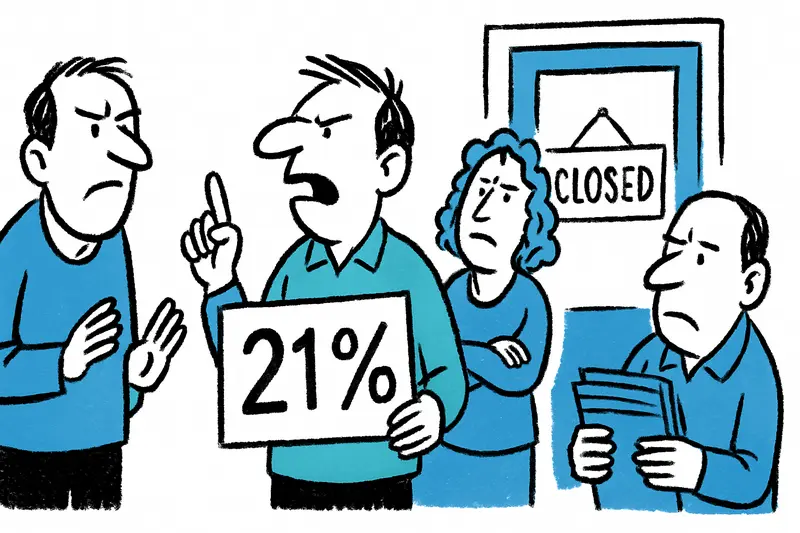
Several galleries in Palma, including members of Art Palma Contemporani, will remain closed until February 7. They are striking against the 21 percent VAT on art sales. A reality check: who bears the costs, and what can be changed?
Galleries in Palma Close: Who Pays the Cultural Price?
Key question: Is the 21 percent VAT the reason Palma’s galleries are closing their doors — and how much culture fits into a tax code?
What is happening in Palma right now
For several days now several galleries in Palma have been closed. Some spaces that belong to the group Art Palma Contemporani are taking part in a strike and have announced they will remain closed until February 7. The demand is clear: a reduction of the VAT on art sales, which in Spain currently stands at 21 percent. In the white alleys around Plaça Major and on the corner near the Lonja the shutters are now down, instead of the usual voices of gallerists, visitors and the clicking of shoes on the cobblestones. Even the regular art evening Nit de l'Art: Palma's long art night returns highlights how the streets can fill with art lovers.
Critical analysis
The math is simple: high taxes squeeze the margins of small galleries that already operate on tight budgets. Unlike large auction houses, many of these spaces live off small sales, relationships with collectors and temporary exhibitions. A 21 percent VAT means a buyer pays significantly more for a work while the gallery's margin barely increases; that shifts demand, makes sales harder and prompts some buyers to look for more transparent markets abroad or online. The comparison with Germany, where a significantly lower rate applies to commercial art sales, hangs over the discussion — it doesn't explain everything, but it makes the problem tangible. Coverage such as Nit de l'Art: Palma Between Gallery Glamour and Crowds illustrates these tensions.
What is missing in the public debate
First, few people talk about the precarious business situation of galleries: rents in Palma, transport and insurance of artworks, taxes on staff and operations — all of this multiplies the pressure. Second, there is a lack of discussion about the purchasing power of local and tourist art buyers: tourists strolling along Passeig del Born are price-sensitive; a high VAT rate can prevent spontaneous purchases. Third, the distinction between VAT for art as cultural goods versus a consumer goods tax is hardly present; culture is often taxed like a mass product.
An everyday scene from Palma
On Wednesday morning the Paseo Marítimo was fresh after a rain, seagulls circled, and on the corner of Carrer de Sant Miquel a note hung in the window of a gallery: "Cerrado por protesta". An older Mallorcan woman stopped, read it, shook her head and said: "That's bad for all of us." Next to her stood a young tourist with a camera who took out his smartphone in confusion — instead of going into the gallery, he scrolled on looking for cafés.
Concrete proposals
1) Tax differentiation: examine regional or sectoral special rules that treat art as a cultural contribution rather than consumer goods. 2) Transition models: a temporary reduction for smaller galleries or for first-time sales could allow time to adapt. 3) Financial support: subsidies for insurance, transport and digital presentation (photography/VR) to help galleries increase their reach. 4) Partnerships: museums, city administration and private collectors can organize joint sale days or art weeks with reduced fees. 5) Transparency and education: inform buyers about provenance, price structure and tax shares — this makes art purchases more understandable. 6) Coordinate lobbying at the Balearic and state level: a unified proposal with numbers, real examples and possible revenue offsets has a better chance of being heard.
What would help in the short term
Municipal initiatives — such as reduced booth rents for art sales at city markets, pop-up spaces in vacant shops or support programs during the low tourist season — would increase visibility and sales in the short term. Local guides to the long art night, for example Evening Stroll Through Palma's Art Night: Nit de l'Art Open Until 11 PM, show how extended opening hours can boost footfall. Digital sales and accompanying events (openings, artist talks) can attract buyers when the tax issue is handled transparently.
Punchy conclusion
The closed galleries are not merely a scene for outrage: they show an economic tension that could threaten Palma as a cultural center. The solution is not a simple tax cut for its own sake, but a package of tax law, local support and smart public relations. If the city and island government do not at least listen, there is a risk of a sell-off of diversity — empty shop windows instead of lively conversations about art in Mallorca.
Frequently asked questions
Why are some galleries in Palma closed?
How does VAT affect buying art in Mallorca?
Are galleries in Palma struggling only because of taxes?
Is it worth visiting Palma galleries during Nit de l’Art?
What are the best ways to support galleries in Palma?
What could help small art galleries in Mallorca in the short term?
Why do some people think art should be taxed differently in Spain?
What does the gallery strike in Palma mean for the city’s cultural scene?
Similar News

Are the Balearic Islands the Southern Border of Europe? A Reality Check on Immigration
The Balearic Islands are again calling for EU aid after a sharp rise in arrivals by sea. Conflicting priorities between ...

"Expensive chaos" and many open questions: What clients can do when a lawyer suddenly stops responding
Several clients complain that a well-known German lawyer in Mallorca has been unreachable for months. Key question: What...

TV tip: 'The Last Problem' — Mallorca as the setting of a classic crime
A classic whodunit on Mallorca: A new miniseries set in spring 1959 brings storm, an isolated hotel and a dense web of s...
Nipping Sea Creatures: Why Bathers in Cala Major and Elsewhere Should Be Cautious
In Cala Major, bathers have reported being nipped by small fish. What is behind it, how can problems be avoided — and wh...
Forced eviction in Santa Catalina: When a 65-year-old slept in her car and showered on the beach — a question of responsibility
The story of Pilar López from Santa Catalina represents a problem affecting many Mallorcans: How can an island with a bo...
More to explore
Discover more interesting content

Can Cap de Bou

Townhouse Lleo 72
