
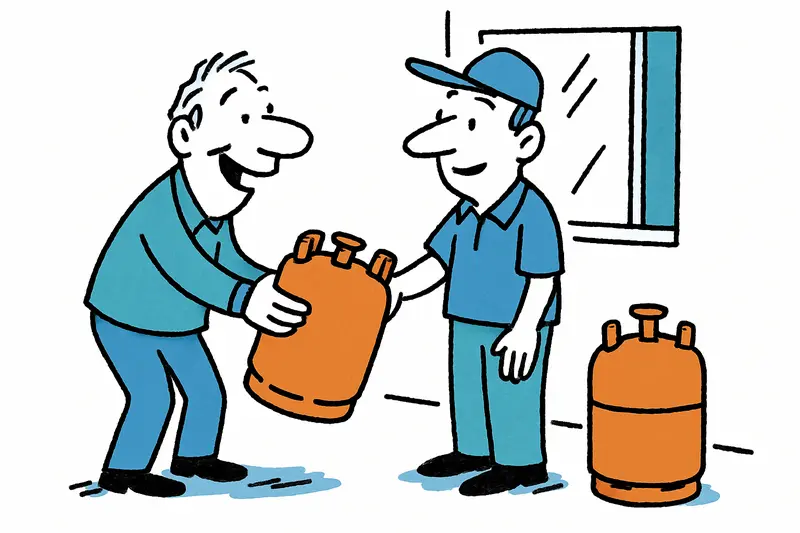
Gas cylinders in Mallorca are getting cheaper: five-percent cut brings relief
From Tuesday the classic orange bombona on Mallorca will cost only €16.27 — a five-percent reduction that noticeably relieves mountain villages and old houses. Why the price is falling and what households should watch for now.
Good news for households without a gas network connection
From this Tuesday many households in Mallorca will again pay a little less for the orange butane gas cylinder. The official sales price has been reduced by five percent, and the cylinder now costs €16.27. This development was reported in Cheaper Gas Bottles in Mallorca: Short-term Relief — But Is It Enough?.
Why the price is falling now
In short: markets and exchange rates moved in a way that is positive for consumers. Raw material prices for propane and butane have fallen slightly (around 1.6 percent), while the euro has strengthened against the dollar (about 2.3 percent). These effects were able to partially offset higher transport costs; logistics have recently become significantly more expensive (+14.9 percent) due to higher fuel costs and container space bottlenecks. Result: the cap limiting changes to five percent was used to the full extent — downward. This broader economic context is explored in Inflation Falls, Costs Remain: Who Pays the Price in Mallorca?.
How often does the cylinder price change?
In Spain the price for LPG cylinders is recalculated every two months. The basis is raw material costs, transport and the exchange rate. Changes are regulated: in each adjustment round the price may rise or fall by a maximum of five percent. Larger swings are spread over several rounds so that end consumers are not surprised by sudden price jumps.
What does this mean for Mallorca?
The bombona is here more than nostalgia; for many households it is everyday life — for cooking, sometimes for heating, especially in rural areas. At the weekly market in Inca or on the Plaça Major you can see how older neighbors take the news with a nod: a small amount less on the receipt often means one more coffee with friends or a supply of fresh oranges. Spain puts about 64.5 million gas cylinders into circulation annually, although consumption has been declining since 2010 (by almost a quarter by 2021). That means: while individual households benefit, the long-term trend points away from the cylinder, a theme related to wider cost pressures discussed in Balearic Islands in the Price Squeeze: Who Can Still Afford Mallorca?.
Practical tips for consumers
If you want to save, stay attentive: comparing prices is worth it, because sellers and exchange stations apply different surcharges. Pay attention to the fill weight, the inspection date on the cylinder and ask for the actual sale price versus the exchange price. The empty bombona belongs back to the dealer or the recycling center — not next to the trash bin. If you are unsure, give your supplier a quick call or check your last bill for the adjustment date.
Everyday scene: a small moment of happiness on Av. Jaime III
This morning on Av. Jaime III: three people at the cylinder exchange, the clinking of the valves mixing with the sputter of motorcycles. Everyone left with a slight smile — not because the saving is big, but because neighbors immediately called to pass on the good news. Small signals like this quickly become conversation topics here: in Mallorca, energy is often also a matter of neighborhood.
Looking ahead
The reduction is a short-term relief. In the long term the trend is toward fewer cylinders and new energy forms: solar, pellet heating or local natural gas connections play a role, as do political decisions and subsidy programs. For now, however, the five-percent reduction helps, gives households in the mountain villages a small buffer and creates — at least for the moment — a few more relaxed coffee rounds on the plazas of our villages.
Frequently asked questions
Why are gas cylinders cheaper in Mallorca now?
How much does a butane gas cylinder cost in Mallorca right now?
How often does the gas cylinder price change in Spain?
Do gas cylinder prices in Mallorca go up and down a lot?
Who still uses gas cylinders in Mallorca today?
What should I check before exchanging a gas cylinder in Mallorca?
What should I do with an empty gas cylinder in Mallorca?
Is bottled gas still important in Mallorca’s mountain villages?
Similar News
Renovating in Mallorca: What You Really Can Do Without Neighbour Consent
Many think they can do whatever they want in their apartment. That's partly true — but only as long as structural elemen...
Cafetería San Siro: A Meeting Place on Schinken Street Since 1966
In the middle of Schinken Street, Cafetería San Siro has been offering Mallorcan hospitality for more than six decades —...
From Ballermann to Prison: What the Verdict Against the Femina Operator Means for Palma
The Munich Regional Court convicted a German operator for subsidy fraud. What does the verdict mean for the Femina Club,...
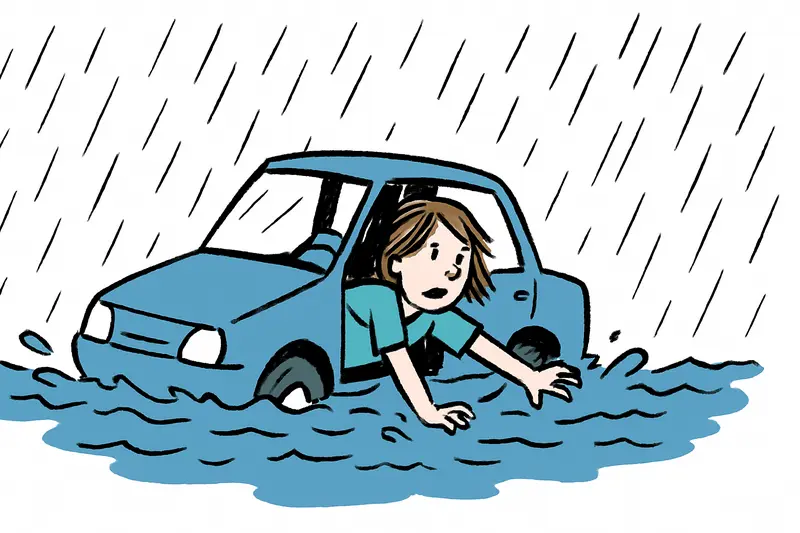
Underpass Verge de Lluc: 19-year-old fights her way out of flooded car – a warning sign for Palma
A 19-year-old recently escaped swimming from her car after the Verge de Lluc underpass held up to one and a half meters ...
When the Floodgates Open Again: Why Palma's Floods Aren't a Coincidence
A sudden heavy downpour around 5 p.m. brought Palma to a standstill: flooded streets, full basements, panicked commuters...
More to explore
Discover more interesting content

Can Cap de Bou

Townhouse Lleo 72
