
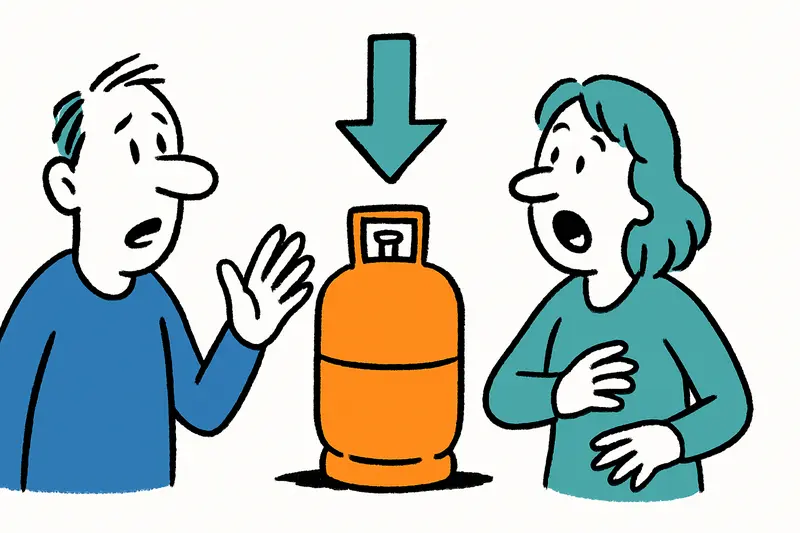
Cheaper Gas Bottles in Mallorca: Short-term Relief — But Is It Enough?
The government's price cut for butane gas brings short-term relief to Mallorca. But logistics, seasonal demand and lacking infrastructure show: without structural measures, it remains a drop in the bucket.
Cheaper Gas Bottles in Mallorca: Short-term Relief — But Is It Enough?
In the early morning at the Esquina in Palma you currently hear more than just traffic: the clinking of used bottles, the soft rattling of delivery vans and voices celebrating a new price. The government-regulated butane gas bottle currently costs €15.46 – for many families in mountain fincas, for pensioners with gas stoves or for restaurants in remote locations this is not insignificant, but everyday reality, as reported in report on bombona price reduction in Mallorca (2025).
Key question: Does the new price round provide lasting relief or is it just a drop in the bucket?
In the short term the answer is easy: yes, anyone who bought a bombona (gas bottle) this week feels relief in their wallet. In the long term the situation looks different. Prices are set every two months and are influenced by exchange rates, commodity prices and transport costs. This time a stronger euro and reduced transport effort were the triggers for the decrease. That explains why prices can change so quickly — and why the relief is not automatically permanent, as shown in English coverage of a five‑percent cut to €16.27.
What is often left out of the public debate
The discussion often stays at the level of numbers. Less attention is paid to the logistics between villages: narrow switchbacks in the Serra, steep access roads to fincas, tight lanes in places like Valldemossa or Deià. For a supplier this means more time, more trips, and higher wear and tear. These costs rarely appear in official statistics, yet they influence final prices.
Seasonal demand is also underestimated. In winter heating demand rises, while in summer consumption peaks due to holiday homes — often occurring at the same time in different parts of the island. Small traders who handle only a few pallets a week are particularly vulnerable to price swings. And the seemingly trivial question of bottle technology — steel versus lighter composite bottles — is much more than comfort: it determines pallet utilization, number of trips, emissions and ultimately operating costs.
Concrete opportunities: What Mallorca can do now
The current price reduction creates a small window to initiate structural changes. Some realistic proposals:
1. Local bulk orders and cooperatives: Municipalities or neighborhoods could coordinate fixed ordering days. In outer districts of Manacor or in mountain villages this can significantly lower delivery costs per household — and give small retailers better predictability.
2. Subsidy programs for conversion: Municipal grants for switching to electric heating systems or more efficient gas appliances would be investments in lasting relief. Expensive in the short term, but more secure for households and the climate in the long run.
3. Decentralized filling and return points: Small depot stations in strategic locations reduce transport distances. A deposit system for modern lightweight bottles would make returns and recycling economically viable and at the same time reduce the number of truck trips.
4. Transparency in delivery costs: The state maximum price provides guidance — the final bill often contains service fees. Clear breakdowns would enable real competition and help consumers identify real savings.
5. Support for retailers: Grants or low-interest loans for renewing bottle stocks and optimizing logistics (larger pallets, lighter containers) would speed up the transition.
What households can do immediately
Practical tips are simple but effective: compare prices from several providers, coordinate group orders with neighbors, look for subscription models with discounts and maintain appliances regularly. Storing bottles in a cool, dry place prolongs their lifespan — and saves hassle.
And one more thing: the bombona is more than an energy carrier in Mallorca — it is part of the everyday soundscape. The click when it's placed, the soft whistle from the pot, the brief chat in front of the kiosk are all part of the island's picture. The price reduction eases that sound for the moment. But whether it improves energy security or contributes to the island's climate strategy will only be decided if politicians and municipalities seize the opportunity to modernize logistics and promote sustainable alternatives.
From the local editorial team Mallorca Magic — we listen, even if only the clinking of the bottles answers.
Frequently asked questions
How much does a butane gas bottle cost in Mallorca right now?
Will cheaper gas bottles in Mallorca keep getting cheaper?
Why are gas bottles more important for some homes in Mallorca than others?
Why are gas bottle deliveries in Mallorca more expensive in some places?
What can households in Mallorca do to save money on gas bottles?
Is winter or summer the more expensive time for gas bottle use in Mallorca?
What could help reduce gas bottle delivery costs in Mallorca in the long run?
Are gas bottle price cuts in Mallorca enough to improve energy security?
Similar News
Renovating in Mallorca: What You Really Can Do Without Neighbour Consent
Many think they can do whatever they want in their apartment. That's partly true — but only as long as structural elemen...
Cafetería San Siro: A Meeting Place on Schinken Street Since 1966
In the middle of Schinken Street, Cafetería San Siro has been offering Mallorcan hospitality for more than six decades —...
From Ballermann to Prison: What the Verdict Against the Femina Operator Means for Palma
The Munich Regional Court convicted a German operator for subsidy fraud. What does the verdict mean for the Femina Club,...
Underpass Verge de Lluc: 19-year-old fights her way out of flooded car – a warning sign for Palma
A 19-year-old recently escaped swimming from her car after the Verge de Lluc underpass held up to one and a half meters ...

When the Floodgates Open Again: Why Palma's Floods Aren't a Coincidence
A sudden heavy downpour around 5 p.m. brought Palma to a standstill: flooded streets, full basements, panicked commuters...
More to explore
Discover more interesting content

Can Cap de Bou

Townhouse Lleo 72
