
Gesa Tower: Between Prestige and Everyday Life — a Reality Check
Gesa Tower: Between Prestige and Everyday Life — a Reality Check
Cruz y Ortiz plans to convert the Gesa Tower in Palma into a cultural and innovation center. What's still missing: cost control, a traffic plan, and concrete usage perspectives for the neighborhood.
Gesa Tower: Between Prestige and Everyday Life — a Reality Check
How an empty tower is supposed to become a public centerpiece — and which questions remain open
The news that the distinctive building on Palma's coast is finally to be given a new life sounds promising (reported in Palma plans redesign around the Gesa building - redevelopment with question marks): the commissioned firm Cruz y Ortiz wants to transform the building after years of decay into a cultural and innovation center. The city speaks of an investment of around €76.6 million and a construction period of 26 months; an ambitious schedule, with a possible opening toward the end of 2029. Cornerstones of the concept are a new central library, a municipal art institute, spaces for start-ups, Palma plans a new exhibition center – will modernization and quality of life fit together? and a rooftop terrace for events. The program is complemented by a new building for artistic production, an energy information center, multifunctional rooms and extensive public open spaces.
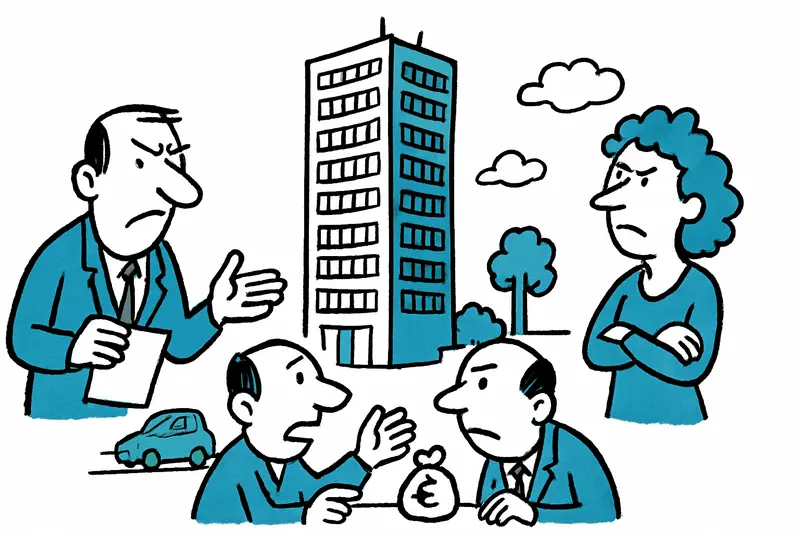
Key question: Can the Gesa Tower really become a lasting benefit for Palma — without the neighborhood, traffic and the municipal budget footing the bill?
In short: the project has potential, but there are more construction sites than just the rubble bins. The plan contains good elements — public spaces, a connection to the coast, elevators between Carrer Joan Maragall and the MA-19 — yet some decisions smell like quick fixes: the draft includes 961 underground parking spaces while 18,000 square meters of public land are to be created. This mix of a large car park and public ambition runs counter to the direction successful inner-city development is taking: fewer cars, more accessibility on foot and by bike. If nearly a billion trips per year are not imminent, why so many parking spaces next to a Bicipalma station? The tension between museum concepts and parking is also the focus of Palma launches ideas competition for the Gesa site — museum concepts versus parking plans.
Another point: schedule and budget. Twenty-six months of construction for a listed, complex structure plus new buildings is tight. Such projects often incur additional costs — compensatory measures, archaeological finds, adjustments to current building regulations, or unexpected damage to the fabric of the Ferragut building. The claim that the tower could be "finished earlier" is nice, but it does not replace a transparent risk assessment.
Accessibility is also unresolved. The plans include new pedestrian connections, two of them with elevators, plus two additional crossings to the sea. These are useful elements — especially for older people and families — but what do the bus and tram connections look like? Anyone who commutes daily between Palma and Portopí observes the morning bus traffic on the MA-19: crowded lines, tight intervals. A cultural and innovation center needs reliable public transport, otherwise the 961 parking spaces will quickly fill up with commuters instead of visitors to the library or the studios.
The debate about heritage protection and identity is too short. The design aims to modernize the work of the Mallorcan architect José Ferragut. That is necessary: preservation yes, museum-like blockage no. But how much of Ferragut's original will remain visible? Which interventions are reversible? Such questions should not disappear behind buzzwords like "higher quality" but should be subject to concrete conditions.
What is almost missing in the public discussion are operating concepts: who will run the library, who will finance the ongoing costs of the art institute, how will start-up spaces be subsidized, and how will access for local artists be regulated? A prestige project can quickly become an expensive vacancy if operating expenses are not clearly covered.
I also see this in everyday life: on the Paseo Marítim, when commuters and deliveries enliven the promenade early in the morning, there is often a lack of proximity to places that really make cultural offerings lively — small ateliers, workshops, rehearsal rooms. A large center can change that if it reserves spaces for those who live and work here. Otherwise, it will mainly be visitors from outside and paid events that use the building.
Concrete proposals so the project does not become just another chapter in the city's chronicle:
1) Transparent cost and timeline planning: A publicly accessible dashboard with milestones, expenditures and open risks. Independent audits before work begins.
2) Rethink parking: Gradually link the number of underground parking spaces to real demand; earmark revenues for operations and social uses.
3) Strengthen public transport and cycling: Additional bus connections, improved frequency, safe cycle routes to the Bicipalma station; park-and-ride for tourists instead of inner-city parking. Similar urban planning debates have accompanied other large projects, for example Palma plans 3,500 apartments: Opportunity for Son Güells — or too much speed, too little planning?.
4) Usage and allocation rules: A percentage reserved for local artists, social tariffs in the library, transparent allocation of start-up spaces with mandatory community programs.
5) Climate resilience and energy: Solar panels, rainwater harvesting, green roofs and assessments for rising sea levels as well as noise protection during construction.
Conclusion: Palma's Gesa project can get many things right: it offers the chance to transform an urban eyesore into a public center. For hope to become reality, though, it needs more than a famous architect and a pretty visualization. It requires binding commitments on transport, financing, heritage protection and operations — and honest answers to the question of who will actually use this place in the end. Otherwise, what remains is a well-intentioned prestige contest while the people who walk by the sea every day will just honk at the construction site.
Frequently asked questions
What is the Gesa Tower project in Palma and when could it open?
How might the Gesa Tower affect parking and traffic in Palma?
What facilities are planned for the Gesa Tower as a cultural and innovation center?
How will heritage and identity be addressed in the Gesa Tower redevelopment?
What public transport improvements are planned for Gesa Tower and will it be accessible?
Who will operate and fund ongoing costs for the Gesa Tower facilities?
What risks could affect the Gesa Tower timeline and budget?
What steps could help ensure the Gesa Tower benefits local residents and artists in Mallorca?
Similar News

Found dead in Son Gotleu: Dog walk ends fatally — what is missing in the investigation?
A 68-year-old man was found dead on Sunday morning on Tomás Rullàn street in Son Gotleu. According to his partner, he ha...

Theft at Playa de Palma: How safe are tourists at night?
At Playa de Palma street vendors snatched a gold chain worth around €5,000 from a tourist. The National Police intervene...

Smoking Weed at the Ballermann: Why a Ten-Euro Joint at Playa de Palma Ends in Handcuffs
A street purchase for 10 euros at Playa de Palma led to an arrest. Why a simple joint on holiday can have serious conseq...

Push-ups on the Sea: Why Prone Paddlesurf is Taking Off in Mallorca
Those who crawl belly-down across the water aren't signaling for an ambulance but curiosity: prone paddlesurf — long, na...

When Bouncers Run Amok: Emmy Russ and the Question of Safety at the Ballermann
An incident at the Megapark involving reality TV figure Emmy Russ raises broader questions about the oversight of securi...
More to explore
Discover more interesting content

Boat Tour with BBQ along Es Trenc Beach

Private transfer from Mallorca Airport (PMI) to Pollensa
