
Heat Alert in Palma: Tourist Collapses on Plaza Mayor — Time for Better Preparedness?
Heat Alert in Palma: Tourist Collapses on Plaza Mayor — Time for Better Preparedness?
A 57-year-old tourist collapses in the middle of Palma. The scene shows: heat here is not just weather, but a public health problem.
Heat Alert in Palma: Tourist Collapses on Plaza Mayor — Time for Better Preparedness?
Key question: Why do we respond to heat waves mainly with warnings instead of making the city and tourism practically more resilient?
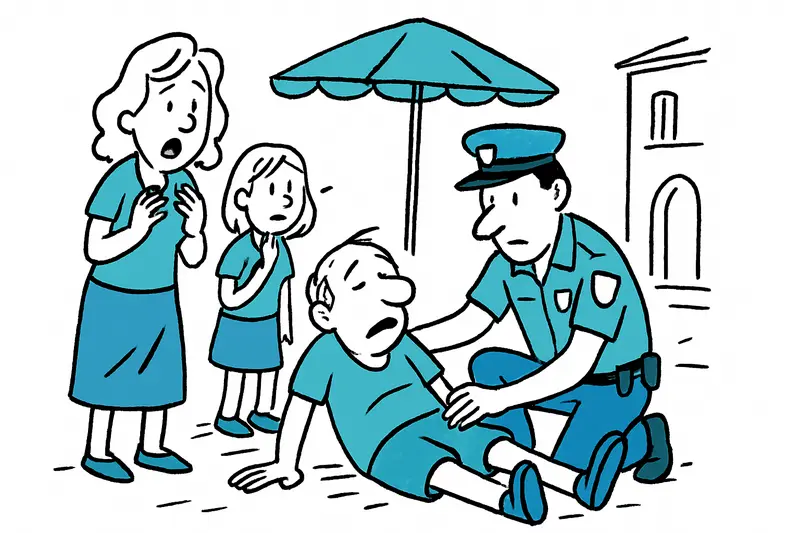
In the late afternoon, around 5 p.m., the lively Plaza Mayor fell silent for a moment: a 57-year-old German-speaking tourist collapsed while his family stood beside him. Passersby called for help; a local police patrol, which is more present in the city center during the summer months, provided first aid and did not wait a moment for an ambulance to arrive. One of his daughters accompanied him to the ambulance — the images of her sitting by his side stayed with many onlookers. Heat shock on the quay: Swiss tourist collapses in Andratx after hike
The heat is noticeably affecting the city: the paving stones radiate heat, awnings flutter in the updraft, street vendors push buckets of ice. In this environment circulatory problems occur quickly — especially in people who do not properly balance sun exposure, fluids and rest. According to AEMET, warnings are currently in effect for the island; some municipalities are expected to see values around 40 °C (104 °F). Heat alert on Mallorca: How well is the island prepared for infernal heat days?
Critical analysis: The rapid assistance was important and correct. But the incident raises questions: Are multilingual notices and occasional patrols enough? Or does Palma need structural measures that protect people directly on site? Public discourse is dominated by advice such as “drink plenty” and “avoid midday heat.” That is correct — but often too vague for tourists who are out sightseeing or staying only a short time on the island.
What is missing in the public debate: concrete, visible infrastructure and low-threshold services. Where are the publicly accessible drinking fountains along busy pedestrian routes? Why aren’t there more shaded waiting areas at stops, more mobile cooling points at popular squares, or information signs in multiple languages with clear steps to take in heat emergencies? App notices or airport information would be more useful if accompanied by physical measures in the city.
Everyday scene in Mallorca: a Tuesday in the city center — buses full of visitors, bells ringing somewhere in the distance, an ice-cream seller hurriedly spreading cones, tourists turning around in search of shade. Police hand out bottles of water, waiters lay out damp cloths. These are small scenes that shape almost every street in Palma when the sun intensifies. When Palma Is Sweating by Mid-Morning: Heat Alert, Risks and What's Missing Now
Concrete solutions (short- and medium-term): 1) More drinking fountains on central promenades and at stops — easy to install and inexpensive. 2) Mobile “cooling points” during extreme warnings: tents with fans and seating, operated by municipalities or tourism companies. 3) Mandatory training for service staff in hotels, museums and restaurants: recognizing signs of heat illness and first aid measures. 4) Integration of AEMET warnings into local apps, display on digital city boards and in airport buildings in multiple languages. 5) Promotion of simple structural measures: sun sails over pedestrian zones, more trees in prominent locations.
In the long term, urban planning should consider heat as a serious burden: more green spaces, reflective ground surfaces, and an expansion of “cool islands” in neighborhoods. The tourism sector can also play a role: information sheets on arrival, tips for planning the day (cool mornings, siesta, evening walks) and incentives to shift activities to other times of day.
Practical immediate tips for everyone: drink even if you don’t feel thirsty; wear light, airy clothing; use head coverings; take cool breaks in air-conditioned or shaded areas; avoid alcohol in extreme heat; if you experience dizziness, nausea or loss of consciousness, call 112 immediately. If you find someone unconscious: place them in the recovery position, check breathing, inform emergency services — and, if possible, move the person into the shade and ease circulation with cool cloths.
What authorities and organizers can do now: increase visible presence with well-equipped teams that not only “warn” but actively hand out water and help people find their way. In the medium term, Palma must design urban spaces so that heat does not become a threat. That not only saves health costs but protects visitors and residents alike.
Pointed conclusion: Heat here is not an abstract climate issue — it affects people on streets and in squares. The quick help at Plaza Mayor was the right thing to do. But the incident should not remain isolated: we need more shade, water and clear, practical rules so the city is not only reactive but prepared for hot summers.
Frequently asked questions
What can visitors do to stay safe during heat waves in Mallorca?
What practical measures can Palma implement to cope with heat for visitors?
What happened at Plaza Mayor and what does it tell us about heat risk in Palma?
How should service staff be prepared to spot and respond to heat illness?
What long-term urban planning ideas could help Palma cope with heat?
If someone feels dizzy or unwell in the heat, what should you do in Mallorca?
Where in Palma can visitors find water or shade during hot days?
How can visitors plan a Mallorca day to avoid the hottest hours?
Similar News
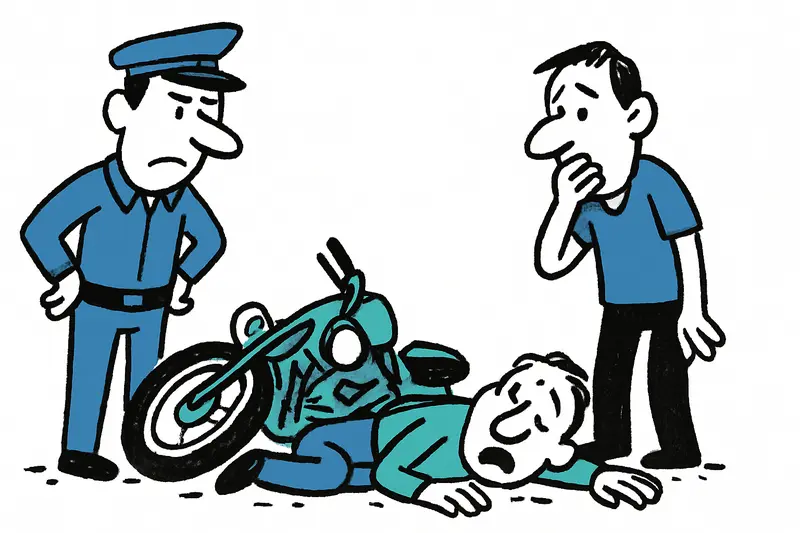
Stolen Motorcycle in Palma: Fatal Crash in Coll d'en Rabassa Shortly After Theft
A motorcycle parked on Plaza Miquel Dolç in Son Gotleu was reportedly stolen in the early hours. Hours later two men cra...
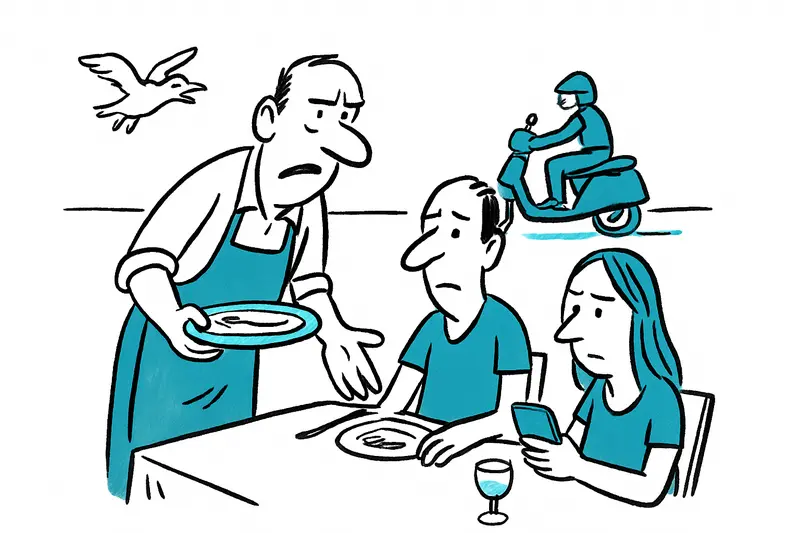
When More Guests Mean Less: Mallorca's Restaurants at the Limit
Despite record visitor numbers, the revenues of many restaurants are shrinking. Why more visitors don't automatically me...
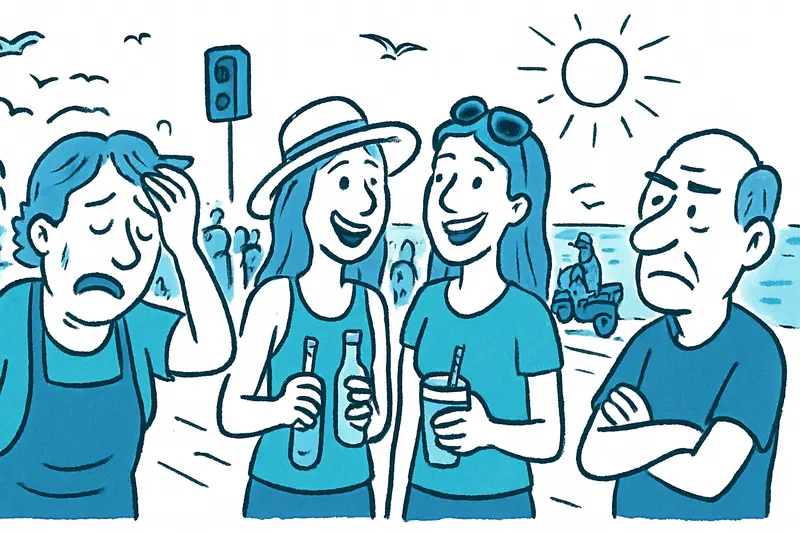
Ballermann 2026: Heat, crowded promenade and rising prices – how much longer?
Bright sunshine, over 35 degrees in the shade and busy venues at Playa de Palma: Tourists enjoy the parties, restaurateu...
Stolen motorcycle, high-speed escape, deadly crash: An accident in Palma that raises questions
A motorcycle stolen in Son Gotleu ended up hours later on the Cardenal-Rossell in Coll d'en Rabassa in a deadly collisio...
Found dead in Son Gotleu: Dog walk ends fatally — what is missing in the investigation?
A 68-year-old man was found dead on Sunday morning on Tomás Rullàn street in Son Gotleu. According to his partner, he ha...
More to explore
Discover more interesting content

Boat Tour with BBQ along Es Trenc Beach

Private transfer from Mallorca Airport (PMI) to Pollensa
