

From Mallorca to Leipzig: Who Pulled the Strings Behind Demichelis' Departure?
From Mallorca to Leipzig: Who Pulled the Strings Behind Demichelis' Departure?
Martín Demichelis' unexpected move to Leipzig is creating talk on the island. Who benefited, what remained unclear — and how can a club handle such rapid departures in the future?
From Mallorca to Leipzig: Who Pulled the Strings Behind Demichelis' Departure?
Coaching change in slow motion: career opportunity or breach of trust?
On a hot June evening, when the church bells of Palma's old town still echoed and the street kitchens on Passeig Mallorca sent the smell of grilled fish into the lanes, news swept across the island like a thunderstorm: Martín Demichelis is leaving Real Mallorca and signing for RB Leipzig — a move that arrived amid other local conversations such as Condor says 'farewell' to Leipzig — what Mallorca makes of it. Five months of training work on the island, a recent contract extension until 2028 — and suddenly there was the release clause. The result: a two-year contract in Germany, a payment of 2.5 million euros to Mallorca, and excited voices among fans and club circles.
Key question: Was this a personal career decision that a club must accept, or a process that damages the fragile trust between the club and its supporters? This question is at the center of the debate here on the island.
A link in the whole story is a former teammate from Munich days, Mario Gómez. According to available information, Gómez met with Demichelis in early June at a hotel in Palma's old town. Gómez, who now works in the sporting division of the Red Bull football network, is seen as a central actor in initiating contact with Leipzig. From Mallorca's perspective, the meeting looked like the starting signal for a move that was completed within a few weeks.
Viewed critically, this sequence creates a pattern that clubs around the world know: when high-profile networks become active behind the scenes, a club risks being regarded merely as a stopover. Mallorca received the contractually agreed sum, but for many fans that is not consoling news. On the training ground and in conversations after evening sessions in Son Bibiloni, one hears a feeling of abandonment; in club offices people speak of a "serious question of trust."
The coach's official reaction, shared via his social media channels, signals understanding of the criticism and emphasizes that it was not an easy decision: he rejected other offers, and Leipzig presented itself as the chance for a new professional challenge. Demichelis wrote that one should not belittle dreams — a line that landed with many supporters like a match to dry material.
What has so far been underrepresented in the public discourse are three practical aspects: first, the contract design itself. Release clauses are common but rarely transparent in their application. Second, the question of sporting continuity: how can a club that has just started a sporting project be protected against short-term poaching attempts? Third, communication with the fans: a surprising departure without a clear plan leaves emptiness and speculation.
An everyday scene that captures the local mood: on a Saturday morning an older fan sits with his newspaper on a bench near the stadium, an espresso beside him, and he tells how he had hopes at the start of the season and is now puzzled. On the street nearby, youngsters discuss whether coach changes are becoming the new normal. This is not an abstract debate topic but conversation at the bus stop, in the café and over an after-work beer, and it ties into wider tourism discussions such as When the Germans Stay Away: Opportunity or Risk for Mallorca?.
What could concrete solutions look like? I suggest some pragmatic approaches: 1) Transparency requirement for release clauses: clubs should have internally defined rules on when a clause may be activated and how the club's interests are protected. 2) Cooling-off period rule: an agreed timeframe in which club and coach try to resolve differences before payments become due. 3) Compensation fund for sporting projects: part of a transfer sum could be earmarked for sporting rebuilds (youth, scouting, interim coach). 4) Better fan involvement: regular, binding information formats in which club management and fans discuss strategy reduce the feeling of being at the mercy of events.
Another lesson concerns the role of external networks. Football is networked; it always has been. But clubs like Mallorca must strengthen their attractiveness as long-term employers: clear sporting perspectives, reliable transfer strategy and a culture that creates commitment beyond short-term contracts. Otherwise clubs remain suppliers of talent and coaches for larger organizations — with all the consequences for identity and atmosphere.
In conclusion: sporting careers have their rhythm, and coaches must be able to develop. But professionalism also shows in how departures are organized. A club that takes its fans, its planning and its identity seriously does not only act legally correct, it shapes processes so that damage is limited. On Mallorca, where football is part of everyday life beside the sea — as reflected in Schmidi brings football talk and island vibes to Playa de Palma — the task remains to turn this quick departure into rules that hurt less next time.
Frequently asked questions
Why did Demichelis leave Mallorca for RB Leipzig and what does a release clause really mean for the club?
What practical steps could Mallorca adopt to shield a sporting project from sudden coaching changes?
How can Mallorca safeguard its long-term identity beyond one coach?
What does fan reaction look like in Mallorca after a high-profile departure?
Are release clauses in football contracts transparent, and why does transparency matter for Mallorca?
What role do networks and agents play in transfers involving Mallorca staff or players?
How can a club balance paying compensation with keeping sporting momentum after a departure?
How does transfer news feel in everyday life on Mallorca, from cafés to bus stops?
Similar News
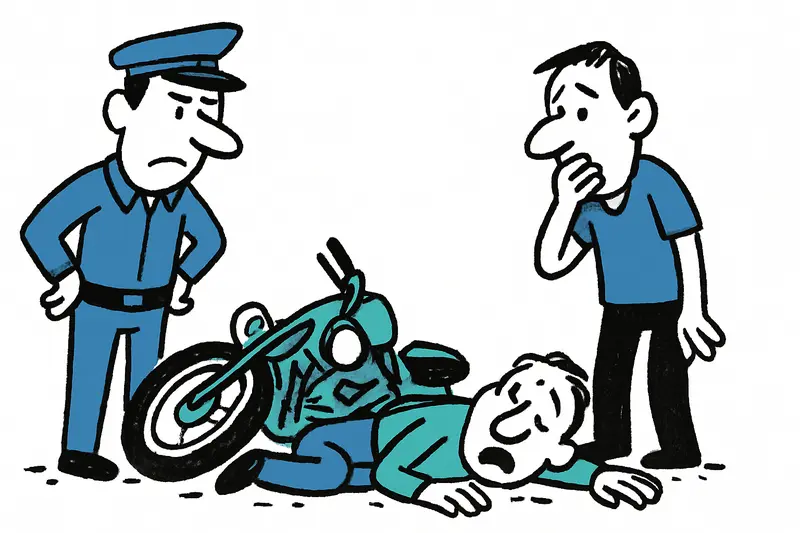
Stolen Motorcycle in Palma: Fatal Crash in Coll d'en Rabassa Shortly After Theft
A motorcycle parked on Plaza Miquel Dolç in Son Gotleu was reportedly stolen in the early hours. Hours later two men cra...
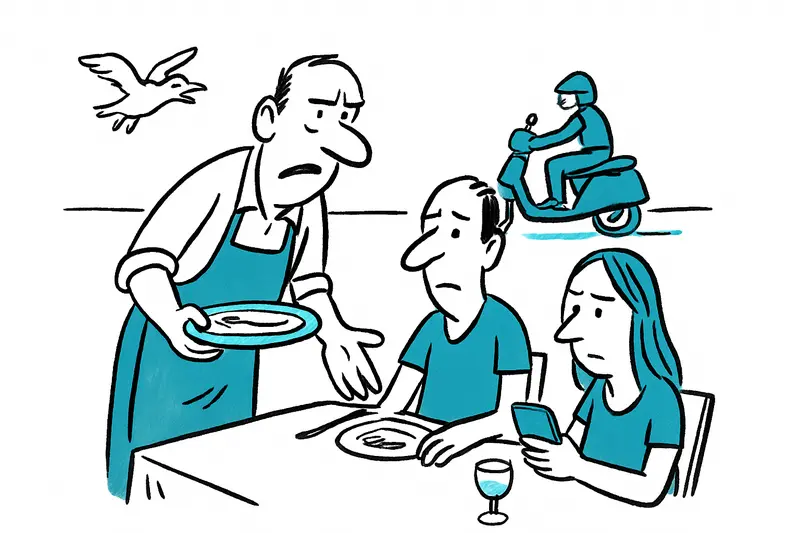
When More Guests Mean Less: Mallorca's Restaurants at the Limit
Despite record visitor numbers, the revenues of many restaurants are shrinking. Why more visitors don't automatically me...
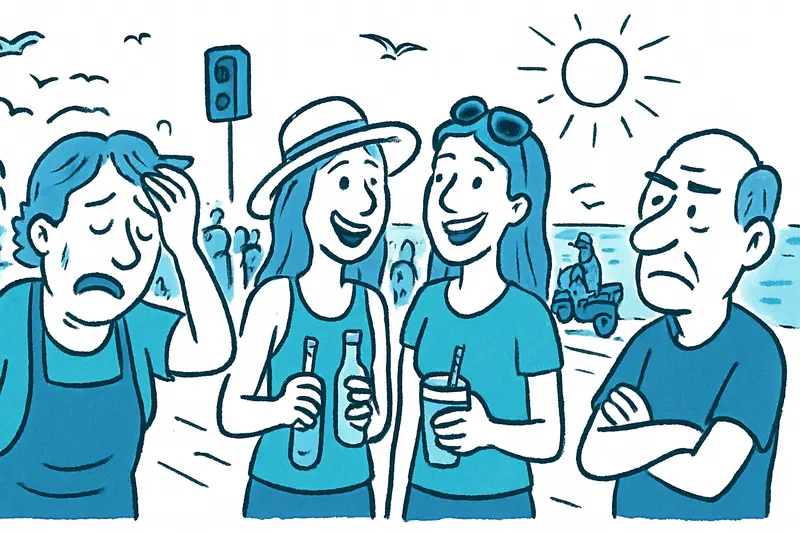
Ballermann 2026: Heat, crowded promenade and rising prices – how much longer?
Bright sunshine, over 35 degrees in the shade and busy venues at Playa de Palma: Tourists enjoy the parties, restaurateu...

Stolen motorcycle, high-speed escape, deadly crash: An accident in Palma that raises questions
A motorcycle stolen in Son Gotleu ended up hours later on the Cardenal-Rossell in Coll d'en Rabassa in a deadly collisio...

Found dead in Son Gotleu: Dog walk ends fatally — what is missing in the investigation?
A 68-year-old man was found dead on Sunday morning on Tomás Rullàn street in Son Gotleu. According to his partner, he ha...
More to explore
Discover more interesting content

Boat Tour with BBQ along Es Trenc Beach

Private transfer from Mallorca Airport (PMI) to Pollensa
