
When a giant tuna stirred up the beach in Marbella
A stranded, apparently injured tuna on El Ancón beach caused panic and helping hands on Saturday. What remained unresolved — and what should beaches do better in the future?
When a giant tuna stirred up the beach in Marbella
Saturday afternoon, sun, children with buckets — and suddenly a fish that appeared larger than many bathers expected: At El Ancón beach in Marbella a scene spun out of control when an apparently injured tuna surfaced a few meters from the shore, was washed onto the beach and fought fiercely for its life. Witnesses estimated the animal at around 300 kilograms; videos show a swimmer first fleeing in shock, then people trying to push the fish back into the water with loungers and chairs.
Key question
How should bathing beaches react when large marine animals suddenly strand near the coast or appear close to people — and why were professional procedures missing in this situation?
Critical analysis
What happened there was less sensational footage and more an intersection of nature, failures in fishing practices and the everyday operation of a busy coast. The images show a large predatory fish with a noticeable injury in the gill area; whether this was caused by nets, hooks, a collision with a boat or intraspecific fights remains unclear. Important is this: the first reaction of people on the beach was understandably helpful, but not necessarily professional. Large pelagic fish are heavy, suffer greatly from the pressure of their own weight on land and can be dangerous to helpers — through flailing tail strikes or infected wounds.
The fact that bystanders tried to push the fish into the sea with beach furniture speaks to civic courage, but also to the lack of clear protocols on site: Who is notified? Which rescue or environmental authority has priority? In Spain, different actors are responsible — local lifeguards, the Guardia Civil (Marítima) and Salvamento Marítimo — but whether and how quickly they were involved in such cases is not documented.
What's missing in public discourse
Online discussion quickly focused on size, speculation and film comparisons. Hardly mentioned, however, were: preventive marking of hazards from fishing, training for lifeguards in handling large marine animals and binding reporting chains between beach wardens and maritime operations centers. There is also often a lack of standardized behavior for bathers: keeping distance, not touching, calling professionals — that sounds simple, but in the heat of the moment is rarely strictly followed.
Everyday scene from Mallorca for context
You don't have to drive far to imagine the picture: On the Paseo Marítimo in Palma the day begins with delivery vans bringing ice and chiringuito furniture; in August there is a heat in the air that mixes the smell of seawater with coffee aroma. Lifeguards there are practiced in evacuating sunshades and enforcing beach rules, but with a several-hundred-kilogram tuna even Palma would initially have to improvise. That makes clear: our beach equipment (towels, chairs, umbrellas) is no substitute for specialized gear or clear alarm routines.
Concrete solutions
1) Establish reporting chains: On busy coasts there should be signs and info sheets that clearly state whom to call in unusual marine encounters (emergency number 112, local lifeguards, Salvamento Marítimo). 2) Training for beach personnel: Lifeguards must know basic procedures for stranded large fish — immobilization, documentation via photo/video, immediate notification of the responsible maritime authorities. 3) Keep special equipment ready: lifting slings, tarps or glide mats can help move the animal gently without endangering helpers. 4) Cooperation with fishery enforcement units: If the injury was caused by fishing gear, evidence preservation and targeted follow-up are important to prevent repeat incidents. 5) Public outreach: Short information for bathers (keep distance, do not touch, stay calm) should be part of beach safety — not just signs, but also short announcements during high season.
Conclusion
The images from Marbella are at first a record-worthy moment of summer chaos — but they should annoy us more than amuse us: they reveal gaps at the interface between natural events and human coastal use. Brave bathers helped the tuna; that is commendable. Even better would be that in future less improvisation and more preparation ensure that people and the sea remain equally safe.
Frequently asked questions
What should beachgoers do if a large marine animal strands near Mallorca's coast?
What professional roles should be involved when a big fish appears near a Mallorca beach?
How can Mallorca beach staff be better prepared for large marine animal incidents?
Are there guidelines for bathers about staying safe around wildlife on Mallorca’s beaches?
Could a large tuna or other big fish be dangerous to people trying to help on Mallorca’s beaches?
What lessons can Mallorca draw from the Marbella incident about coastal safety and reporting?
How do fishing practices relate to strandings and injuries of large marine animals near Mallorca?
What practical steps can Mallorca beaches take to improve public outreach about wildlife safety?
Similar News
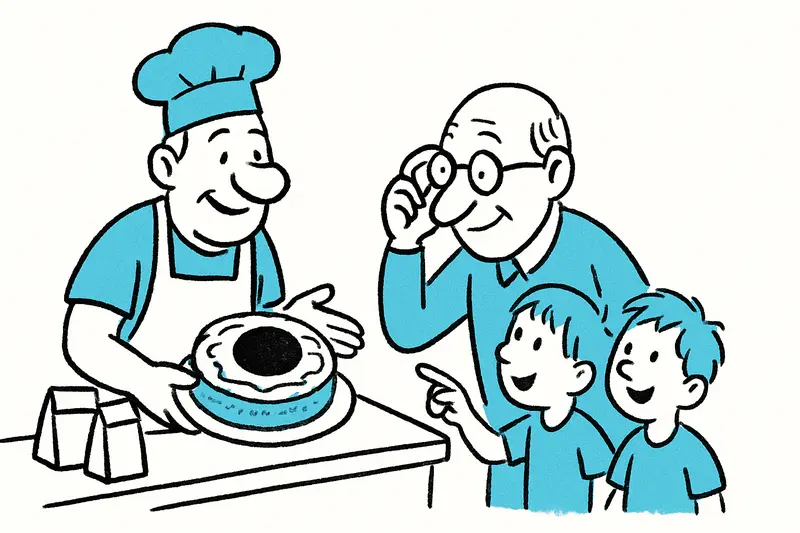
Pastel de Eclipse: Palma pastry chef bakes the solar eclipse
On Calle Pascual Ribot the traditional pastry shop Ángel is offering a limited 'Pastel de Eclipse' for the solar eclipse...
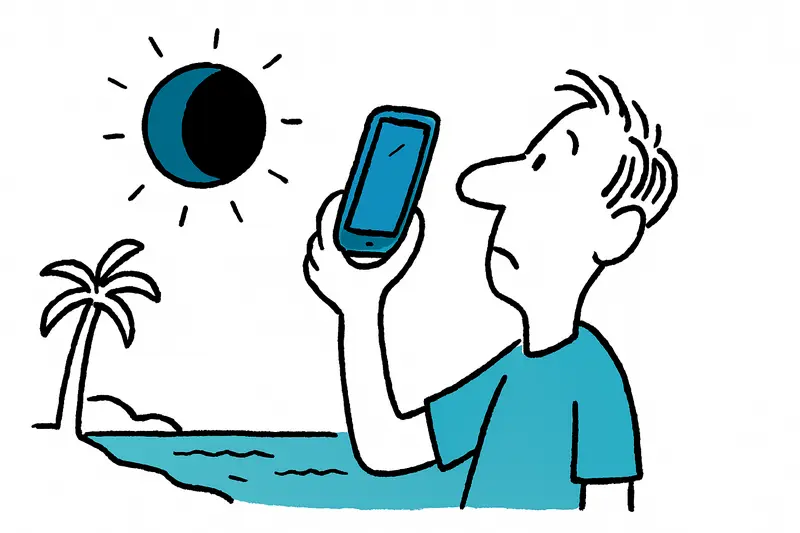
Solar eclipse: Can you safely photograph the sky spectacle in Mallorca with your smartphone?
In the evening the sky briefly darkens. Anyone who wants to capture the partial solar eclipse with their phone should pr...
Sky over Palma: What 17 Hot Days Really Mean for Son Sant Joan
Eurocontrol warns: In August, Palma airport risks capacity bottlenecks on 17 days. What that means for passengers, taxi ...

After Four Robberies: How a Suspect Could Stay Hidden for a Year — Arrest in Son Gotleu
After a series of four armed robberies in January 2025, the National Police arrested the last suspected perpetrator in a...

Champagne, Heat and Dance: A Summer Evening at the Mallorca Country Club
Around 250 guests celebrated in sweltering heat at the Country Club in Santa Ponça. Between the Champagne One premiere, ...
More to explore
Discover more interesting content

Boat Tour with BBQ along Es Trenc Beach

Private transfer from Mallorca Airport (PMI) to Pollensa
