

Thanks, Mom. Thanks, Dad. Thanks, Taxman? What the Gift Tax Exemption in Mallorca Really Delivers
Thanks, Mom. Thanks, Dad. Thanks, Taxman? What the Gift Tax Exemption in Mallorca Really Delivers
The abolition of the gift tax in the Balearic Islands relieved 5,089 recipients – €94.39 million stayed within families. A reality check: who benefits and who pays the price?
Thanks, Mom. Thanks, Dad. Thanks, Taxman? What the Gift Tax Exemption in Mallorca Really Delivers
Key question: Does the abolition of the gift tax in the Balearic Islands primarily relieve families, or does it open doors for new loopholes and inequalities?
Since 25 July 2025 there has been no gift tax on cash transfers between direct relatives in the Balearic Islands. In the first full year after the reform, official figures show that exactly 5,089 recipients were spared the tax – the tax office waived around €94.39 million. Extrapolated, this means an average saving of about €18,550 per person. For 392 cases in which cash gifts were used to buy a first property, the total saving amounts to just over €7.19 million, an average of around €18,341 per beneficiary.
The numbers sound like a gift to the middle class. But anyone who strolls down Carrer de Sant Miquel in the morning, hears delivery vans honking on Passeig Mallorca and watches families at the notary in Plaça d'Espanya senses that the story is not just black and white. Before the reform many cash flows were formally packaged as private loans, simply to avoid the seven percent tax. The new rule creates Legally Secure in Mallorca: Why Legal Guidance for Property Purchases Is Not a Luxury for such transfers - a plus for families who can now openly help their children without legal tinkering.
The view must be broader, however. The abolition coincided with major reliefs in Real Estate and Inheritances in Mallorca: Act Smart Now Before Rules Change for direct line heirs. Together almost 6,000 young people benefited from the easings; total savings exceeded the €100 million mark. That sounds like massive relief - but who benefits most? The official averages obscure the distribution: a generous property owner who transfers significant amounts to several children achieves far greater effects than a family with small savings.
A second point: non-residents can, under certain conditions, also benefit from the exemptions if the relevant assets are located on the islands (property or bank account). That opens opportunities but also questions: many home countries have their own allowances and tax liabilities; the domestic tax authority can therefore make subsequent claims. The topic of non-resident rights has been examined in Court Stops Discrimination: Why the Ruling Is Positive for Property Owners in Mallorca. In property transfers the giver also faces the municipal increase-of-value tax, known as Plusvalía; at the state level, if a sale is deemed speculative, a 19 percent tax applies to the gain. On paper the gift is tax-free, but in practice other charges often arise.
What is missing from the public debate? First, an honest accounting for municipalities: if tens of millions in revenues disappear each year, how should towns finance staff costs in offices or investments in schools? Eco-tax in Mallorca: Extra Costs, Frustration — and What Is Truly Missing examines debates around local charging mechanisms and revenue options. Second, an examination of whether the measure indirectly affects property prices because families can more easily provide start-up capital. Third, transparency: there is little reliable data on how many extremely large gifts are included.
Everyday scene: at the Santa Catalina market an older gentleman pays cash for his oranges and talks about the grandchildren who are just moving into their first apartment. Scenes like this explain the political pressure. Families want straightforward help - and that is understandable. But solidarity among relatives should not automatically become a tax haven.
Concrete proposals: 1) Reporting requirements with tiers - gifts above certain thresholds should be recorded transparently without burdening small, everyday help. 2) Targeted allowances for first-time buyers instead of a blanket zero rule could mitigate income inequalities. 3) For property transfers, municipal and state taxes (Plusvalía, speculation tax) should be reformed so that clear and fair rules apply. 4) For non-residents: mandatory information sheets on possible tax consequences in the home country to avoid unpleasant surprises. 5) Accompanying study: the government should report distributional effects after six and twelve months.
Conclusion: The abolition of the gift tax has indeed left many Mallorcans with more money and eliminated countless bureaucratic detours. But the calculation is more complex than the headline 'Tax gone, money left'. Anyone sitting under the plane trees on the Passeig and listening to the conversation about the house notices that this is not only about transfers between parents and children, but about questions of fairness, local public welfare and legal clarity. A reform that gives should also explain how the community will share the bill.
Frequently asked questions
Is there gift tax in Mallorca for money transfers between parents and children?
What do families in Mallorca actually save when gift tax is removed?
Can I use a tax-free gift in Mallorca to help buy my first home?
Do non-residents get the gift tax exemption in Mallorca too?
What other taxes can apply when giving property in Mallorca?
Why do people in Mallorca say the gift tax change may benefit wealthier families more?
What does the gift tax reform mean for public finances in Mallorca?
How should I handle a large family gift in Mallorca to avoid tax surprises?
Similar News

Micaela Schäfer: Between Playa de Palma and a Berlin Law Firm — New Calm, an Old Tomcat and Solid Finances
The party artist from the Ballermann scene appears surprisingly down-to-earth: a new relationship with a Berlin lawyer, ...
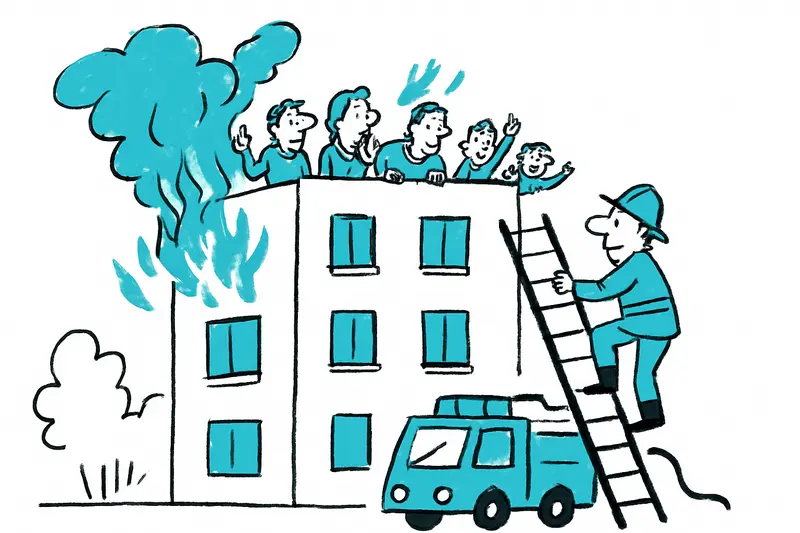
At Playa de Palma: Fire in Residential Building – six people rescued on the roof, what is missing in prevention?
In the evening a fire broke out on the first floor of a five‑storey building on Calle Trasimé. Six residents fled to the...
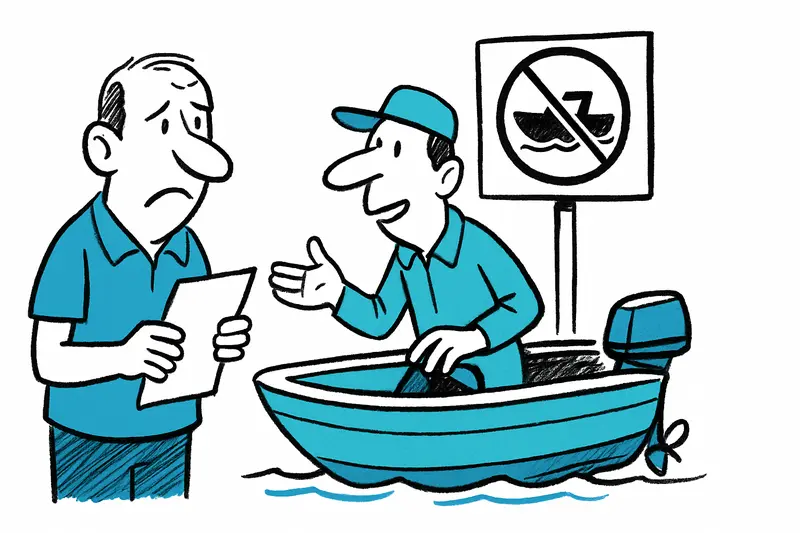
New License Requirement for Mini-Boats in Mallorca: Protection Measure or Tourism Brake?
From October 1 renters of small recreational boats in the Balearics must present a boating license. Critical questions r...
After the Storm: Mallorca Breathes Easy — Warm Weekend with Short Showers
The thunderstorm left its mark, but calm returns for the weekend: sun, summer temperatures around 32 °C, isolated shower...
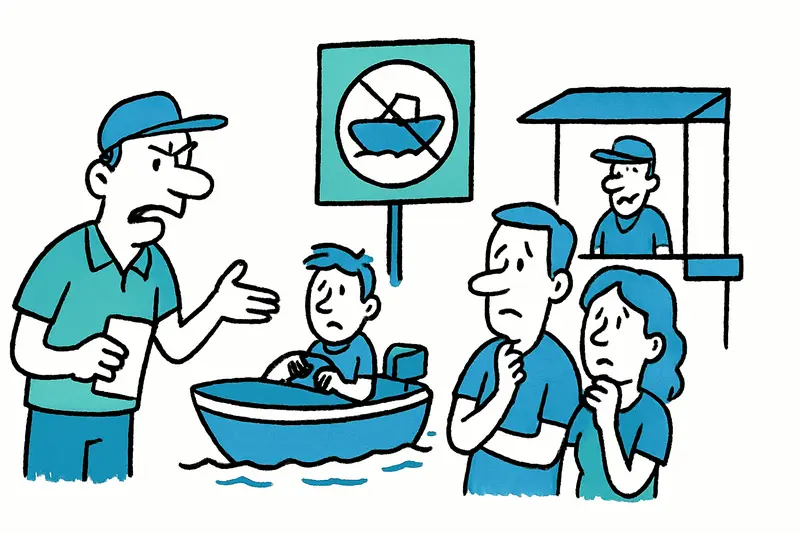
No More 'Just Hop on a Boat': Mallorca, Mandatory Boating License and the Open Questions
From October 1, the Balearic Islands will require a boating license for small rental boats under five meters/15 hp. A tr...
More to explore
Discover more interesting content

Boat Tour with BBQ along Es Trenc Beach
Private transfer from Mallorca Airport (PMI) to Pollensa
