
Palma: Network for banned tasers and brass knuckles dismantled – a reality check
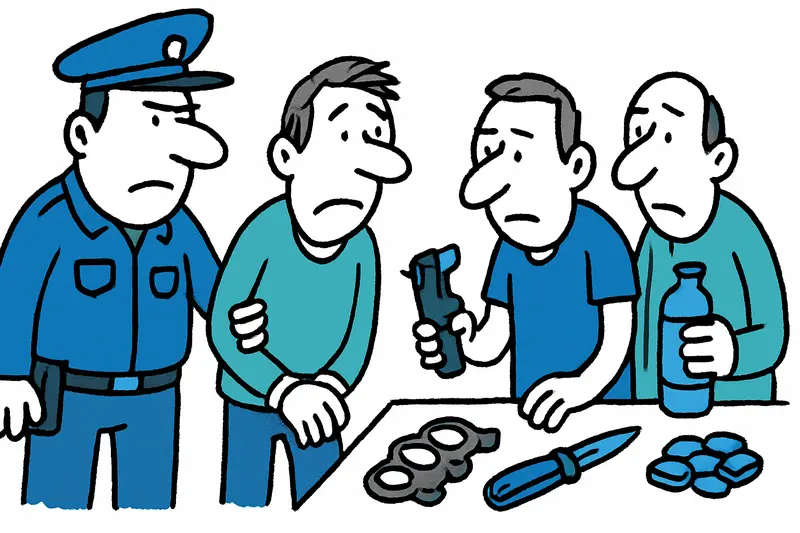
After an arrest in El Vivero: investigators seized taser replicas, brass knuckles, automatic knives and large quantities of anabolic steroids. How could the goods be distributed unnoticed across Spain?
Palma: Network for banned tasers and brass knuckles dismantled – a reality check
Arrest in El Vivero exposes weapons trafficking and doping substances – what the operation reveals and what is missing
Late one morning in Palma, the city still dusty from yesterday's tram sand, the Guardia Civil together with the Catalan regional police moved on an apartment in the El Vivero neighborhood. This was the kind of operation that concerned not just individual items, but an entire system: prohibited electroshock devices, extendable batons, brass knuckles and automatic knives – plus large quantities of anabolic substances.
Investigators called the operation Voltiocat-Cataleg. It echoes past actions like Operation 'Chanquete' in Palma: A Clampdown on Trafficking — and What's Still Missing. After the raid one suspect was arrested; evidence suggests the goods were not intended for personal use but prepared for sale. Supply routes apparently led as far as the Czech Republic, and distribution was digital: contacts via messenger apps, payments via fast transfer tools like Bizum or classic bank transfers, deliveries through parcel services straight to private addresses across the country.
Key question: How can a locally rooted dealer in Palma distribute banned weapons so widely and relatively untroubled? That question weighs more heavily in this arrest than the individual suspect. Control over cross-border supply chains, monitoring of payment flows and weaknesses in parcel services were evidently exploited here.
Critical analysis: On Mallorca you often see vans delivering bags of parcels to residential areas early in the morning. Parcel centers operate under high time pressure; spot checks occur, but comprehensive inspection of small shipments is practically impossible. At the same time, encrypted chats provide a direct line to customers without visible marketplaces. Payment services like Bizum are very convenient in daily life, but without mechanisms for fraud and pattern recognition they can also become a lightning rod for illegal trade. And when goods come from third countries, well-coordinated cooperation between customs, postal and police authorities is needed – here gaps remain.
What is too often missing from the public debate: demand. As long as there is demand for so-called “defensive weapons,” suppliers will appear. Schools, gyms, bars and certain corners of the city provide the clientele. Also insufficiently discussed is the role of parcel and payment service providers: they are not neutral pipes, they are part of the supply chain and could signal warnings if they wanted to. Debates about visible enforcement measures and their effects are reflected in local coverage such as Palma Tightens Controls: More Security — or a New Punitive Culture?.
Everyday scene: People sit on Passeig Mallorca with ice cream in hand, tourists photograph the cathedral, delivery drivers park at the curb. No one notices the small packages going to households. In El Vivero, beneath the plane trees, neighbors talk about the arrest; one mentions the gym community, another is surprised by the number of parcels constantly arriving in front of her building.
Concrete solutions: First, better equip parcel centers and introduce risk-based inspections – not every shipment, but those with certain origin markers and recipient patterns should be prioritized. Second, payment systems must expand cooperation with authorities; automatic anomaly detection can alert when repeated small amounts flow to many recipients. Third, messenger platforms should be more involved in developing reporting channels, without undermining general freedom of communication. Fourth, targeted prevention in local sports facilities and hotspots; health experts should educate neighborhoods about the risks of anabolic substances. Finally, cross-border police cooperation and stricter customs checks for defined product groups – especially for shipments from third countries. Discussions about enforcement intensity and public reception, such as Palma takes stock: 7,700 fines — success or just performative toughness?, show how complex the local response can be.
What would help operationally right away: a central reporting hub where neighbors or delivery drivers can anonymously report suspicious patterns; regular information briefings for parcel services; and a task force that reviews payment data in close, legally backed cooperation with banks.
Pithy conclusion: The arrest in Palma is a success, but not an end. One man can be arrested; the system that feeds him continues to exist – as long as demand, streamlined digital payment routes and fast parcel networks come together. Anyone who wants to make Mallorca safer must tackle several points at once: controlling shipments, transparency in payments and neighborhood prevention. Otherwise you'll soon be sitting again on the bench at the Passeig wondering why the packages keep coming.
Frequently asked questions
What kind of weather can I expect in Mallorca in April?
Is Mallorca warm enough to swim in spring?
What should I pack for a trip to Mallorca in April?
What is the best time of year to visit Mallorca for outdoor activities?
Is Palma a good place to visit in spring?
What is Deià like for a day trip in Mallorca?
Is Alcúdia a good base for a family holiday in Mallorca?
What should I know before visiting Sóller in Mallorca?
Similar News

When the Wallet Becomes a Danger: Attack in Peguera and Lessons for Mallorca
In Peguera, two women are said to have stolen the wallet from a 75-year-old German couple. When the victim intervened, t...
Plata stays Plata: Young people take over, Llonguets remain
A small bar on Carrer de l'Argenteria will continue: Tolo Serra hands the place over to young Mallorcans at the end of t...
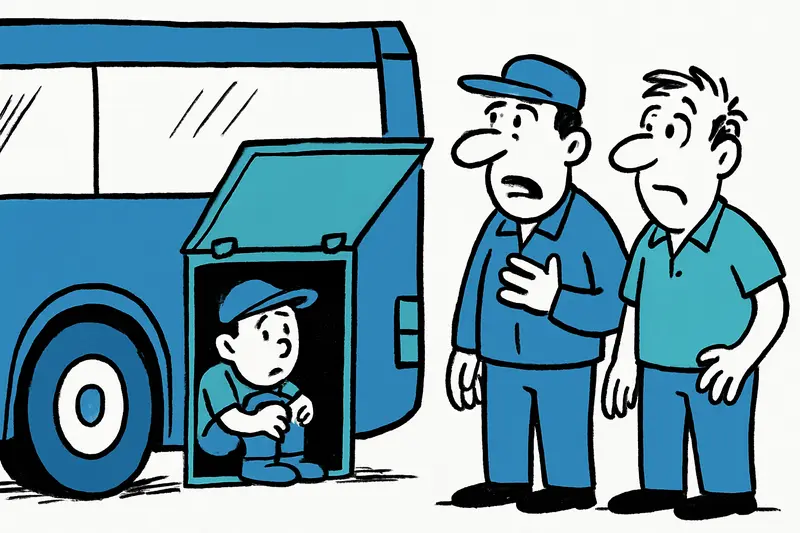
Unnoticed in the Luggage Compartment: How a Boy Traveled More Than 100 Kilometers in a Team Bus
A minor traveled in the undercarriage of a team bus for more than 100 kilometers until his cries for help were heard. A ...

Cap Vermell Grand: Second Michelin Key – a Gift for the East
The Cap Vermell Grand in Capdepera has been awarded its second Michelin key. For the region this elevates the luxury off...
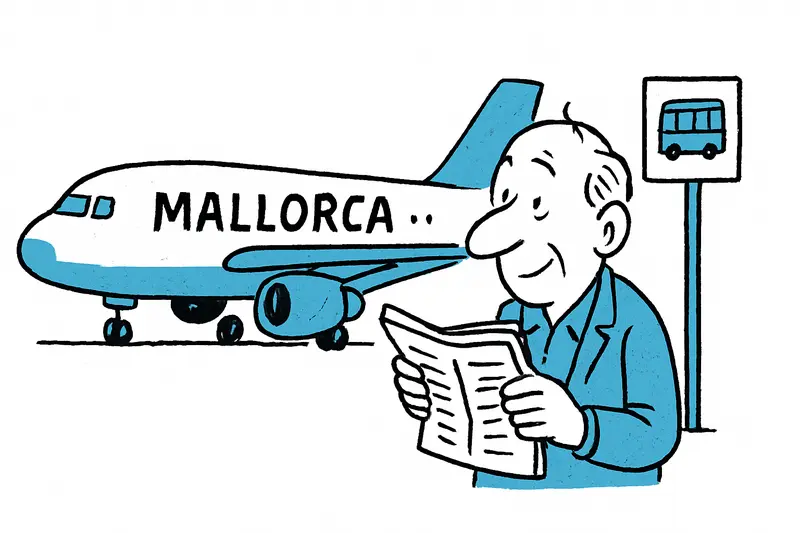
Eurowings lets four aircraft carry names – a friendly idea that also reaches Mallorca
Eurowings is launching a campaign: four Airbus A320s are to carry the first names of people who help others in everyday ...
More to explore
Discover more interesting content

Can Cap de Bou

Townhouse Lleo 72
