
Raid in Portocolom: Inspections against Illegal Yacht Rentals — a Reality Check
Raid in Portocolom: Inspections against Illegal Yacht Rentals — a Reality Check
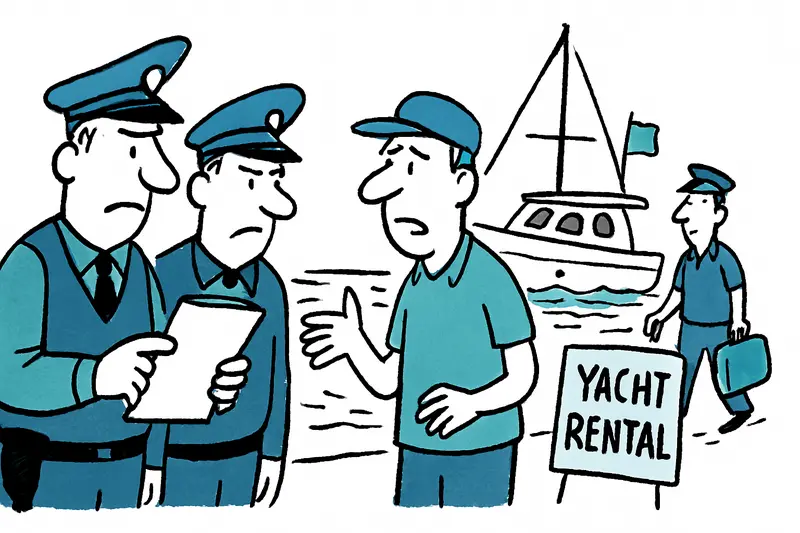
During nine inspections in and around the harbor of Portocolom, five possible breaches of rental and anchoring regulations were identified. That matters — but is it enough to permanently stop problems like damaged marine life and unsafe boating conditions?
Raid in Portocolom: Inspections against Illegal Yacht Rentals — a Reality Check
Key question: Are occasional inspections in Portocolom enough to effectively tackle the growing problems around illegal charters, improper anchoring and the strain on sensitive bays?
Early in the morning at the port of Portocolom there is the smell of diesel and freshly baked ensaimadas. Fishermen sort nets along the quay, a handful of charter customers shuffle sleepily from the café on Passeig del Mar to the boat. Right here — in and in front of the harbor — a total of nine inspections were recently carried out, similar to increased patrols discussed in More Controls at Sea: Cala Ratjada in Focus — Are the Measures Enough?. According to the operation statistics, the authorities issued five reports and two formal notices; three reports originate from checks in the harbor, two from the surrounding waters.
This is not harmless paperwork: illegal rentals often mean missing insurance, no checks of the crew and lack of passenger information. Wild anchoring can damage Posidonia meadows and rocky coastal stretches — with consequences for fish, seaside restaurants and the local fishing economy, as highlighted in Drunk Boats, Battered Bays: When Private Boat Rentals Put Mallorca's Coasts at Risk. That the regional authority for the sea and water cycle provides a fleet of 22 boats for inspections shows the situation is being taken seriously. Still, important questions remain.
Critical analysis
First: inspections and reports are reactive. They intervene immediately when there is suspicion, but they address where a violation becomes visible. Many violations arise in a legal gray area: short-term private rentals via digital platforms, linked to concerns examined in Between Waves and Berth: Mallorca's Problem with 'Floating Holiday Rentals', lack of standardized documentation of charter contracts, or boats that formally belong to a company but are effectively rented out to third parties. Second: sanctions alone only change behavior to a limited extent if enforcement is patchy or the profitability of illegal offers outweighs the risk of a fine.
Third: environmental protection and tourism interests often collide on equal terms. Inspections protect bays immediately, but without systematic prevention the problem returns — at the latest when the density of checks decreases. Fourth: on-site inspections are important, but not sufficient without support from data and digital tracking of charter activities.
What is often missing in the public discourse
There is too little discussion of structural causes: lack of transparency in the brokering of charter contracts, unclear responsibilities between ports, the municipality and the regional administration, as well as the lack of realistic, graded penalties that truly deter illegal operators. The perspective of boat owners who want to operate legally is often neglected: many complain about distorted competition from providers who bypass the rules.
Everyday scene from Portocolom
In the afternoon boats rock in Cala Marçal, children let their ice cream drip down their hands, shell vendors shout. Still, you sometimes see poorly marked inflatables with sun loungers at anchor, shuttling between tourists and fishing paths, echoing reports such as Trouble over license-free boat rentals: When Es Carbó becomes a racetrack. Scenes like these explain why residents and businesses are getting louder: noise, litter, and occasional maneuvers that erode safety.
Concrete proposed solutions
- Unified, publicly accessible charter register: mandatory information for every rented boat (owner, insurance, permitted passenger number, name of the charter company); - Digital vessel identification requirement for short-term rentals: simple linking of booking platforms with authorities for rapid checks; - Tiered sanction model combined with mandatory training for repeat offenders: fines, temporary rental bans, compulsory safety inspections; - Expansion of coordinated inspections: ports, municipality and the 22-boat fleet should implement fixed annual check cycles plus random spot checks; - Prevention campaigns before the season in ports and marinas: clear guidance for skippers on anchoring rules, protecting Posidonia and emergency numbers; - Local hotline and online reporting platform for residents and fishers, supplemented by fast mobile response teams.
Many of these proposals are not new — but their implementation would be visible and would not only produce reports, but also strengthen residents' trust and protect law-abiding operators.
Pointed conclusion
The recent inspections in Portocolom are a necessary step. But they are not the end of the story, rather the start of an honest inventory: do we only want to regularly sanction violations, or do we want to organise the system so that illegal offers are not attractive in the first place? The answer will decide whether Cala Marçal and the harbor will remain quieter, cleaner and safer for everyone — and whether the 22 inspection boats can make their role permanently visible.
Frequently asked questions
When is the best time to visit Mallorca for good weather and fewer crowds?
Can you swim in Mallorca year-round?
What should I pack for a Mallorca trip?
How can I get around Mallorca on a budget?
What activities are popular in Mallorca?
What should I know about Mallorca's weather?
Is Mallorca safe for swimming and family trips?
Are there must-see places in Mallorca?
Similar News

High heel slips, car accelerates: accident on Camí de Son Hugo
A woman lost a high-heeled shoe on the forecourt of the sports facility at Camí de Son Hugo. The car accelerated, mounte...

Phone Scam: How Two Hotel Employees at Playa de Palma Lost Thousands of Euros
One morning in September, two reception employees at Playa de Palma were pressured by alleged alarm-company staff — in t...

When the Wallet Becomes a Danger: Attack in Peguera and Lessons for Mallorca
In Peguera, two women are said to have stolen the wallet from a 75-year-old German couple. When the victim intervened, t...
Plata stays Plata: Young people take over, Llonguets remain
A small bar on Carrer de l'Argenteria will continue: Tolo Serra hands the place over to young Mallorcans at the end of t...

Unnoticed in the Luggage Compartment: How a Boy Traveled More Than 100 Kilometers in a Team Bus
A minor traveled in the undercarriage of a team bus for more than 100 kilometers until his cries for help were heard. A ...
More to explore
Discover more interesting content

Can Cap de Bou

Townhouse Lleo 72
