
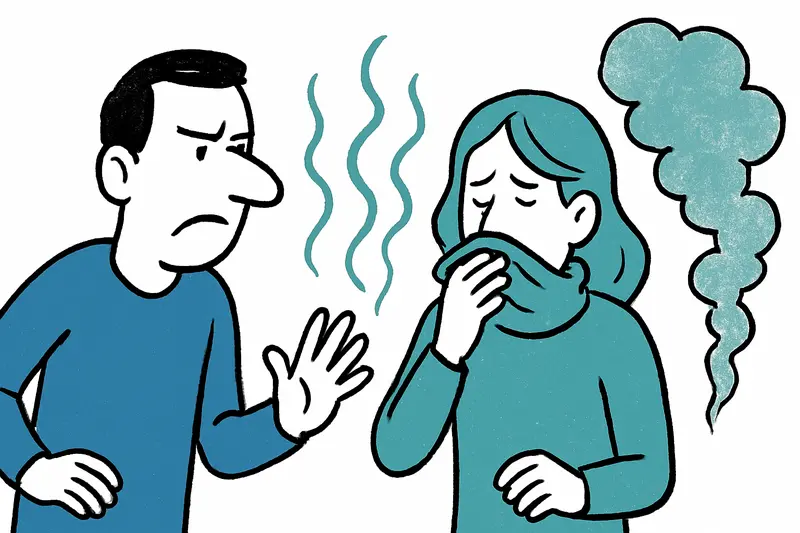
Smell of Burning on Mallorca: When Smoke from Distant Fires Arrives
Smell of Burning on Mallorca: When Smoke from Distant Fires Arrives
Sunday afternoon: Mallorca smelled of smoke even though nothing was burning locally. Wind and thunderstorms carried ash and smoke clouds from southern France to the island. What does this mean for air quality, preparedness and local communication?
Smell of Burning on Mallorca: When Smoke from Distant Fires Arrives
Key question: How well is Mallorca protected against the effects of widely transported smoke — and what is missing when the smell of burning drifts across the island?
What happened on Sunday
On Sunday afternoon residents in municipalities such as Artà, Sant Llorenç and Inca reported a noticeable smell of smoke. Meteorological conditions — strong winds combined with an active thunderstorm warning for the Balearic Islands — carried ash and smoke streams from distant wildfires to Mallorca, a sequence described in Sudden Severe Weather: Mallorca Between Heat Haze and Heavy Rain. Authorities pointed out that the observations are connected to fires in southern France and in Castellón on the mainland, as documented in Spain is Burning: Fire Traces as Far as Mallorca – Is the Country Really Prepared?. On Menorca the smoke was even reported as visible.
At the same time there was a small forest fire on the island near Cala Murada in the municipality of Manacor. According to local reports the fire damaged about half a hectare of pine forest and was initially reported as contained shortly before 17:10. It apparently remained locally limited and was not the cause of the widespread smell many people perceived; local alerts had been in effect, see Mallorca on Alert: Highest Wildfire Warning Level.
Critical analysis: More than just an unpleasant smell
Smoke from distant fires is not a harmless side issue. Fine particles and gaseous pollutants can travel long distances and significantly worsen air quality. People with respiratory diseases, children, older residents and sensitive pets are particularly affected. On Mallorca, where many people sit outdoors on squares, open windows widely and cafes are full, a sudden exceedance of pollution levels can quickly become a health issue.
On the occasion of the incident it becomes clear that our island is noticeably affected by events outside its immediate jurisdiction — and that this is often underrepresented in public debate. The current communication remained rather reassuring: it was confirmed that there are no active fires in the Balearics at the moment, but concrete information on air quality, behavioral recommendations or temporary measures were missing in many places.
What's missing in the public discourse
- Real-time air data: Many people wonder whether they should ventilate with open windows, exercise outdoors or close windows. Clear displays of fine particulate pollution (PM2.5/PM10) in the municipalities are missing or hard to access.
- Clear behavioral guidance: A simple recommendation for schools, care homes and outdoor workers on how to react to a sudden influx of smoke was not present nationwide.
- Protection for the vulnerable: Information for pharmacies, general practitioners and neighborhood networks on how to support at-risk groups on short notice was not coordinated across the region.
Daily life on the island
On Passeig del Born in Palma the terraces were as full as always; a few metres away a woman on Plaça Major smells the air and pulls her jacket tighter. In Inca, at the weekly market, vendors were puzzled by the metallic scent on the wind. In the countryside, in Campos and around Artà, guests at holiday homes complained that their barbecue smell was mixed with something else — the smell of burning that did not originate here. These small scenes show: the island feels distant fires, and people notice it between everyday life and vacation.
Concrete solutions — feasible and local
1) Visible air data: The Balearic government and the municipalities should better network existing fine dust sensors and publish the values live and in an easily understandable way (traffic-light system for the public and schools).
2) Emergency guidelines for smoke events: Standard protocols for schools, care homes, construction sites and hospitality businesses to be activated when smoke transport occurs — e.g. close windows, switch on air purifiers, avoid physical exertion outdoors.
3) Raising awareness among pharmacies and GPs: Stock of simple protective masks (FFP2), information leaflets for risk groups and quick phone chains for support.
4) Regional cooperation: Coordination with weather services (AEMET), as in Mud Rain and Saharan Dust: Why the Weather Change Is Stirring Mallorca, and neighboring administrations to communicate transport forecasts early and issue targeted warnings.
5) Local forest management: More consistent maintenance of protective strips in municipalities, controlled burning in safe seasons and better accessibility for fire trucks in narrow access routes.
Conclusion — not alarmism, but more preparation
The smell of burning on Sunday was not a reason to panic. But it should wake us up: Mallorca is not isolated. Smoke knows no borders, and its health effects can be felt locally. What is missing now are clearer local information, better real-time data and actionable behavioral rules for citizens. A bright warning to politicians: we need practical preparedness, not just soothing lines on social networks. When the air becomes poor, it must not only be recorded but also explained in a way everyone understands — before the neighbor at the market coughs and the terraces empty.
Frequently asked questions
When is Mallorca at its best for beach weather and outdoor activities?
What should I pack for a trip to Mallorca?
Are there family-friendly beaches in Mallorca?
How easy is it to get around Mallorca without a car?
What are classic towns to visit in Mallorca?
Is it good to swim in Mallorca outside peak summer?
Do people in Mallorca speak English, and should I learn some Catalan?
What should I know about Mallorca’s weather and seasonal winds?
Similar News
When the Wallet Becomes a Danger: Attack in Peguera and Lessons for Mallorca
In Peguera, two women are said to have stolen the wallet from a 75-year-old German couple. When the victim intervened, t...
Plata stays Plata: Young people take over, Llonguets remain
A small bar on Carrer de l'Argenteria will continue: Tolo Serra hands the place over to young Mallorcans at the end of t...
Unnoticed in the Luggage Compartment: How a Boy Traveled More Than 100 Kilometers in a Team Bus
A minor traveled in the undercarriage of a team bus for more than 100 kilometers until his cries for help were heard. A ...

Cap Vermell Grand: Second Michelin Key – a Gift for the East
The Cap Vermell Grand in Capdepera has been awarded its second Michelin key. For the region this elevates the luxury off...
Eurowings lets four aircraft carry names – a friendly idea that also reaches Mallorca
Eurowings is launching a campaign: four Airbus A320s are to carry the first names of people who help others in everyday ...
More to explore
Discover more interesting content

Can Cap de Bou

Townhouse Lleo 72
