

Real Estate and Inheritances in Mallorca: Act Smart Now Before Rules Change
If you own or plan to buy a house or finca in Mallorca, you should review inheritance and gift issues now. Deadlines, reference values and possible reforms from Madrid can be costly — we explain what matters.
Why act now? A guiding question
The central question is: How can I protect my Mallorcan property fiscally and legally so that children, partners or other relatives are not confronted with unpleasant surprises later? It sounds banal, but it is not. Between the church bells in Palma and the cries of the seagulls at the harbor, tax traps hide that can quickly become expensive amid bureaucratic hustle and bustle (this is especially true for non-resident owners: Almost every second property in the Balearic Islands in foreign hands – what does this mean for Mallorca?).
The hard deadlines: do not underestimate inheritance tax
In Spain, inheritance tax must generally be paid within six months after the time of death. This is not a recommendation, it is law — and practice is often harsher than an afternoon on the beach without sun protection. Those who miss the deadline risk paying late-payment surcharges. An extension is possible, but must be actively requested and no later than after five months. Many affected persons only realize too late that documents from their home country are missing or that translations take some time. Professional help is not a luxury, as explained in Legally Secure in Mallorca: Why Legal Guidance for Property Purchases Is Not a Luxury.
Important: Even if no tax is ultimately due (so-called zero returns), submitting the documents is mandatory. That sounds like a footnote — but it can become expensive if overlooked.
Anticipated inheritances: the five-year consideration
Often overlooked are the tax effects of anticipated inheritances. A transfer during lifetime can — depending on timing and valuation — bring significant advantages. A five-year period plays a role here: those who transfer early and take the time span into account can reduce tax disadvantages on a later sale of the property. However, much depends on the new reference values in the land registry. These values influence assessment bases and can be both a blessing and a stumbling block. Therefore: check numbers and timeframes carefully, preferably with experts.
Gifting instead of bequeathing? Opportunities and legal pitfalls
For many families, an early transfer is attractive. On the Balearic Islands the conditions for intra-family transfers are currently comparatively favourable. Solutions such as compensation payments in exchange for waiving forced heirship shares are possible and can reduce tax burdens. But Spanish inheritance law knows the "legítima" (forced share) — meaning: not everything can be rearranged at will. Those planning gifts should simultaneously clarify how forced-share claims can be excluded or compensated so that there are no inheritance disputes later.
The often underestimated area: reference values and document hassles
An issue that receives little attention in public debate: the new reference values (valores de referencia) from the tax authority. They change the assessment basis for transfers and can significantly raise the taxable value. At the same time, missing or incorrectly certified documents from abroad lead to delays. Translations, apostilles, death certificates, marriage certificates — the jumble can take weeks, sometimes months. During this time deadlines continue to run.
Possible reforms from Madrid – why the risk urges action now
Rumours about a centralized minimum inheritance tax create uncertainty. If Madrid enforces uniform minimum regulations, previously favourable regional rules in the Balearics could lose their value. Experts therefore advise checking in the short term whether tax advantages can be secured through gifts, partial gifts or anticipated inheritances before new rules take effect. Current allowances — for example up to three million euros in certain asset considerations — make some options particularly attractive now. But: not every solution fits every family.
Concrete steps: how to reduce risks
A pragmatic roadmap: First: create an inventory – land registry extract (nota simple), mortgage status, wills, prenuptial agreements. Second: enter deadlines in the calendar; six months until tax payment, request extension no later than after five months. Third: have reference values reviewed; an expert appraisal can help avoid unpleasant surprises. Fourth: seek legal advice on gifts/forced-share issues — preferably German-Spanish. And fifth: collect and certify documents early, plan translations.
On-site advice: what to expect
Thorough law-firm advice provides not only legal certainty but often tangible financial savings. German-Spanish firms in Palma know the local specifics — from the notary to the Registro de la Propiedad — and can speed up procedures. They also understand local market quirks, such as the prevalence of cash purchases (Why so much property buying in Mallorca is paid in cash — and what that means for the island), which can affect transaction handling. That saves nerves, time and money. Those who approach the matter without a plan often pay more than necessary.
Conclusion: Don’t panic, but don’t lose time
Mallorca remains an attractive location for second homes and family heirlooms. The rules are not static and the details make the difference. Our recommendation: stay calm, but act. Review your portfolio, gather documents and talk to experts. That way the finca by the sea remains a piece of life’s enjoyment — and not a bureaucratic nightmare.
Note: As a point of contact, local firms in Palma offer German-Spanish advice and support for all steps, from applying for a tax-deadline extension to structuring compensation agreements for waiving forced shares. One example is an office near Carrer de Catalunya that explains which documents are often missing and how to reliably meet deadlines.
Frequently asked questions
What should I do first if I inherit property in Mallorca?
How long do I have to pay inheritance tax in Mallorca?
Do I still need to file inheritance documents in Mallorca if no tax is due?
Is it better to gift Mallorca property during my lifetime or leave it as an inheritance?
What are the new reference values for Mallorca property and why do they matter?
Can the forced-heirship rule affect a property gift in Mallorca?
Why do foreign owners in Mallorca need to be especially careful with inheritance paperwork?
Should I get legal advice in Palma for inheritance and property transfers?
Similar News

When coercive fines aren't enough: Could holiday rental owners soon face prosecution?
The island administration is stepping up action against unauthorized holiday rentals: high daily coercive fines up to €5...

Palma Airport on an Expansion Course — Who Decides How Much Growth the Island Needs?
Aena and Madrid are planning multi-million euro investments for Son Sant Joan and project higher capacities. Concern is ...
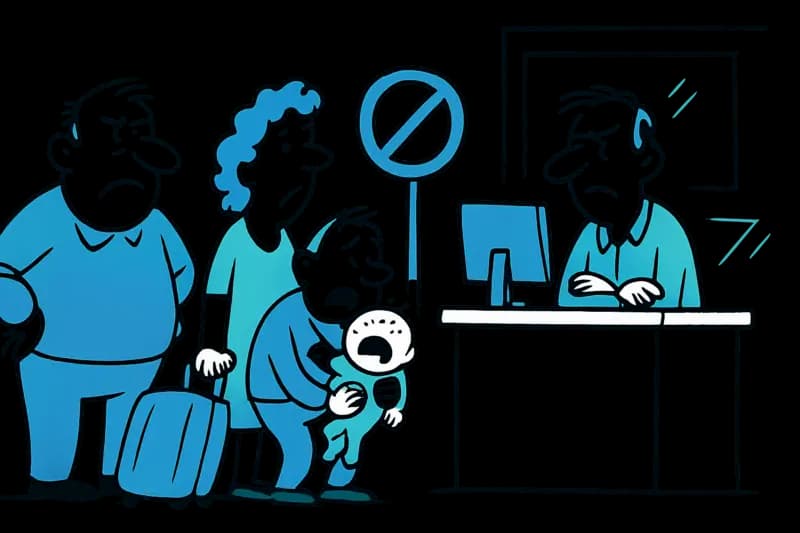
Who Gets Left Out? Why Overbookings Will Hit Many Mallorca Travelers This Summer
On hot check-in days at Son Sant Joan, frustrated travelers pile up. New figures from Reclamador.es show that a large sh...
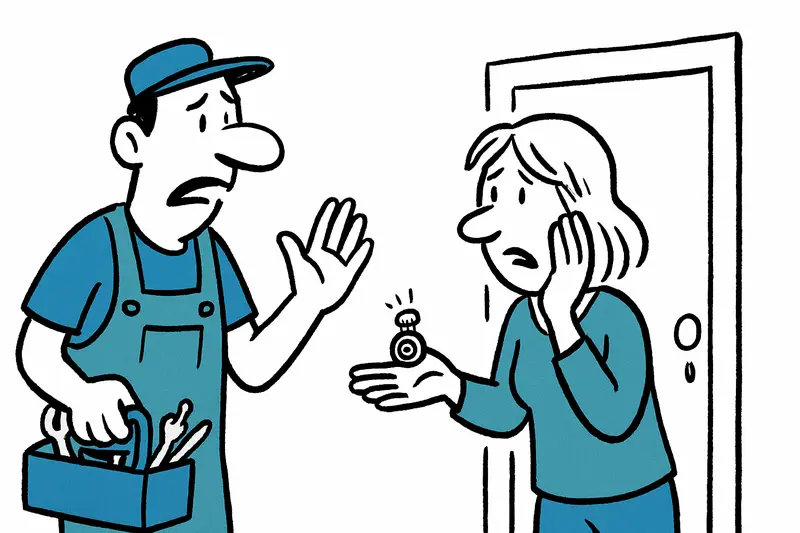
When the Handyman Came: How an Engagement Ring Disappeared in Mallorca and What It Says About Trust
During a repair in Andratx a highly personal engagement ring went missing — a case that calls not only for punishment bu...
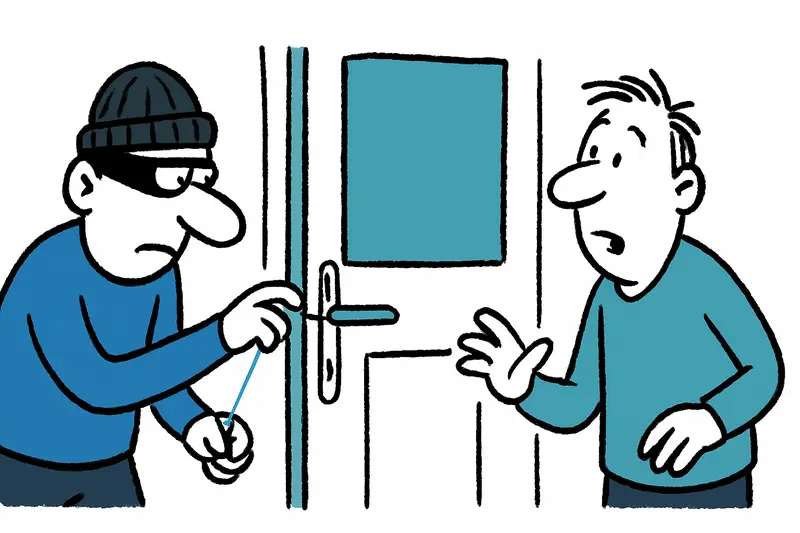
How Burglars Test Fincas in Mallorca — and What You Can Do About It
The Spanish National Police warn of a simple but effective trick: small markings on doors reveal whether a finca is occu...
More to explore
Discover more interesting content

Can Cap de Bou

Townhouse Lleo 72
