
Gorg Blau and Cúber: The reservoirs in the Tramuntana are two-thirds full
Gorg Blau and Cúber: The reservoirs in the Tramuntana are two-thirds full
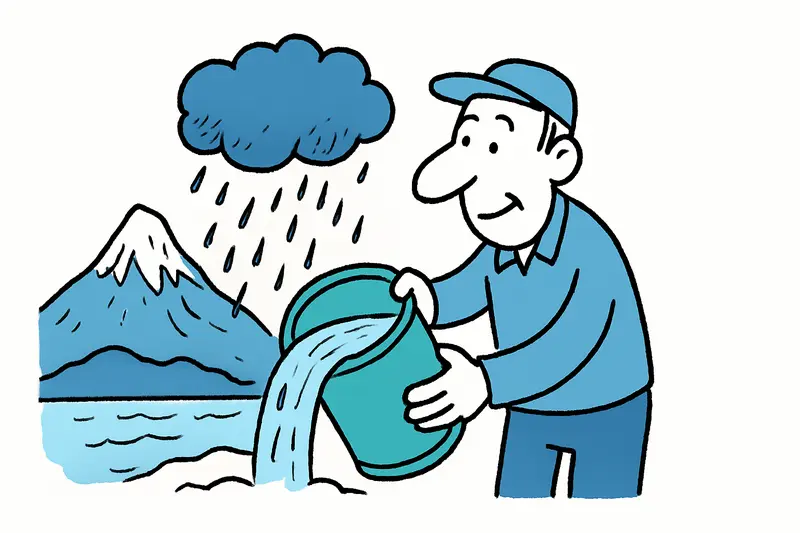
Snow and rain are filling the drinking water reservoirs: Gorg Blau and Cúber are currently at around 62 percent capacity. For Palma and the Tramuntana, this means less stressful weeks.
Gorg Blau and Cúber: The reservoirs in the Tramuntana are two-thirds full
Snow at the end of January and rain over the weekend have noticeably refilled the drinking water stores
If you drive these days on the road to Sóller, you can see it: the air smells of wet earth, the mountain peaks are still dusted white, and water runs cheerfully from the small streams toward the valleys. Up high, in the reservoirs of the Serra de Tramuntana, this is reflected in the numbers. The two storage lakes Gorg Blau and Cúber are now at roughly two-thirds capacity — recent measurements report just over 62 percent.
The change happened quickly: in mid-January the lakes were significantly lower, as earlier coverage noted in When the reservoirs shrink: How Mallorca's water shortage affects Palma and the villages. On January 19 the average reserve level was around 42 percent; only ten days later it was already well over 60 percent. The combination of snow at the end of January and the rainfall last weekend has pushed the levels up further. For Palma's water supply this is a noticeable relief: more reserves mean larger buffers for dry periods and less pressure on emergency measures.
The sound of dripping, the rumble of a tractor over wet gravel, the calls of hikers on the Camí de s’Arxiduc — such small things show how much weather and water change everyday life here. Residents in Esporles and Bunyola say the plants look greener, some garden wells are filling again, and the humidity in the air lingers longer than it did a few weeks ago.
The result is welcome for agriculture in the valleys: olive trees, almond groves and vegetable crops can hope for somewhat more relaxed irrigation schedules. Small hotels and restaurants that had to conserve water in the low season also see more stable supplies as a chance to plan water use better. Earlier worries about low levels were detailed in Why Mallorca's reservoirs remain empty despite rain — a reality check.
It remains important that this is not just a one-off refill. The Tramuntana acts like a sponge: rain and snow must seep in slowly to feed the underground reservoirs. Intense showers hold water on the surface, while a longer moist period has a more sustainable effect. You can notice this in daily life: after heavy rain the streams run quickly and loudly, whereas after prolonged precipitation springs remain more stable.
What this means specifically for Palma: the municipal water supply now has larger buffers, making short-term supply bottlenecks less likely. That eases the work of the responsible operators and gives households and businesses more planning security. It is also a plus for the tourist season and the watering needs of public spaces.
A small everyday tip to finish: if you're thinking of Mallorca now, pack your hiking boots. The trails in the Tramuntana are currently softer, the air clearer and the morning light particularly beautiful. A walk around Gorg Blau — keeping distance, respecting nature and wearing sensible footwear — shows how closely people, landscape and water are linked here.
The situation remains worth watching, but the recent fill levels are welcome news for island residents. For continued reporting see Mallorca: Reservoirs remain conspicuously empty despite rain and snow. The mountains have absorbed water again; you can hear it when you step out onto a balcony in Palma in the evening and the Tramuntana seems like a calm breath in the distance.
What remains: The reservoirs Gorg Blau and Cúber are currently roughly two-thirds full. This provides more security for Palma's water supply and brings a bit of everyday relief for farmers, businesses and residents of the Tramuntana.
Frequently asked questions
How full are the Gorg Blau and Cúber reservoirs in Mallorca right now?
Why have Mallorca’s reservoirs filled up again so quickly?
Does the current reservoir level help Palma’s water supply?
What does the recent rain mean for agriculture in Mallorca’s Tramuntana?
Is it a good time to hike near Gorg Blau in Mallorca?
Why are the Tramuntana mountains so important for Mallorca’s water supply?
What changed for residents in Esporles and Bunyola after the rain?
What should you pack for a winter walk in Mallorca’s Tramuntana?
Similar News

Car on MA-13 near Inca in flames – a safety check for the island
A vehicle caught fire on the MA-13 towards Alcúdia on Tuesday afternoon. The driver was uninjured, the car was destroyed...

Real Estate in Mallorca: Fewer Buyers, Higher Prices — What's Behind It?
Sales on Mallorca are falling, yet prices continue to climb. Why fewer transactions do not equal relief — and what shoul...
Just Bought — Already Trouble: Water Damage in the Heiters' Villa and What Owners in Mallorca Should Know Now
A newly purchased sea-view property — and within days a water damage. What risks lurk in new properties in Mallorca, and...

Rich, Richer, Mallorca? A critical look at the growing super-rich bubble
Numbers: Around 3,600 millionaires in the Balearic Islands hold a combined €27.6 billion. What this concentration of wea...

Chain reaction on the MA-1: Eight injured in rear-end collision near Portopí
On Tuesday morning there was a crash at the Andratx exit to the MA-1 towards Palma: a rear-end collision between a car a...
More to explore
Discover more interesting content

Can Cap de Bou

Townhouse Lleo 72
