

Gottschalk's Farewell: How Palma's Arena Briefly Became Germany's Summer Stage
Gottschalk's Farewell: How Palma's Arena Briefly Became Germany's Summer Stage
Thomas Gottschalk has stepped away from the spotlight. For Mallorca, memories remain of five major evenings at the Coliseo Balear – loud cheers, celebrity visits and the realization that the island is more than just a backdrop.
Gottschalk's Farewell: How Palma's Arena Briefly Became Germany's Summer Stage
Five performances, many guests, and an arena that now stands silent
On Saturday, Thomas Gottschalk definitively withdrew from television. The 75-year-old presenter spoke openly about his cancer diagnosis and said that TV stages and live audiences are now a thing of the past for him. In Mallorca, these words trigger a mixture of melancholy and gratitude: for years the island was a place where major Saturday-night entertainment merged with a summery atmosphere.
Between 1999 and 2011 the show he hosted returned to Palma five times – the dates remain fixed in memories: 1999, 2007, 2009, 2010 and 2011. The Plaza de Toros, the Coliseo Balear, was transformed on those occasions into an open living room for millions of viewers. International stars took the stage: from Montserrat Caballé and Sophia Loren to Ricky Martin and Enrique Iglesias, to Bon Jovi, Cameron Diaz, Jennifer Lopez, Heidi Klum and Lionel Richie. German celebrities such as Otto Waalkes and Michael Ballack were also among the guests. One special moment stands out: in 2011 Frank Elstner briefly took over the hosting, while Gottschalk later appeared unexpectedly as a guest.
If you walked through Palma's old town on a summer evening back then, you felt the effect: more taxis, rattling shuttle buses to the arena entrance, waiters with full trays, tourists swinging their cameras. On the Passeig des Born you could hear conversations in several languages; in cafés locals and visitors sat side by side and watched as Palma's name was carried into German living rooms for an evening.
The broadcasts brought more than just spotlight to the island: they created visible weekend prosperity for hotels, restaurants and shops. At the same time they drew attention to Mallorca as an event location, also because international celebrities animated the streets and generated media attention.
Today the situation is different. The Coliseo Balear is no longer usable for large events; structural defects have prevented a repeat of that format. The closure of the arena marks a break between that TV era and the present – and it reminds us how closely cultural events depend on infrastructure.
Gottschalk's withdrawal nevertheless offers the island something valuable: an occasion to remember a phase that made Mallorca visible as the setting for major entertainment formats. Memories work like small lighthouses: they bring people together, spark conversations and provide an incentive to preserve cultural heritage. In cafés at the Plaza Mayor you can still hear anecdotes about those evenings, when locals associate a guest's name with a smile.
That can lead to concrete ideas. Instead of waiting for large productions, local initiatives could fill the gap: small open-air series, productions in renovated historic courtyards or a community exhibition on Palma's television history that assembles photos, posters and personal mementos. Such projects require little glamour but do need commitment from municipalities, cultural associations and entrepreneurs.
In the end one image remains: the arena, once the scene of loud cheers, is currently quiet. The memories of those five summer evenings have remained vivid. For Mallorca this means not only farewell but also opportunity: to keep the trace of these events visible and at the same time promote new, local formats that connect everyday life and culture. If you walk through Palma and sit for an espresso on the Passeig, you can still hear stories – and perhaps find the idea of how to carry the island's cultural memory forward.
What remains: gratitude for the evenings when Palma was both stage and home for a moment; the insight that spaces must be maintained for culture to happen; and an invitation to the island community to collect memories and create something new.
Frequently asked questions
Why did Thomas Gottschalk's show matter so much for Mallorca?
What was the Plaza de Toros in Palma used for during Gottschalk's TV shows?
Is the Plaza de Toros in Palma still open for major events?
What kind of atmosphere did Palma have when Gottschalk's show was filmed there?
Which international stars appeared on Thomas Gottschalk's Mallorca shows?
What happened in 2011 when Frank Elstner hosted part of the Mallorca show?
What does Gottschalk's farewell mean for Mallorca's cultural memory?
Could Mallorca host similar cultural events again in Palma?
Similar News
Cala Rajada: Why the "Sharky's" Keeps Closing — a Reality Check
The "Sharky's" at Cala Agulla is vacant again. High takeover price, expensive rent and a damaged reputation: What is rea...
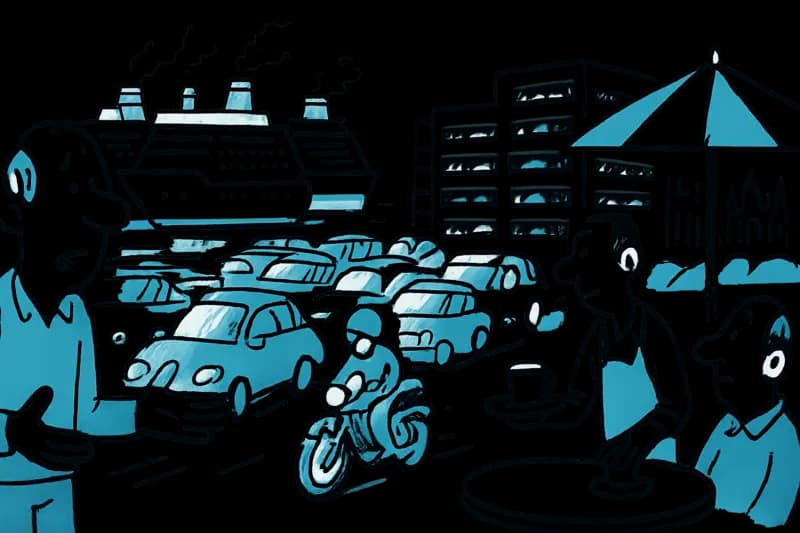
Palma at the Limit: Four Cruise Ships, Full Parking Garages — Where to Put the City?
Over the long weekend Palma burst at the seams in several places: four cruise ships in the port, kilometer-long queues a...
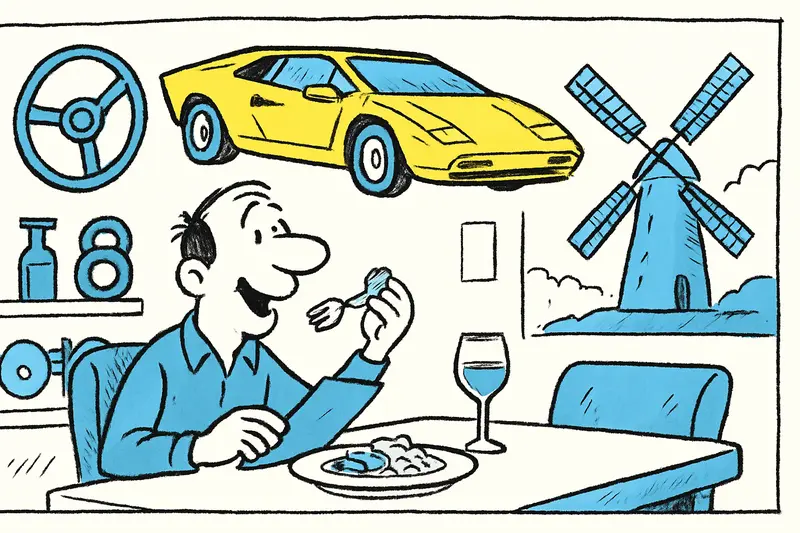
MotorWorld Inn near Palma: Food, Ambience and Why It's Worth a Visit
A restaurant that blends car passion and food: we tried MotorWorld Inn near Palma. Atmosphere, dishes and a few tips for...
Handover by the Water: Why 'Sharky’s' in Cala Rajada Is Up for Sale Again
A sports bar at Cala Agulla, opened in 2024, closed shortly after, briefly revived in 2026 — now the venue is up for tak...
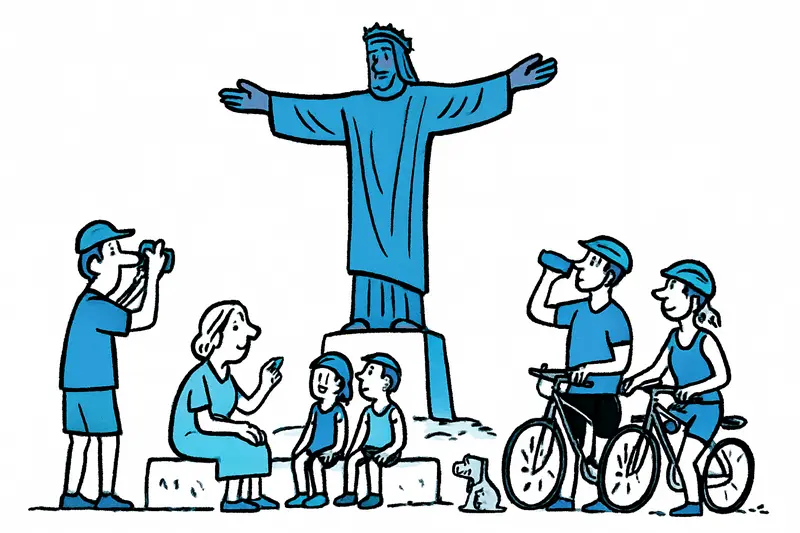
Sant Salvador: The Christ That Becomes a Touchstone for Memory Politics
A statue, 33 applicants and a ministry under review: Why the crowned Christ on the mesa near Felanitx has suddenly becom...
More to explore
Discover more interesting content

Can Cap de Bou

Townhouse Lleo 72
