

Why Llucmajor and Calvià Lead — and Palma Falls Behind
Why Llucmajor and Calvià Lead — and Palma Falls Behind
The new Spain Happy Index 2026 places small municipalities on Mallorca at the top. A critical assessment: What does the index really measure, which gaps remain — and what would Palma need to do differently to become more satisfied?
Why Llucmajor and Calvià Lead — and Palma Falls Behind
Guiding question: Does a national happiness index measure everyday reality on the island — or does it just sort pleasant categories?
The newly published Spain Happy Index 2026 compares more than 8,000 Spanish municipalities and produces surprising winners on Mallorca: Llucmajor, Calvià and Valldemossa sit at the top, while Palma lags well behind, a pattern also discussed in When the Surroundings Overtake Palma: Opportunities, Risks and the Quiet Revolution on the Island. The numbers — around 88.44 points for Llucmajor and 75.01 for Palma — are pointers, not truths. Still, a closer look is worthwhile: Why do smaller or semi-rural places perform better, and what are the limits of such a ranking?
Brief analysis: The index combines climate, access to healthcare, education and transport connectivity. That explains why coastal towns with many sunny days, good tourist infrastructure and satisfactory accessibility score highly. At the same time, the same methodology can make urban problems such as noise, traffic density or rising housing costs weigh more heavily for Palma, as reported in Balearic Islands on average quieter — Palma stays full: Why statistics and everyday life contradict each other. The result: a score that compresses the advantages and disadvantages of different settlement types.
Critical perspective: First, weightings are decisive. Treating climate as a factor automatically favors coastal locations; urban disadvantages become more visible when housing costs and noise are heavily weighted. Second, dynamics are often missing: many Mallorcan coastal towns experience seasonal fluctuations — jobs, traffic and service quality vary between high and low season. An annual average conceals this volatility. Third, such indices often measure supply access (a hospital nearby) rather than use or quality; the mere presence of a clinic says little about waiting times or staffing ratios.
What is rarely discussed in public debate is the balance between short-term “satisfaction” and long-term resilience. A place can score well today because it offers many leisure options and tourism infrastructure — yet be vulnerable in the long run if water scarcity, land consumption or dependence on seasonal jobs increase. Social networks are also less visible: neighborly help, volunteer structures or a lively village community raise subjective wellbeing but are hard to press into a national ranking.
A small everyday observation: On an early morning in Llucmajor it smells of freshly cut orange groves, older residents stand in front of the Plaça de l’Església exchanging gossip; the weekly market slowly fills up. In Palma, by contrast, traffic roars on Avinguda Jaume III, delivery vans squeeze into parking bays, and a construction truck is offloading gravel for another high‑end residential development. Both scenes tell of quality of life — in very different ways.
Concrete solutions for Palma (not dogmatic, but pragmatic): 1) Housing policy with target apartments for income groups the city needs (teachers, caregivers, tradespeople). 2) Test zones to relieve traffic: downtown 30 km/h zones, additional bus lanes on main arteries and pilot projects for parking management, combined with reliable night buses. 3) Creating green space: targeted conversion of parking spots into pocket parks, streetside cafés with noise-absorbing walls and facade greening programs. 4) Strengthening the health dimension: not only counting beds but expanding local health centers with longer opening hours and quick appointments for routine treatments. 5) Decentralized cultural and administrative services: suburban centers with a library, sports hall, municipal registration office — so everyday conveniences are closer to neighborhoods.
Smaller municipalities should also avoid falling into complacency: good ratings are an opportunity but also a temptation to neglect sustainability. Town centers need lasting jobs, not just leisure offerings; water resources, landscape protection and affordable housing must be actively managed.
What the study doesn’t answer, but must be discussed on Mallorca: How much external benefit may tourism bring before residents sacrifice their quality of life? How is value creation distributed locally instead of profits being siphoned off, as debate around Eleven Mallorcans in Spain's Top 100: What the Ranking Really Reveals About the Island shows? And how do we measure satisfaction without drowning out the voices of seasonal workers, young people or older people living alone?
Conclusion: The Spain Happy Index 2026 is a useful mirror, not a policy menu. It reminds us that a good mix of access to nature, functional infrastructure and connectivity is decisive. But beyond the numbers, locally tailored policies are needed that address traffic problems, housing costs and service quality concretely — not just respond to rankings. For Palma this means: less concrete at the edges, more space in the center for people, not just for cars and profit.
If you want a sense of how differently quality of life can look, spend two mornings — one in the countryside and one in the city: a croissant after the weekly market in Llucmajor tastes different from an espresso on Passeig Mallorca — both belong to the island, but both demand different, honest answers from policy.
Punchy conclusion: Happiness cannot be meaningfully upheld if you only count promenades or clinic locations. Mallorca needs policies that establish the balance between everyday livability, social justice and ecological stability — and do so concretely, measurably and locally.
Frequently asked questions
Why do smaller towns in Mallorca score higher in happiness rankings than Palma?
How reliable is a happiness index for judging life in Mallorca?
What factors help places like Calvià and Llucmajor score well in Mallorca?
Does Palma have a lower quality of life than smaller Mallorca towns?
What makes Valldemossa stand out in Mallorca quality-of-life rankings?
What does a happiness ranking miss about everyday life in Mallorca?
What kind of transport and housing changes could help Palma?
Are Mallorca’s coastal towns always better places to live than Palma?
Similar News
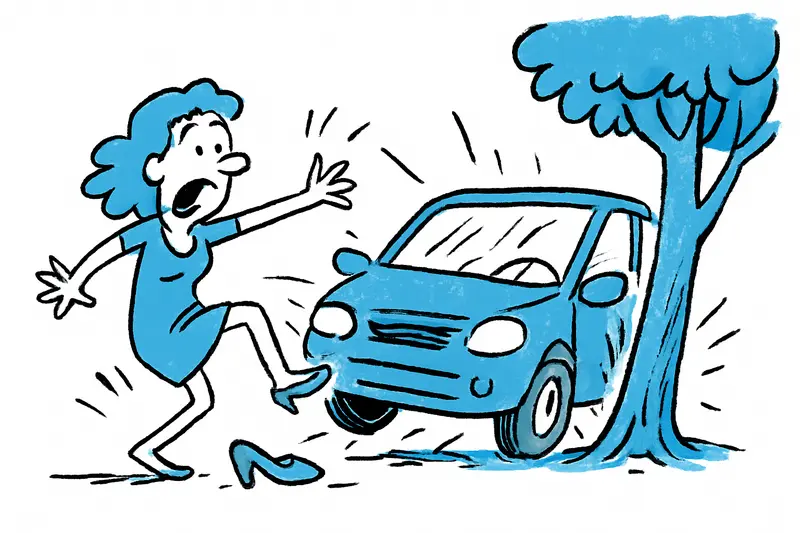
High heel slips, car accelerates: accident on Camí de Son Hugo
A woman lost a high-heeled shoe on the forecourt of the sports facility at Camí de Son Hugo. The car accelerated, mounte...

Phone Scam: How Two Hotel Employees at Playa de Palma Lost Thousands of Euros
One morning in September, two reception employees at Playa de Palma were pressured by alleged alarm-company staff — in t...

When the Wallet Becomes a Danger: Attack in Peguera and Lessons for Mallorca
In Peguera, two women are said to have stolen the wallet from a 75-year-old German couple. When the victim intervened, t...
Plata stays Plata: Young people take over, Llonguets remain
A small bar on Carrer de l'Argenteria will continue: Tolo Serra hands the place over to young Mallorcans at the end of t...

Unnoticed in the Luggage Compartment: How a Boy Traveled More Than 100 Kilometers in a Team Bus
A minor traveled in the undercarriage of a team bus for more than 100 kilometers until his cries for help were heard. A ...
More to explore
Discover more interesting content

Can Cap de Bou

Townhouse Lleo 72
