
Hiking Hostels in Mallorca: A Recap with the Scent of the Sea and Hiking Boots
Hiking Hostels in Mallorca: A Recap with the Scent of the Sea and Hiking Boots
From Betlem to Mondragó: The island's small hostels are experiencing a visitor boom. What this means for locals, hikers and nature.
Hiking Hostels in Mallorca: A Recap with the Scent of the Sea and Hiking Boots
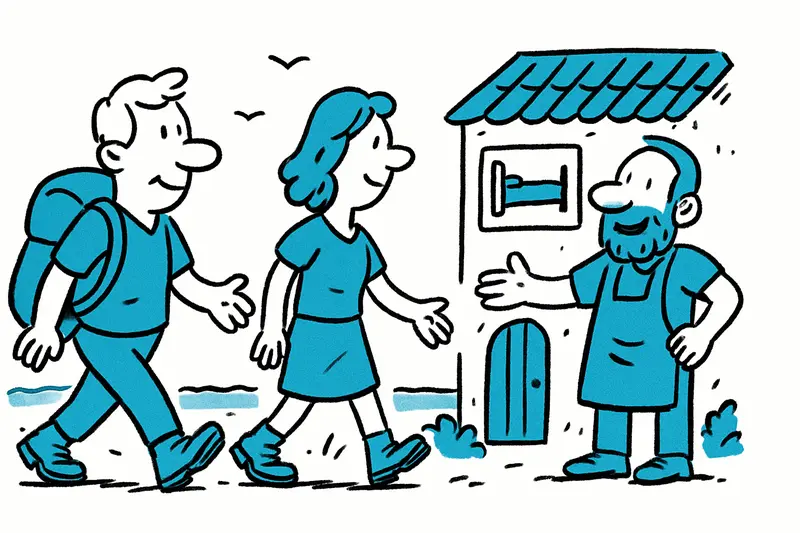
On a cold morning in Port de Sóller the air smells of freshly brewed coffee and wet hiking boots. Two retirees sit on the plaça, discussing the route to the Talaia d'Albercutx, and a rucksack with a wet rain cover leans against a lamppost. Scenes like this are becoming more common in Mallorca – the small mountain huts and hiking hostels are in greater demand than ever, and Mallorca's mountain huts reopened after the summer break.
The numbers tell a clear story: In the facilities run by the nature protection agency Ibanat, overnight stays have more than doubled within four years. Where there were still just under 4,300 nights in 2021, the figure climbed to around 10,800 by 2025. A look at reservations shows another surprising shift: about 87 percent of guests are residents, that is people who live here and are rediscovering the island on foot.
Why is that? Partly because there are currently more offerings: A hostel recently opened in the historic houses of Betlem on the public estate Es Canons near Artà. Next on the list is the Can Cano hostel in the Mondragó Natural Park near Santanyí, and a reopening at Gorg Blau in the Serra de Tramuntana is planned for 2026. In addition, the Consell de Mallorca operates further accommodations along popular routes.
The demand does not come only from hiking fans abroad. I meet them more often in market squares in Felanitx or at breakfast in Sa Calobra: families, couples, doctors, teachers – all looking for Youth Hike along the Camí de Cavalls: Five Days of Sea, Stone Paths and Community, wanting to cook together in the evening and set off again in the morning. For many residents the hostels are an affordable way to experience the island without long drives or expensive hotels.
That has positive aspects: More people traveling outside the hotel zones bring economic life to villages like Bunyola or Esporles. Small bars, local shops and farmers benefit when hikers buy bread, water or a piece of cheese. Especially on windless mornings in the Tramuntana you can see small groups with walking poles and colorful jackets strolling up the switchbacks.
At the same time, the development poses challenges for administrations and municipalities. More overnight stays mean greater pressure on trails and sometimes confusion about rules: Which routes are signposted, where is camping allowed, how are sensitive zones protected? The allocation of beds is also important – who gets reservations during the season, and how are emergency capacities organized?
The solutions are not simple, but they are practical. Some proposals are obvious: transparent reservation rules, clear on-site guidance about behavior in protected areas, and coordinated maintenance plans for trails. Short information brochures in the hostels about local shopping options and respectful behavior could also strengthen the connection between guests and place.
For Mallorca the overall picture currently feels positive. If you stroll through Deià on a late winter afternoon, you hear the soft clatter of boots and the distant murmur of a group returning from a day in the mountains. The hostels are not a solution to all problems, but they offer a simple, down-to-earth way to experience the island – and they bring people back into conversation with the places they traverse.
Outlook: More official beds, better on-site information and closer coordination between Ibanat, the Consell and municipalities could make the upward trend sustainable. For residents this is already an invitation to rediscover their surroundings. For the island as a whole it means: enjoy cautiously so that trails, sites and neighborhoods do not suffer from the success.
Frequently asked questions
When is hiking season in Mallorca usually best?
Are mountain huts and hiking hostels in Mallorca popular with locals?
What should I pack for a hiking hostel stay in Mallorca?
Are hiking hostels in Mallorca a budget-friendly way to explore the island?
Where can hikers stay near Port de Sóller in Mallorca?
Is there a hiking hostel near Artà in Mallorca?
What hiking accommodation is planned near Santanyí in Mallorca?
Why are Mallorca’s hiking hostels important for local villages?
Similar News
When Ryanair's fleet grows: What Mallorca's travelers should know
Ryanair will soon receive 737 Max 10 jets. The larger aircraft offer potential savings — but also new risks for flight o...
Rising fuel and housing costs: Why Mallorca's overland buses are suddenly overcrowded
More and more people are leaving Palma — and boarding TIB buses: Between January and August 2026, the network recorded o...
Carriages Without Horses: Palma Plans E-Carriages – a Reality Check
Palma plans to switch to electric carriages in 2027. The prototype was shown near the cathedral. What is the technology ...

Record season, empty coffers: Who really benefits from the tourism boom?
Full hotels and more flights: the numbers sound impressive — yet many locals feel no benefit. A reality check with an ev...

Pool ordered for €46,000 – €23,000 paid, no work carried out: A fraud case in Palma
A homeowner in Palma transferred €23,000 for the construction of a pool. Weeks later it emerged that no building applica...
More to explore
Discover more interesting content

Can Cap de Bou

Townhouse Lleo 72
