
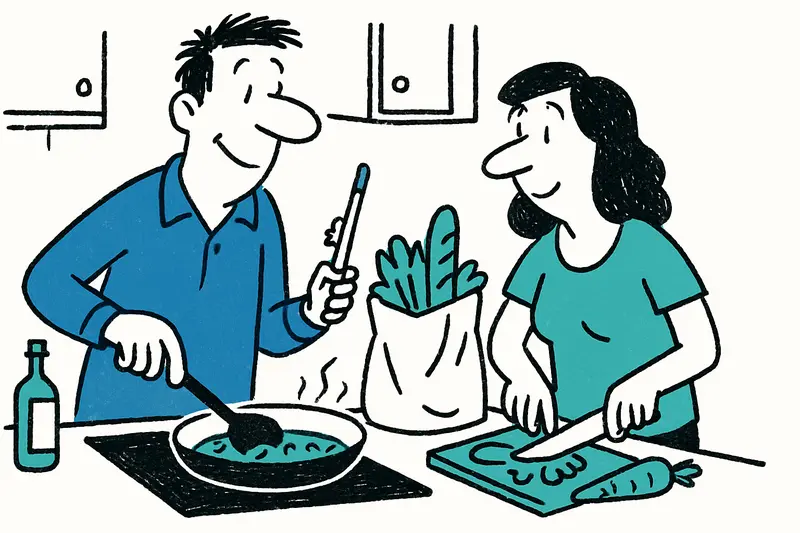
Less Buffet, More Pan: How Self-Cooking Is Changing Mallorca
More and more guests in Mallorca prefer apartments with kitchens instead of all-inclusive. A trend that is reshaping markets, landlords and everyday life on the coast — and making the holiday experience feel more down-to-earth.
Less Buffet, More Pan: Why Self-Cooking Is Gaining Momentum in Mallorca
As the morning sun warmed the stalls of the Mercat d'Alcúdia, you could hear the clatter of wooden crates, the vendors calling out and the faint splash from the harbour. Families with overflowing shopping bags, couples choosing herbs and young people with a packet of pasta — it all blended into ordinary island life. Except: it was a holiday. Increasingly, guests are choosing to cook for themselves instead of piling their plates at buffets — a trend documented in More self-caterers on Mallorca: How Alcúdia and Can Picafort are changing the island's food culture.
What you notice: In north Mallorca – especially Alcúdia and Can Picafort – demand for apartments with their own kitchen is rising. Landlords are upgrading: better pans, an extra chopping board, sometimes a small spice shelf. The hotel industry isn't untouched: requests for all-inclusive are decreasing, while flexible rates and rooms with kitchenettes are becoming more important.
Why are so many cooking for themselves? More than just saving money
Price awareness plays a role, of course. Many stay longer, want to be more flexible and not be tied to buffet times. But it's not just about money: dietary preferences, intolerances and the desire for authenticity drive this change. Someone spreading a slice of sobrasada on the balcony in the morning while seagulls cry is looking for a different feeling than the hotel buffet at half past eight.
And then there is the feeling of really being on location: shopping at the bakery that opens at six, fresh tomatoes from the market, a small glass of wine on the Passeig — little rituals that turn Mallorca into a home for a few days. That feels grounding and calming.
What does this mean for the island?
For local suppliers it's an opportunity. Supermarkets expand their range, bakeries and small shops notice higher demand for familiar products and even reveal surprising opening hours. Proximity to the producer becomes more important: vendors offer olive oil samples at their stalls, sellers explain which tomato is best for salmorejo. This creates regional added value and spreads tourist spending more evenly across towns.
Landlords and hoteliers respond pragmatically: not everyone wants to own an apartment, but many offer hybrid options – a hotel that also has kitchenettes, or apartments with cleaning services. This keeps the balance between convenience and independence, even as some establishments face challenges noted in Empty Tables, Tight Wallets: Mallorca's Gastronomy at a Crossroads.
A small appeal to hosts and policymakers
The trend is not just pleasant to watch, it needs infrastructure: waste separation, well-equipped kitchens, sufficient shopping options in outlying areas. A bit of support with disposal and clear rules for short-term rentals would help avoid conflicts. At the same time, landlords should focus on quality over quantity: a working pan and a good knife are often more important than an expensive coffee machine that no one uses.
For Mallorca itself it's a breath of fresh air toward everyday suitability: less queuing, more slowly cooked moments, more money left in small shops. And honestly — who wouldn't want to end a day at the sea with the scent of garlic and fried peppers filling the evening?
Maybe it's just a culinary shift. Maybe it's a new relationship to holidays. In any case, an evening in a small holiday apartment starts to feel like a short home — and that's, amidst all the bustle, a lovely thing for the island.
Frequently asked questions
Why are more holidaymakers in Mallorca cooking for themselves instead of using hotel buffets?
Is self-catering in Mallorca mainly about saving money?
What kind of accommodation is best for self-catering in Mallorca?
What should I pack if I plan to cook in Mallorca on holiday?
Where do people shop for groceries when staying in Alcúdia or Can Picafort?
How does self-catering affect local shops and markets in Mallorca?
Is self-catering a good option for longer stays in Mallorca?
What changes do landlords in Mallorca make for guests who cook?
Similar News

Maribel: Five Decades of Service – Housekeeper from Peguera Celebrated with a Special Honor
Over 50 years in the hotel business: María Isabel “Maribel” Molinos was honored in Palma at the Nit del Turisme by Unive...

Orange Alert over Parts of Mallorca: Are We Prepared?
Dark clouds and an announced wet spell have triggered an Orange alert in parts of Mallorca. A reality check: what's miss...

Sundair & Co.: Sale speculation and what it could mean for Mallorca
Rumors about a possible sale of the airlines Sundair and Fly Air 41, which belong to Schauinsland-Reisen — and whether b...
Anne Wünsche in Mallorca: A job offer with a catch — who fits the role of personal assistant?
Influencer Anne Wünsche has left Berlin and is urgently looking for a full-time personal assistant in Mallorca. Why the ...

Daily from New York: Palma Between Boom and Strain
United will increase the Newark–Palma route to daily flights in 2027 using Boeing aircraft (231 seats). What does the in...
More to explore
Discover more interesting content

Can Cap de Bou

Townhouse Lleo 72
