

Too few homes: Why the search for housing in Mallorca will remain difficult in 2026
Too few homes: Why the search for housing in Mallorca will remain difficult in 2026
Despite cooled momentum, prices continue to rise and hundreds of thousands remain searching. Why the problem is more than just numbers and which levers exist.
Too few homes: Why the search for housing in Mallorca will remain difficult in 2026
Key question
How can Mallorca prevent thousands of residents from having to fight year after year for a roof over their heads while rental and purchase prices do not fall?
Brief summary of the situation
According to real estate professionals, around 55,000 people on the island are still looking for a home — figures echoed in Rent-price shock 2026: How Mallorca is heading toward a social crisis. At the same time, Payday 2026: Why Many Renters in Mallorca Have Reason to Be Afraid reports that more than 24,000 rental contracts are expiring in the Balearics this year. Supply is tight and prices are not easing: purchase and rental prices continue to move upwards, even if the pace slows somewhat. Year on year, rents rose by around 8.5 percent in 2025 according to published figures, a trend examined in Sky-high prices, tents, empty promises: Why Mallorca's housing crisis is no longer a marginal issue.
Critical analysis
Scarcity is not an abstract statistic; it is a logistical and political problem. On the demand side there are commuters, young families, seasonal workers and pensioners alike — all with different budgets. On the supply side are vacant holiday apartments, units used for short-term rentals, investment properties and a relatively rigid new-build volume. When rental contracts expire, landlords are in a strong negotiating position: the result is demands for higher rents and a shifting of the burden onto tenants who have little alternative.
What is often missing in public debate
The debate too often focuses on buzzwords like 'tourism versus locals'. Clearly short-term rentals play a role, but even more relevant is the combination of missing available housing, stagnating new construction for local needs and regulation that leaves gaps. A frequent omission in discussions is figures on vacancy and actual potential for conversion: how many holiday apartments remain empty for longer periods? How many building permits concern continued rental rather than social housing? Such information is not publicly available or is rarely compiled systematically.
Everyday scene
Early in the morning in Palma, on the Passeig Marítim, a delivery van passes, construction workers have breakfast in front of a site whose scaffold bears a banner: 'Project'. Next to it an older lady studies a row of Se Alquila/Se Vende notices in the window of an estate agency. She waves it off; the monthly figures do not match her pension. Such scenes between Portixol and the Plaça Major are common: people comparing offers while new holiday apartments are being completed in parallel.
Concrete approaches
1) Vacancy and rental registers: An accurate record of vacant apartments and their use (long-term, short-term, empty) creates a knowledge base. Without data, politics is left to guesswork.
2) Incentives for conversion: Tax bonuses or simplified permits for owners who make holiday apartments permanently available to the local market could quickly increase supply.
3) Expand social housing and municipal stock: Municipalities must rezone land faster and enable access for associations or cooperatives. Public buildings with low usage could be converted.
4) Strengthen tenant protection: Better advice, legal assistance and limited indexation reduce sudden displacement when contracts expire.
5) Regulate and control short-term rentals: Not as a blanket ban, but as an active steering option — with quotas in particularly affected zones.
6) Support programs for interim uses: Vacant commercial premises and hotels can be used temporarily as housing until permanent solutions are found.
Why politics alone is not enough
Private investors, associations, neighborhood initiatives and banks must pull together. For example, regional banks could offer special loans for renovating old buildings with a long-term rental obligation. Real estate associations could commit to making long-term offers more visible. Without cooperation any measure remains half-hearted.
Punchy conclusion
The figures — 55,000 people searching, over 24,000 expiring rental contracts, noticeable rent increases in 2025 — describe only the symptom area. To get the problem under control, Mallorca needs precise data, short-term measures to create housing for locals and a long-term redirection of new construction and the use of existing stock. Anyone who counts the notes in shop windows on the Passeig Marítim in the morning knows: it is time to act, not to argue.
Frequently asked questions
Why is it still so hard to find housing in Mallorca in 2026?
Are rent prices in Mallorca still rising?
What happens when a rental contract expires in Mallorca?
How many people are looking for housing in Mallorca right now?
Is the housing problem in Palma worse than in other parts of Mallorca?
What role do holiday rentals play in Mallorca’s housing shortage?
What measures could help ease the housing shortage in Mallorca?
Why do housing prices in Mallorca keep staying high?
Similar News

Are the Balearic Islands the Southern Border of Europe? A Reality Check on Immigration
The Balearic Islands are again calling for EU aid after a sharp rise in arrivals by sea. Conflicting priorities between ...

"Expensive chaos" and many open questions: What clients can do when a lawyer suddenly stops responding
Several clients complain that a well-known German lawyer in Mallorca has been unreachable for months. Key question: What...

TV tip: 'The Last Problem' — Mallorca as the setting of a classic crime
A classic whodunit on Mallorca: A new miniseries set in spring 1959 brings storm, an isolated hotel and a dense web of s...

Nipping Sea Creatures: Why Bathers in Cala Major and Elsewhere Should Be Cautious
In Cala Major, bathers have reported being nipped by small fish. What is behind it, how can problems be avoided — and wh...
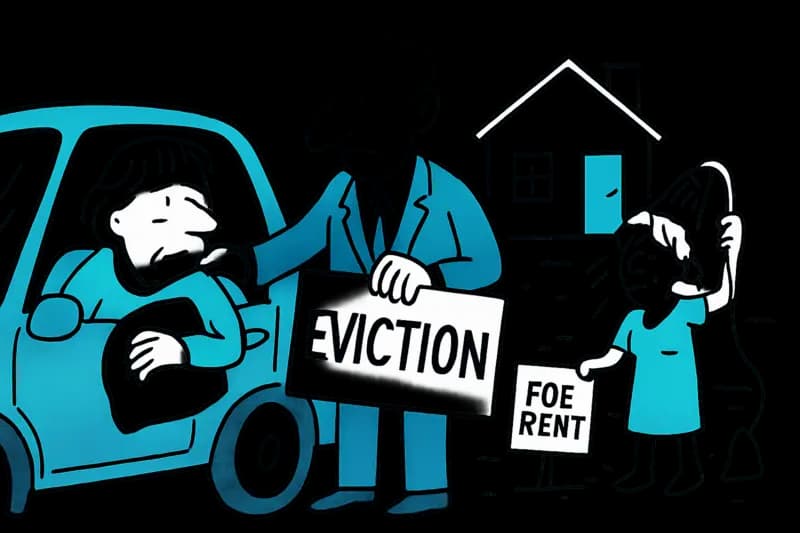
Forced eviction in Santa Catalina: When a 65-year-old slept in her car and showered on the beach — a question of responsibility
The story of Pilar López from Santa Catalina represents a problem affecting many Mallorcans: How can an island with a bo...
More to explore
Discover more interesting content

Can Cap de Bou

Townhouse Lleo 72
