
Housing Shortage at the Airport: Why Palma's Outskirts Are Becoming Emergency Camps
Housing Shortage at the Airport: Why Palma's Outskirts Are Becoming Emergency Camps
Shacks and occupied halls at Son Sant Joan airport show that housing is lacking — families and children live in makeshift camps. A critical assessment and concrete proposals.
Housing Shortage at the Airport: Why Palma's Outskirts Are Becoming Emergency Camps
Key question: Can Palma offer short-term protection and long-term housing to people living outdoors or in illegal shacks?
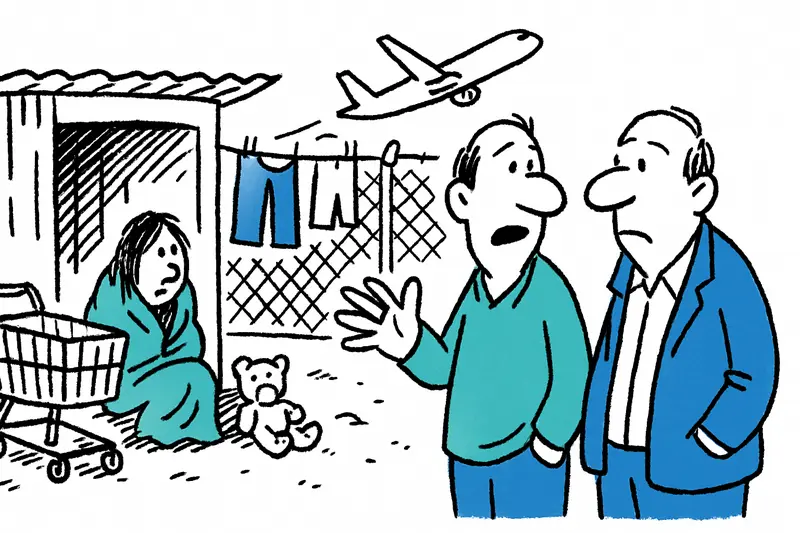
In the dusty peripheral zones around Son Sant Joan, where the wind carries the engine noise of departing planes over old corrugated roofs, more and more people have settled in recent months. On fallow lots, in vacant industrial halls and along the airport fences, makeshift dwellings have appeared. Toys lie next to dust-covered shopping trolleys, laundry flutters on metal racks — the scene is not only sad, it is a wake-up call.
The situation is not an isolated phenomenon. Palma has had too little affordable housing for years, as documented in Sky-high prices, tents, empty promises: Why Mallorca's housing crisis is no longer a marginal issue, and the outskirts feel the consequences particularly strongly: areas beyond the Llucmajor motorway, the spaces around Mercapalma and old football fields are deteriorating because people have no other choice, a trend also visible in When Caravans Become the Last Address: How the Housing Crisis Is Changing Mallorca. Owners secure buildings with walls and locks, security companies install cameras — architectural isolation instead of solutions for those living inside.
Anyone standing on the pedestrian bridge between Can Pastilla and the airport hears more than just aircraft noise: delivery vans, distant conversations, the clatter of chained tires on gravel. A passerby, a worker from Mercapalma, says he sees families coming and going, sometimes parents with small children sharing a meal among cardboard boxes and a camping stove. These observations match the traces: children's clothing, a teddy bear, a small plastic slide in front of an abandoned hall.
Critical analysis: The responses that currently dominate on site are reactive. Owners secure property, security firms are supposed to deter, enforcement services perform checks. That protects private property — but solves not a single social problem. When people seek refuge on airport grounds, it is because the city, island and municipal support systems do not reach them: there is a lack of short-term emergency shelters, adequate counseling and mediation structures, and a sufficient supply of social housing, a situation detailed in When Work Isn't Enough: Palma and the Growing Number of Homeless People.
One important element is missing from the public debate: the differentiation between people living temporarily in emergency conditions and those who are without shelter in the longer term. Instead of blanket condemnations or purely criminalization strategies, there needs to be a public discussion about how much affordable housing is needed, how temporary shelters must be organized, and what responsibility airport-adjacent landowners, logistics companies and large markets can assume.
Concrete everyday scene: On a gray morning at the edge of an abandoned skatepark project, two men roll up blankets. A child giggles as a bus passes on the motorway. A dog sniffs an old refrigerator. The smell of petrol mixes with the scent of fried food from a camping stove. This normality at the edge of infrastructure shows: this is not just about property; it is about people who need spaces to live.
Concrete solutions, without claiming to be exhaustive: First priority must be the protection of families with children — mobile teams made up of social workers, health services and interpreters should regularly visit the affected areas and provide first aid, warm clothing and vaccination and health advice. Municipalities must quickly convert vacant city-owned buildings into temporary emergency shelters and simultaneously launch binding placement programs for social housing.
Furthermore, the island administration should consider binding cooperation agreements with operators of large plots near the airport: areas that are currently fallow could be used temporarily for structured emergency accommodations. A mandatory clearing procedure before evictions would be sensible: evictions may only take place with guaranteed rehousing and with leaflets about available assistance — otherwise the problem is only shifted.
Long term, building affordable housing is indispensable. That means: releasing building land, financing social housing programs and speeding up the use of vacant existing properties, an issue also illustrated in When Living Rooms Become Bedrooms: How Mallorca Suffers from a Housing Shortage. Public-private partnerships can help, but only with clear conditions that reserve occupancy for socially disadvantaged groups.
What is often missing in the debate is the voice of those affected themselves. Without their perspective, measures remain merely technical. Counseling services and participation formats should therefore be integrated into all planning: only those who are heard remain reachable in measures.
Conclusion: The shanty settlements and squats around Palma's airport are not just a matter of order and property. They are the visible end of a chain: too little affordable housing, too few immediately available assistance options, too little political coordination. Palma can solve this if authorities, owners and civil society finally deliver a concrete strategy — quickly to protect the vulnerable, and in parallel to provide permanent housing. Those who now only lock up or shut out are simply shifting suffering to the next fallow lot — and in the end it is the same bridge, the same teddy bears, the same children who freeze.
Frequently asked questions
Why are more people living in makeshift camps near Palma Airport?
What should families in emergency housing in Mallorca do first?
Is it common to find people sleeping in industrial areas around Palma?
What kind of emergency help is missing in Palma's housing crisis?
How should Mallorca handle people living in shacks or squats near the airport?
Why is affordable housing such a problem in Palma?
What can landowners near Son Sant Joan do about informal settlements?
What would help prevent more emergency camps on the outskirts of Palma?
Similar News
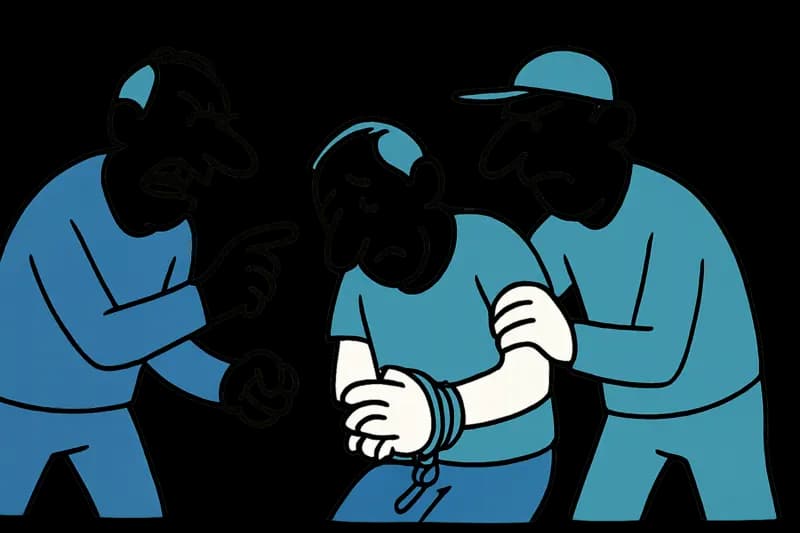
Mistaken identity with fatal consequences: Brutal assault in S'Aranjassa — what's missing in the follow-up?
At S'Aranjassa a visitor to a finca was tied up, beaten and thrown out of a van. Three men have been arrested, including...
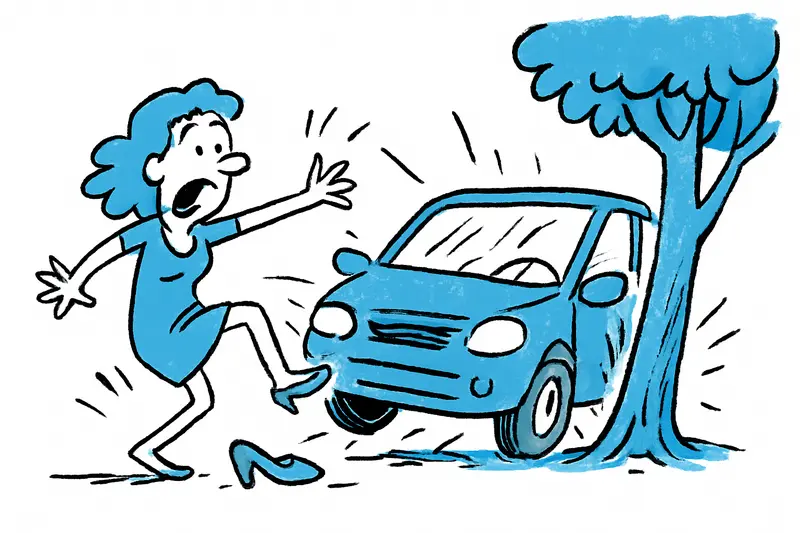
High heel slips, car accelerates: accident on Camí de Son Hugo
A woman lost a high-heeled shoe on the forecourt of the sports facility at Camí de Son Hugo. The car accelerated, mounte...

Phone Scam: How Two Hotel Employees at Playa de Palma Lost Thousands of Euros
One morning in September, two reception employees at Playa de Palma were pressured by alleged alarm-company staff — in t...
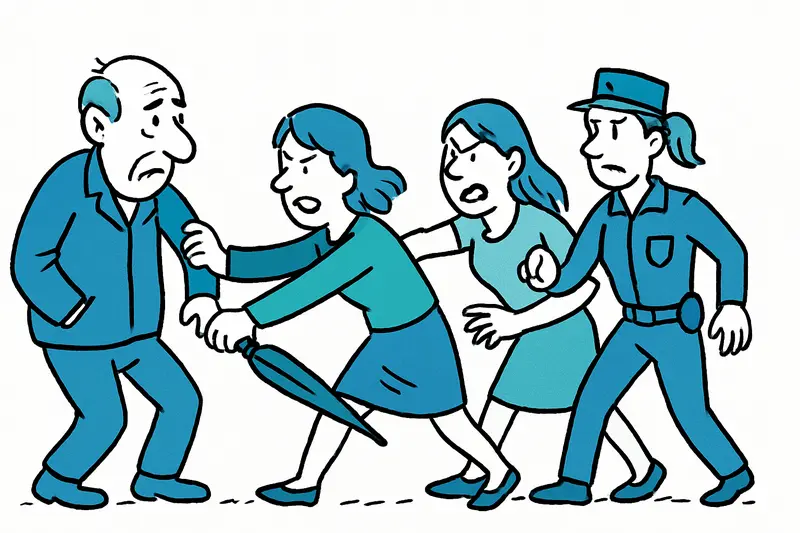
When the Wallet Becomes a Danger: Attack in Peguera and Lessons for Mallorca
In Peguera, two women are said to have stolen the wallet from a 75-year-old German couple. When the victim intervened, t...
Plata stays Plata: Young people take over, Llonguets remain
A small bar on Carrer de l'Argenteria will continue: Tolo Serra hands the place over to young Mallorcans at the end of t...
More to explore
Discover more interesting content

Can Cap de Bou

Townhouse Lleo 72
