
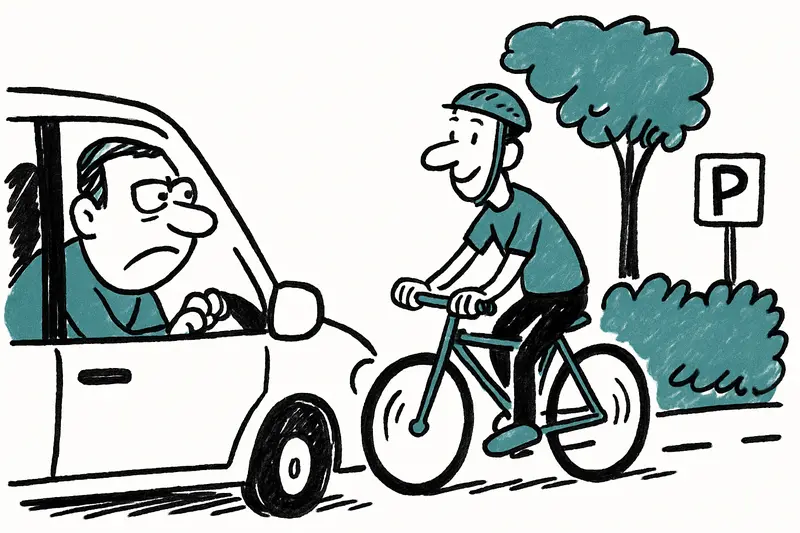
Easier commute: Marratxi builds green link to Palma
Easier commute: Marratxi builds green link to Palma
Marratxi is creating a combined pedestrian and cycle path between Es Figueral and the industrial area and is adding 144 new parking spaces in Can Rubiol. Automatic irrigation, lighting and direct access to the train station are designed to make commuting more relaxed.
Easier commute: Marratxi builds green link to Palma
New greenway and 144 parking spaces to ease parking chaos
In the early morning, when the Ma-13 still hums with commuter cars and coffee steams over the counters in Es Figueral's small cafés, there will soon be more bikes than cars on the move. Marratxi has launched a project that aims to change daily routines and commutes: a combined pedestrian and cycle path, a so-called greenway, that connects the Es Figueral residential area directly with the industrial estate and leads to the Marratxi–Es Figueral train stop.
The route is not just a pretty ribbon of shrubs and trees, but a practical missing link in everyday commuting. Those who until now relied on cars because the way to work seemed too dangerous or too narrow will get a safe alternative. The new corridor is intended to make space so people can reach the train by bike or on foot instead of struggling along the Ma-13 in rush hour or hoping for a parking space in tight residential streets.
Another visible contribution to the parking shortage will be created on Calle des Siurells in the Can Rubiol industrial area: 144 public parking spaces will be laid out there, similar to the Portixol redesign with plaza and parking garage.
The municipality is aiming for long-term usability in the redesign: along the greenway they will plant trees and shrubs, install automatic irrigation and add modern lighting as seen on the illuminated cycle path connecting Playa de Palma and es Pillarí. This provides not only shade in summer but also a greater sense of security in the early morning or after work. The municipality estimates the costs at around €550,000, and the work should be completed in about eleven weeks.
For the neighbourhood this means immediate relief. Fewer cars in the narrow residential streets means less noise, fewer exhaust fumes and less doorstep conflict. For commuters the route could shorten the journey—not in kilometres, but in calmness and reliability: a fast bike path to the train, a parking space within walking distance, and a more relaxed connection to Palma, similar to improvements around the Paseo Marítimo: Palma's new green oasis.
It's the small things that change everyday life: continuous lighting, a shady tree at a junction, a free parking space in the morning. Such details often decide whether someone takes the bike or the car in the morning. The facility is also an invitation to young families and commuters to use the proximity to the capital without sitting in traffic every day.
Of course this is not a cure-all for the island's traffic problems. But a coherent network of safe routes and well-thought-out parking areas can noticeably improve life in suburbs like Marratxi. When the greenway is finished, you might hear a brake squeak or the rustle of leaves on the way to work instead of traffic noise. People standing along the route will likely see mothers with trailers, commuters with light e-bikes and pupils who no longer need to be driven to school.
Looking ahead: if this model works, similar connections could be created at other crucial points. More bike parking, routes that safely cross roundabouts and access roads, and clear signage for pedestrians would complete the package. Marratxi shows how practical steps can be taken in a few moves: a bit of green, a few hundred parking spaces, light and water—and daily life becomes a little easier.
For the island this means more quality of life without big frills: a few metres that can change a lot.
Frequently asked questions
How will the new greenway in Marratxi help commuters get to Palma?
Will the Marratxi greenway be safe to use early in the morning or after dark?
How many parking spaces are being added in Marratxi?
When will the Marratxi greenway project be finished?
How much is Marratxi spending on the new greenway and parking project?
What is the benefit of the new Marratxi route for cyclists?
Why is Marratxi building a green link instead of just more roads?
Could other parts of Mallorca copy Marratxi's commuting project?
Similar News
Palma Gets a Welcoming Park: Tirador Goes Greener — and a Café Is Coming
A new green project in Es Fortí/Camí de Jesús will transform the old Voltadora into a city park with an experience fores...
Why the End of "Los Últimos Mohicanos" Is More Than the Closing of a Bar
With squealing tires and one last glass, an icon on the Palma–Manacor expressway closes. Why the demise of this German b...
Protest camp on Plaza España: Who asks for solutions to the right to housing?
Around 30 activists set up a tent camp on Palma's Plaza España to push for stronger tenant rights. Our analysis asks: Ar...

In the Name of a Gang: Alleged Extortion in El Molinar and What It Reveals About the Protection of Sex Workers
A man is accused of posing as a member of the Hells Angels and extorting two women at accommodation in El Molinar. The s...
When Chile Meets the Mediterranean: A New Flavor at Can Bordoy
At Can Bordoy in Palma's old town, Chilean chef Jhonatan Maldonado combines Patagonian seafood with Mediterranean island...
More to explore
Discover more interesting content

Can Cap de Bou

Townhouse Lleo 72
