
Dangerous Sprints in Sa Pobla: How Safe Are Our Industrial Estates?
An illegal acceleration contest in the morning caused alarm in a commercial area of Sa Pobla. Two electric cars with foreign plates raced along a long straight — luckily without an accident. Why such actions are possible and what countermeasures are urgently needed.
Early morning, short straight, big risk: The incident in Sa Pobla
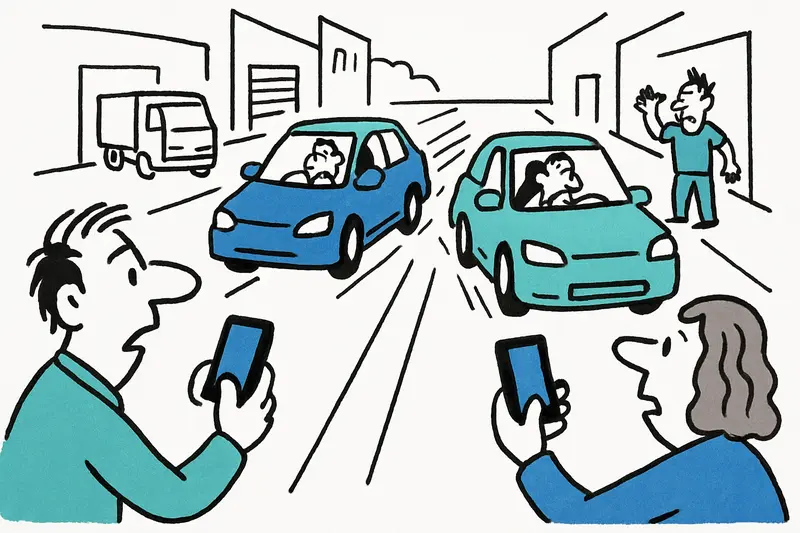
On Thursday at around 9:15 a.m. a quiet commercial axis in Sa Pobla turned into a racetrack for a few minutes, an incident similar to an illegal street race in Sa Pobla. Two vehicles with foreign registration apparently accelerated along nearly 400 meters — right among delivery trucks, workshop doors and workers who were just starting up their machines. Phones went up, conversations fell silent, and later those present said they had only avoided a larger accident by chance.
Witnesses and the moment that was missing
Witnesses describe modern, electric cars: the sound was not the deep rumble of a V8, but a high, intense thrust accompanied by the brief screech of tires and the smell of hot rubber. A man at a gate summed it up: “You don't hear the V8, but you feel the push — and that's enough.” When someone threatened to call the police, the people left the scene quickly. Official controls were not on site at that moment.
Key question: How do we protect everyday life and workplaces from such actions?
That is the central question raised by this incident. It's not only about noise — early-morning diesel fumes mix with the crackle of tires — but about safety: workers, suppliers, company vehicles and pedestrians share these spaces. When such straights become recreational racetracks, the result is not only annoyance but an acute danger to human life and the economic existence of small businesses.
Why such races are reappearing on Mallorca — and what is rarely discussed
Illegal races are not a new phenomenon, but they are shifting. Not only mountain passes or coastal roads are affected; industrial areas in the morning or remote access roads offer quiet, straight sections without pedestrian infrastructure. These issues are part of a wider pattern that includes late-night racing on Avinguda Mèxic and even a nighttime crash near Son Banya. A frequently underestimated problem: vehicles with foreign plates. Fines, warnings and investigations quickly reach their limits when owners are registered abroad or rental cars are involved. The result: investigations drag on and perpetrators sometimes feel protected.
Added to this is technological development: electric cars are quieter, but the instant acceleration creates a noticeable push that can quickly become dangerous in tight industrial areas. And many industrial zones are simply not designed for pedestrians or high traffic activity — yet simple physical deterrents are often missing.
Concrete measures that would work now
Appeals do little. What is needed is a mix of quick, practical action and long-term investments:
More presence and flexible controls: targeted patrols during off-peak hours, spot speed checks and quickly deployable roadblocks when alerted by residents or businesses. A patrol car early in the morning often has a preventive effect.
Technical support: mobile ANPR cameras at entrances and temporary video surveillance at known hotspots could secure license plates — especially important for foreign vehicles. Fast information exchange between the Guardia Civil, Policía Local and the traffic authority is indispensable in this regard.
Physical barriers: speed humps, raised lane dividers or retractable bollards at particularly long straights prevent an area from becoming a sprint strip. Such interventions are comparatively inexpensive and hardly disturb normal business operations if placed intelligently.
Cooperation with rental companies and insurers: rental car firms must be held more accountable. Quick reports, contractual penalties and binding disclosure obligations to authorities can act as a deterrent and simplify investigations.
Local reporting systems: businesses need low-threshold reporting channels — a WhatsApp alert, a short hotline or an online form with the option to upload video evidence. Time-stamped images and license plates are often the only trace to act quickly.
Final view: Small interventions, big impact
The incident in Sa Pobla ended without serious consequences, but it is a warning signal. If industrial areas become test tracks without protective measures, the community pays with safety and quality of life. With pragmatic measures — more presence at unusual times, simple physical measures, technical aids and clear agreements with rental companies — the risk could be significantly reduced. The challenge is to deploy these resources targeted and efficiently before a short sprint becomes a tragedy.
Note: Anyone who witnesses such events should record the time, location, license plates and, if possible, a short video. This information is invaluable for investigations and helps prevent future incidents.
Frequently asked questions
Why are industrial estates in Mallorca sometimes used for illegal street racing?
How dangerous is illegal street racing in Sa Pobla?
What should I do if I witness dangerous driving in Mallorca?
Are electric cars quieter but still dangerous in street racing?
What measures can help stop racing in Mallorca industrial zones?
Why are foreign-registered cars harder to trace after illegal racing in Mallorca?
Is Sa Pobla safe for businesses and workers during early morning hours?
How can residents and businesses in Mallorca report dangerous driving quickly?
Similar News

When Palma Becomes a Zombie Zone: 'Mallorca Z', AI and the Thought Experiment with Side Effects
A Mallorcan lawyer built a strategy game over a weekend using AI that treats the island as the scene of a zombie crisis....

Learning to Wait: How Leisure Is Making Space Again on Mallorca
Waiting doesn't have to be lost time. A mild October day in Palma shows how small pauses slow down our lives — and what ...

Cala en Brut: Body in the Sea — a Fatal Autumn Day and What’s Missing
In Cala en Brut (Ciutadella) a man's body was recovered during storm Dana "Adam". Why do autumn storms in the Balearics ...

When the road is gone: Port de Valldemossa cut off after storm 'Adam'
After heavy rains a retaining wall gave way and two sections of mountain road MA-1131 became impassable. Why are rural p...

Crypto Promises, Ferry, Arrest: How Investors in Mallorca and the Neighboring Islands Fall into the Trap
A Swiss man wanted under a German arrest warrant was captured in Ciutadella. The case raises questions about cross-borde...
More to explore
Discover more interesting content

Can Cap de Bou

Townhouse Lleo 72
