
Impunity in Calle Olmos: Illegal Airbnb Guesthouse in Palma Leaves Neighbors Desperate
Impunity in Calle Olmos: Illegal Airbnb Guesthouse in Palma Leaves Neighbors Desperate
In an older apartment building on Calle Olmos in Palma, residents have for years complained about an apartment converted into a holiday rental. Despite reports and inspections, up to 20 guests are still accommodated daily — with consequences for the building community and the neighborhood.
Impunity in Calle Olmos: Illegal Airbnb Guesthouse in Palma Leaves Neighbors Desperate
Inspections have no effect, water bills rise, and the owner continues to receive guests
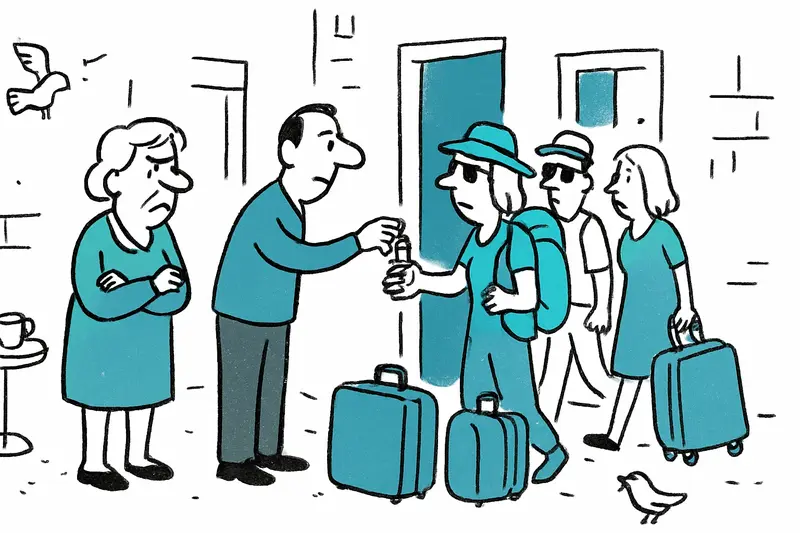
On Calle Olmos, a narrow street with cafés, cooing pigeons and the constant rattling of rolling suitcases, a small crisis has crept in over the years. In one of the old buildings, outsiders rent out a mezzanine via platforms that is officially not authorized as tourist accommodation. This is part of a wider trend documented in When Neighborhoods Become Postcards: Illegal Vacation Rentals in Palma. The five rooms there are each equipped with four beds — theoretically room for up to 20 guests per day. Neighbors report a constant coming and going: two or three suitcases at the door, voices late into the night, and in the morning a new wave of tourists stomping down the stairs.
The neighborhood has repeatedly filed complaints. There have been inspections, residents say, but the situation has not changed. The man who calls himself "Oskar" in the listings has continued to advertise the accommodation; allegedly he even uses a fake license number in the ads, a situation similar to Eleven holiday apartments without a license in Palma's Old Town – why the listings remain online. Authorities have asked residents to provide photos from inside the flat — while the owner apparently continues to receive guests undisturbed and even offers a laundry service, according to accounts from the stairwell.
The effects are concrete: the building's water meter is used collectively. Residents who live alone suddenly receive inflated bills because the consumption of arriving and departing guests is included. One person reports paying around €500 every two months for water — an amount far above the usual consumption of a single flat. Added to this are outstanding community maintenance fees: neighbors mention a sum of more than €20,000 that the owner supposedly owes. Even more dramatic is the claim that tax authorities have recorded claims exceeding half a million euros and that the owner has filed for insolvency. Why the property has not been seized or blocked is a question residents ask — and they find only the silence of the authorities on the ground.
The scene is familiar: in the mornings someone sits in the corner bar, drinks a cortado, and watches Oskar hand keys to tourists. This also echoes cases of Illegal Subletting in Mallorca: When Long-Term Tenants Become 'Inquilinos Pirata'. Small children play among suitcases, delivery drivers stop briefly on the pavement. The burden on the building community is visible: broken mailboxes, more frequent rubbish in shared areas, and the feeling that rules do not apply to some. Residents feel abandoned — not only against one neighbor, but against an entire machinery that apparently does not react quickly enough.
Key question
Why do complaints and repeated inspections not lead to the closure of an obviously illegally operated accommodation in Palma?
Critical analysis
Cases like this reveal a combination of bottlenecks: bureaucratic procedures, lack of personnel capacity for rapid enforcement, and the difficulty of taking digital listings offline in a timely manner. If a landlord provides a fake license number, it shifts the burden of proof, complicates administrative procedures and extends the period during which income can continue to be generated. At the same time, shared meters and the lack of individual consumption measurement mean that costs are socialized — and neighbors bear the burden.
Another factor is the economic side: large claims against the owner and declared insolvency make enforcement measures more difficult if forced measures against the use of the property are not taken in parallel. Authorities sometimes demand additional evidence — such as photos — that residents are asked to provide, even though they experience the direct impact daily. Such hurdles delay decisions.
What is missing in the public debate
There is often talk of fines and new regulations, as discussed in Palma targets holiday rentals: fines, Llevant and the big question about housing. Less visible is the practice: How quickly are listings taken offline? How does coordination and information flow work between the Consell, the Ayuntamiento, tax authorities and platforms? And: who helps affected building communities in the short term with practical measures such as independent water meters or temporary closure of the flat until clarification? Legal language and administrative channels help little those who hear the noise every evening.
Everyday scene
A Tuesday at noon, 30 degrees in the shade, Balearic sun on the chestnut benches: a pensioner pours away his water as the broken communal basin is refilled. A couple with sunglasses and a thicker guidebook stroll down the street. A neighbor comes out of the front door, complains about the latest bill, then goes to the bakery. These small images say more about the consequences than official figures.
Concrete solutions
- Faster digital cooperation: contracts with platforms so that listings can be suspended immediately on suspicion until legality is clarified.
- Mobile enforcement teams: short-term blocking of property access in case of clear violations, independent of lengthy insolvency proceedings.
- Install individual water meters or stop temporary cost allocation until consumption is clarified.
- Uniform reporting and documentation requirements: authorities should provide clear forms and a portal so that residents do not have to chase photos by e‑mail.
- Local contact point for affected building communities: legal advice, support with complaints and with contacting tax offices and the Consell.
Concluding points
Neighbors on Calle Olmos live with the consequences of a business model that circumvents rules and socializes external costs. Complaints alone are not enough; faster, more practical measures and better digital cooperation between authorities and platforms are needed. As long as there is a gap between regulation and enforcement, affected building communities remain the sufferers — with rising bills, restless nights and the feeling that nothing changes on the street, even though everyone knows about it.
Frequently asked questions
What happens when an illegal Airbnb operates in Palma, such as on Calle Olmos?
Why do repeated inspections not close illegal tourist accommodations in Palma?
How do shared water meters affect neighbors when a Palma property hosts many guests?
What are signs of an illegal Airbnb listing in Mallorca?
How does insolvency affect enforcement against illegal flats in Palma?
What practical steps can Palma communities take to address illegal tourist flats?
How does an illegal guesthouse on Calle Olmos affect everyday life in Palma?
What should travelers know about Mallorca's summer weather and packing?
Similar News

Stolen Motorcycle in Palma: Fatal Crash in Coll d'en Rabassa Shortly After Theft
A motorcycle parked on Plaza Miquel Dolç in Son Gotleu was reportedly stolen in the early hours. Hours later two men cra...

When More Guests Mean Less: Mallorca's Restaurants at the Limit
Despite record visitor numbers, the revenues of many restaurants are shrinking. Why more visitors don't automatically me...
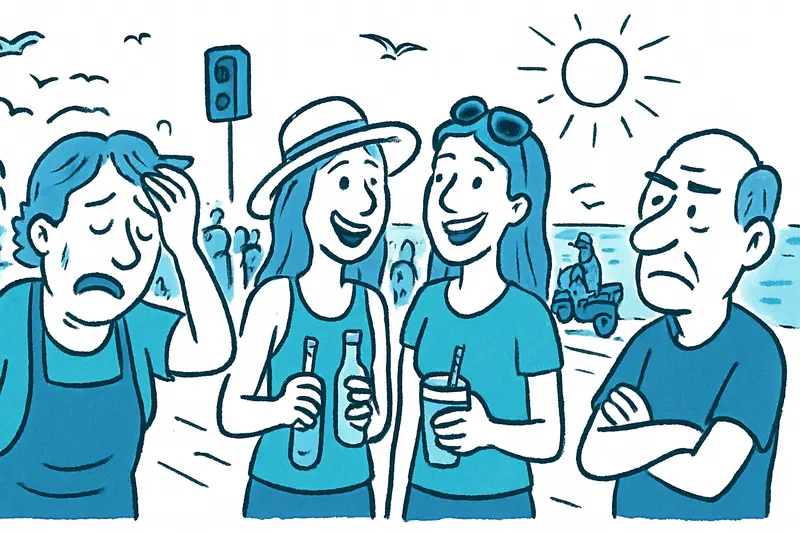
Ballermann 2026: Heat, crowded promenade and rising prices – how much longer?
Bright sunshine, over 35 degrees in the shade and busy venues at Playa de Palma: Tourists enjoy the parties, restaurateu...

Stolen motorcycle, high-speed escape, deadly crash: An accident in Palma that raises questions
A motorcycle stolen in Son Gotleu ended up hours later on the Cardenal-Rossell in Coll d'en Rabassa in a deadly collisio...

Found dead in Son Gotleu: Dog walk ends fatally — what is missing in the investigation?
A 68-year-old man was found dead on Sunday morning on Tomás Rullàn street in Son Gotleu. According to his partner, he ha...
More to explore
Discover more interesting content

Boat Tour with BBQ along Es Trenc Beach

Private transfer from Mallorca Airport (PMI) to Pollensa
