
Dijous Gros in Inca: Beans, Market Bustle and Family Laughter
Dijous Gros in Inca: Beans, Market Bustle and Family Laughter
Inca celebrates Dijous Gros in early May: market stalls, live music, children's games and restaurants serving bean dishes. A day that brings together local producers and families.
Dijous Gros in Inca: Beans, Market Bustle and Family Laughter
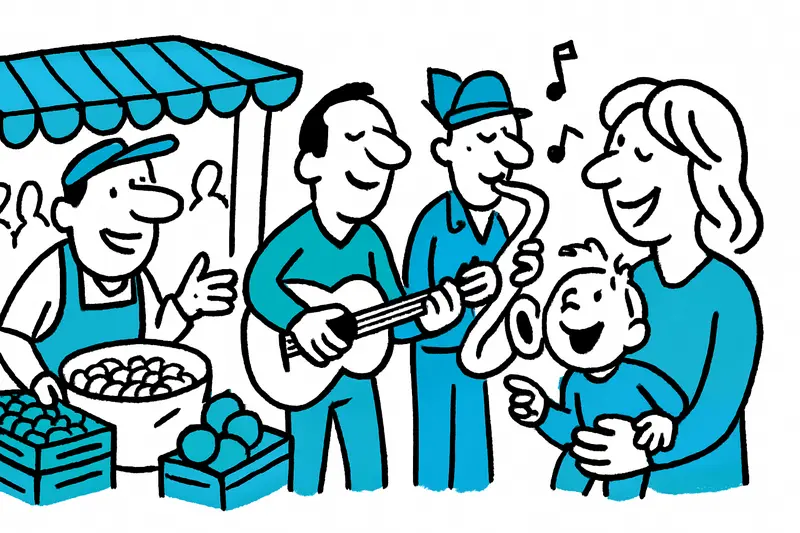
Early in the morning in Inca the air smells of fried onions and steaming beans — not a big fireworks display, but everyday life that feels especially warm on this 'Fat Thursday'. The streets in the island's interior fill up; on the plaça, in front of small bakeries and along the market stalls vendors, neighbours and tourists all speak at once. It's spring, the sun is warm, and for a few hours the town feels like a single, manageable festival mile.
The Dijous Gros, which takes place here every year in early May, isn't a big celebrity show but a down-to-earth street festival: fruit and vegetable stalls sit alongside traditional booths, local producers offer freshly harvested goods, and on small stages simple, catchy music is played. For families there are games and workshops where children can join in — pottery, painting or simple cooking demonstrations often focused on beans. The mood is family-friendly, sometimes loud, mostly warm-hearted.
Notably, beans feature prominently on the menus of restaurants that day. Inca is known for its markets — for the fuller market scene see Dijous Bo in Inca: Market, Music and the Return of the Boats — and the town's chefs take the opportunity to serve traditional stews and bean dishes. You can tell from the pots and serving platters that this is not about haute cuisine but honest, homey food that tastes like home. That draws locals as much as visitors looking for the real Mallorca.
The people involved are ordinary folk: women farmers who arrive early with their vans, taverns where the staff know customers' names, and children running barefoot across the cobbles. Between market cries, guitar and the clatter of plates small everyday scenes emerge that few want to stage perfectly on Instagram — and that's exactly the appeal. The event is a smaller, springtime sister to the better-known Dijous Bo in Inca: Eight kilometres of market, Ensaimada and rural warmth in November, but it has its own unmistakable tone.
Why is that good for Mallorca? Such festivals strengthen local supply chains: producers sell directly, restaurateurs buy regionally, and visitors spend their money in town, not only in large coastal resorts. For Inca this helps end the split between the tourist season and the quiet winter: the community shows it has something to offer all year round.
A walk through the market reveals practical benefits: if you ask the sellers you learn how the beans grew this year, which Tramuntana soils are particularly good and when the next harvest will be. Many conversations end with a recommendation for the next village café or an invitation to a tasting. Such encounters build trust — and that is often more important for small producers than short-term gains.
For families the day is a mini-excursion: parents bring blankets, children are occupied with little crafts, and everyone meets for a shared plate. The atmosphere is relaxed; between market tents and posters you hear the clatter of wooden bowls, children's laughter and sometimes the sound of an accordion. Locals know the best spots: the small square behind the church where older women sell their tortillas, or the shady alley with the ice cream café that has been serving the same scoops for decades.
Practical tips for visitors: arrive early — not only for the selection, but because the best conversations happen in the morning. Bring a cloth bag, some cash, and allow time for a short stroll through the old town. If you want to try the beans, don't hesitate to go into local places — the dishes are simple, filling and honest.
What remains as an impression? Dijous Gros is not a pompous spectacle but a day when community becomes visible: vendors, cooks, families and curious guests share space and time. In an age when many events are calculated for efficiency and audience success, this festival feels almost like a small resistance to the pace. It reminds us that good things are often simple: a market stall, a plate of beans, a conversation in the sun.
If you fancy an uncomplicated, authentic Mallorcan day, Dijous Gros is just the thing. Take your time, listen, taste and talk to people. And if you happen to be served a bowl of beans — try them. Sometimes simple flavors tell you more about an island than any brochure page.
Frequently asked questions
When is the best time to visit Mallorca for warm weather and fewer crowds?
How warm does Mallorca usually get in summer?
Can you swim in Mallorca outside the peak summer months?
What should I pack for a Mallorca holiday?
Is Mallorca good for a beach holiday or more for sightseeing?
Is Palma a good base for a Mallorca trip?
What is Port de Sóller like for a Mallorca holiday?
Are the beaches in the north of Mallorca usually calmer than the south?
Similar News

When the Wallet Becomes a Danger: Attack in Peguera and Lessons for Mallorca
In Peguera, two women are said to have stolen the wallet from a 75-year-old German couple. When the victim intervened, t...
Plata stays Plata: Young people take over, Llonguets remain
A small bar on Carrer de l'Argenteria will continue: Tolo Serra hands the place over to young Mallorcans at the end of t...
Unnoticed in the Luggage Compartment: How a Boy Traveled More Than 100 Kilometers in a Team Bus
A minor traveled in the undercarriage of a team bus for more than 100 kilometers until his cries for help were heard. A ...

Cap Vermell Grand: Second Michelin Key – a Gift for the East
The Cap Vermell Grand in Capdepera has been awarded its second Michelin key. For the region this elevates the luxury off...
Eurowings lets four aircraft carry names – a friendly idea that also reaches Mallorca
Eurowings is launching a campaign: four Airbus A320s are to carry the first names of people who help others in everyday ...
More to explore
Discover more interesting content

Can Cap de Bou

Townhouse Lleo 72
