
Indictment in the "Kegelbrüder" Case: Between Sentencing Demands and Questions of Evidence
After nearly four years the public prosecutor has charged eight holidaymakers from the Münsterland region: arson and minor bodily injury are alleged. Our analysis asks: Are the available pieces of evidence sufficient for seven-year prison terms and €100,000 in damages each?
Indictment in the "Kegelbrüder" Case: Between Sentencing Demands and Questions of Evidence
Lead question: Are the existing indications sufficient to put eight men behind bars for years — or are essential clarities missing in this proceeding?
Almost four years ago a fire broke out in Arenal, ignited on the reed roof of a bar on the Playa de Palma. Now the public prosecutor has filed charges against eight German holidaymakers from the Münsterland region, a development that echoes Trial in Essen: Four Germans charged over alleged incident in Mallorca. The accused are alleged to have committed intentional arson and minor bodily injury; the prosecution is seeking seven years' imprisonment for each and €100,000 in compensation. The defense rejects the accusations and emphasizes that there is no conclusive evidence.
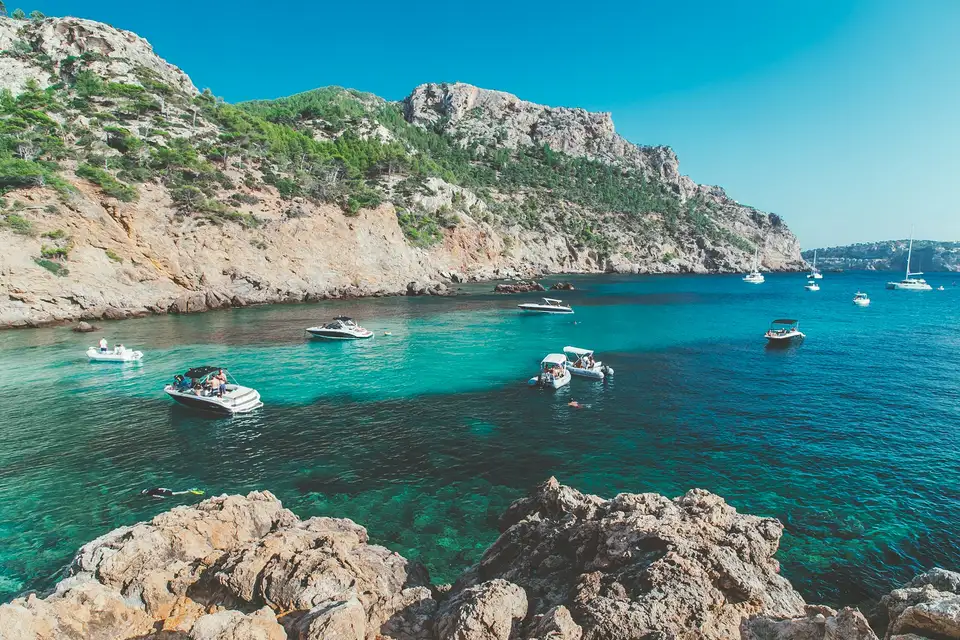
This is a serious legal claim. It raises not only questions of individual guilt but also about the quality of the investigative work and how such cases should be handled on an island with heavy tourist traffic. In Arenal people know the sounds: seagulls over empty loungers, the smell of fried fish, the click of suitcase wheels on the Avenida. Against this everyday backdrop now stands a trial that burdens the region.
Critical analysis: The publicly known facts appear incomplete. In arson cases, forensic traces, surveillance images and reliable witness statements are decisive. Four years after the event traces fade, files move, memories blur. If the indictment is based on the alleged throwing of burning cigarettes and liquids, it must be proven who acted, with what intent and how those actions causally caused the fire. Is the causality forensically established? Are there images from the balcony or the scene that allow definitive identification? Such questions have not yet been answered publicly.
What is missing from the public discourse: The perspective of bar operators and residents is rarely mentioned, as is the role of the hotel from whose balcony the act is said to have been carried out. It also remains unclear how insurance matters, potential civil claims and compensation demands are linked; there is likewise little systematic discussion of how delays in international investigations can undermine the chances of a fair trial, as highlighted by Suspended Sentence After Abuse in Palmanova: A Verdict That Raises More Questions.
An everyday scene from Arenal: On a windy afternoon you see hotel staff sweeping palm leaves along the promenade while bartenders wipe terraces. Guests smoke on balconies and look out to sea. These very places are highly sensitive: a spark, a discarded cigarette, a flammable decoration — and a fire can spread quickly. The memory of that remains vivid among locals.
Concrete solutions: First, police and courts should place greater emphasis on transparent factual evidence — for example through forensic reports that are disclosed and explained in an understandable way. Second, better technical equipment is needed in tourist hotspots: more and better positioned cameras on access roads and promenades could facilitate later identifications, of course while respecting data protection rules. Third, hotels should be required to document safety protocols for balconies and terraces and to clearly mark smoking areas; fire safety training for staff could become routine.
Fourth, preventive material policies are important: reed and straw roofs are part of the island's character, but they must be regularly treated with fire retardants or supplemented by less flammable alternatives. Fifth, the judiciary could improve procedures between Spanish authorities and foreign defense counsel so that evidence is made available quickly and completely and defendants are not disadvantaged by delays.
Conclusion: In Mallorca this is not just about a single incident but about the interaction of tourism, prevention and the rule of law. The demand for long prison terms and large compensation sums requires robust evidence. The Arenal community is entitled to clarification and safety, and the accused are entitled to a fair trial. Practical preventive measures and technical improvements can help prevent a similar tragedy from again filling the promenade and the headlines.
Frequently asked questions
What happened in the Arenal fire case in Mallorca?
How much evidence is needed for an arson charge in Mallorca?
Why can a Mallorca criminal case take so long to come to trial?
Can hotel balconies and terraces in Mallorca be a fire risk?
What fire prevention measures make sense for bars and hotels in Mallorca?
What is Arenal on Mallorca like outside the headlines?
How can compensation claims work after a fire incident in Mallorca?
Why are cameras and better documentation often discussed in Mallorca resort areas?
Similar News
Magaluf: Watchtower Alarm – Lifeguards Pull Unconscious Beachgoer from the Water
After a drama in the late afternoon, two lifeguards at Magaluf beach rescued an unconscious 44-year-old man. He was stab...

Turquoise in the City: How dangerous is the color play of the Sa Riera?
The Sa Riera in Palma suddenly turned turquoise — a pretty motif, but behind the effect lies a discharge of saline waste...

Jeckliner at Sunnesching: Cologne spirit sets sail from Palma
In September 2027 the Mein Schiff 2 briefly becomes a floating carnival stage: four days with Cologne bands, comedy and ...
Finally Home: Mike and Leyla Heiter Buy Villa with Sea View in Mallorca
The reality TV couple Mike and Leyla Heiter have bought a house in Mallorca with a roof terrace and sea view. An Instagr...
Arrest after series in Palma: Who protects apartments from repeat offenders?
The National Police arrested a man in Palma who investigators say may have broken into several apartments. In one incide...
More to explore
Discover more interesting content

Can Cap de Bou

Townhouse Lleo 72
