
400,000 Followers, Court in Palma: What This Case Reveals About Power, Evidence and Everyday Life in Mallorca
400,000 Followers, Court in Palma: What This Case Reveals About Power, Evidence and Everyday Life in Mallorca
A well-known social media star is accused of having harmed her husband with sedatives. Why the case is more than a scandal and which questions remain open.
400,000 Followers, Court in Palma: What This Case Reveals About Power, Evidence and Everyday Life in Mallorca
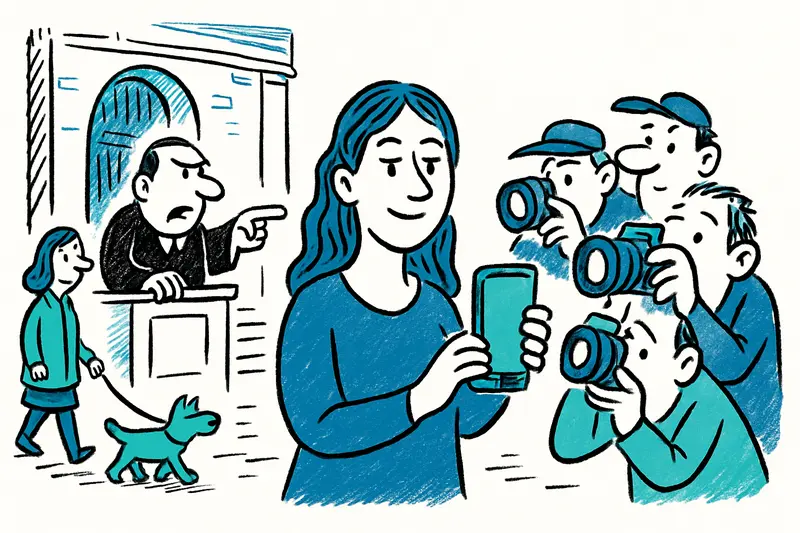
In the morning there is busy traffic on Passeig Mallorca. Delivery vans rumble by, a woman with a dog walks past, tourists study their maps — and curious glances gather in front of the courthouse in Palma. At the center of attention is a 45-year-old woman with a large online following, whom the public prosecutor accuses of attempted murder because sedatives were detected in her husband's blood sample. The woman has been provisionally released; investigations are ongoing.
Key question
How should society deal with cases in which private violence, forensic evidence and the enormous reach of a social media personality intersect?
Critical analysis
The details known so far: The husband suddenly felt severely unwell for no apparent reason, was taken to hospital and treated for three days; after medical tests doctors found sedatives in his blood; the police have been investigating since the beginning of the year, and a unit specialized in family and women's affairs has compiled evidence. All of this sounds like a classic forensic case — and yet something new comes into play: the stage of social media. When a person with hundreds of thousands of followers is involved, the perceptions and pressures that investigators, judges and those affected must deal with change.
There are several sensitive points. First: the balance between presumption of innocence and public interest. Prejudgment in comment sections can burden investigations and influence witnesses, as seen in coverage of the conviction for secret video recordings in a Palma bar. Second: evidence preservation in cases involving medications. Lab tests must be documented without gaps and chains of custody must be traceable, and local reporting on delays in Palma's court proceedings underlines the importance of robust documentation. Third: the protection of victims and potential witnesses, especially when it comes to domestic situations; fear of stigmatization can prevent people from seeking timely help.
What's missing in the public discourse
Discussion often focuses only on headlines and reach. Three debates are missing: about secure medication storage in households, about professional standards for toxicological reports and about how to handle digital influence in criminal proceedings. In addition, support structures for those affected in Palma and on the island receive too little attention; an ambulance may take someone to hospital, but who accompanies the filing of a report, the trauma and the legal procedures, as highlighted by reporting on a major raid in Palma and related investigations?
An everyday scene from Mallorca
A Saturday midday in a small bodega in Santa Catalina: people share tapas, and a daily newspaper with an article about the case lies on a table. The conversation quickly shifts from the latest market harvest to the trial. Scenes like this show how closely public interest and private life are intertwined here — on an island where personal acquaintances often shorten or lengthen paths to authorities, lawyers and doctors, and where similar proximity issues surfaced in the trial over hidden surveillance north of Palma.
Concrete solutions
- Strengthen police procedures: standardized protocols for securing blood samples and medications as well as transparent documentation of the chain of custody.
- Link medical care: emergency departments should inform those affected about legal steps, victim support and psychosocial assistance; brief information in multiple languages would be helpful on Mallorca.
- Protection from online prejudgment: courts and investigators must recognize media influence and, if necessary, protect informants or witnesses; platforms should be able to flag false information more quickly during ongoing investigations.
- Local prevention: educate pharmacies and general practitioners on how to securely store over-the-counter sedatives; information campaigns in communities and tourist areas.
Concise conclusion
The case is more than a crime drama with click numbers: it is a test case for our institutions on an island small enough that private fates quickly become public matters. While investigations are ongoing, the presumption of innocence applies. Nevertheless, we should use the discussion to improve forensic standards, victim protection and the handling of digital reach — so that in future fewer people are ground between the emergency room, the courtroom and the comment sections.
Frequently asked questions
What happens in Mallorca when someone is accused of attempted murder but the investigation is still ongoing?
How reliable are toxicology tests in Mallorca court cases?
Why can social media make a criminal case in Mallorca more difficult?
What should you do in Mallorca if someone may have been drugged or poisoned?
How does the court in Palma handle sensitive domestic violence cases?
Where can people in Mallorca get help after a violent incident or police report?
Why do cases in Palma often become public so quickly?
What practical steps can Mallorca households take with sedatives and other medicines?
Similar News
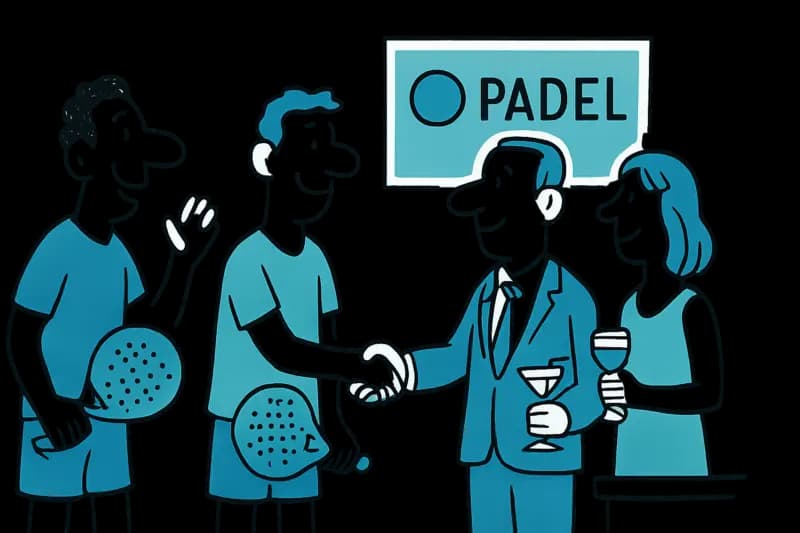
Bendinat as a meeting place: Padel Cup brings together nearly 120 players
Three days of padel at the Bendinat Urban Country Club: organized by El Económico and Borbalán, with around 120 particip...
Large-scale Anti-Tourism Graffiti at Cala Mendia: Protest or Vandalism?
On the morning walkers discovered an approximately 50-meter-long slogan against tourism on the wall above Cala Mendia. W...
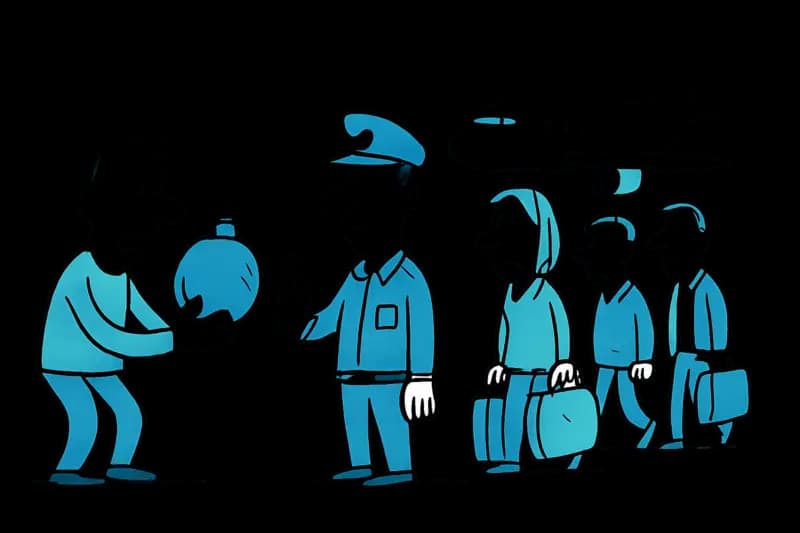
Bomb threat before Jet2 flight in Tenerife: A reality check for security protocols
A passenger reported a bomb in luggage shortly before departure in Tenerife. Evacuation, baggage checks, delays — and ma...
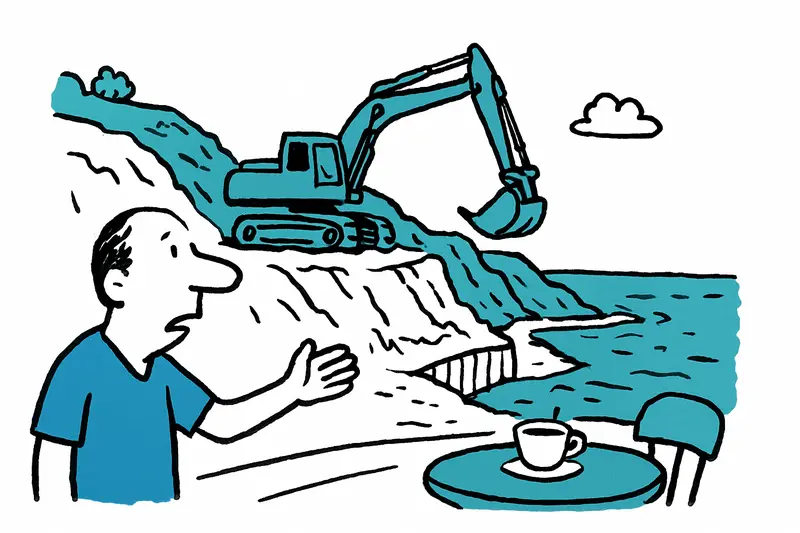
Who is stripping Mallorca's coast bare? Why entire slopes are being removed for villas
On Mallorca steep slopes are again being removed to make way for luxury construction sites. Who bears the responsibility...

Robber Falls While Fleeing in Sant Agustí: Who Takes Responsibility?
During a purse-snatching in Sant Agustí, a non-commissioned officer chased the suspect; the man jumped from a bridge and...
More to explore
Discover more interesting content

Can Cap de Bou

Townhouse Lleo 72
