
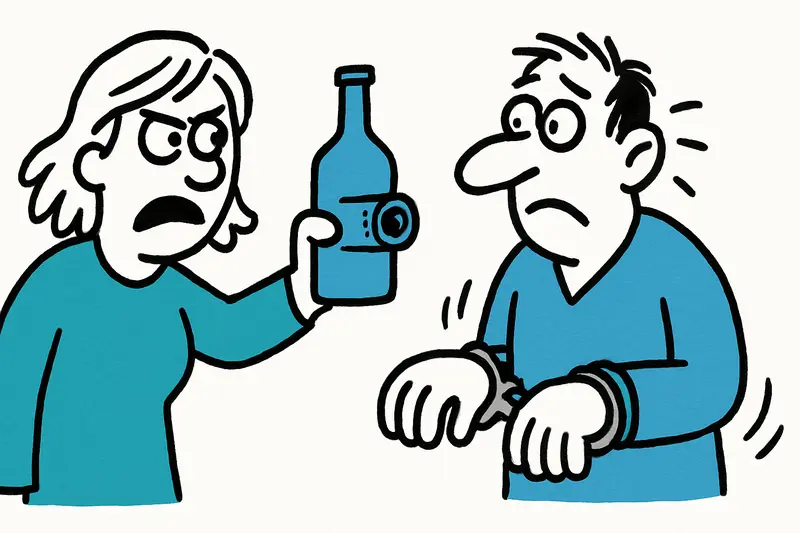
Secret Recordings in Palma: Verdict, Questions and What Matters Now for Those Affected
A court in Palma convicted a bar owner for secret video recordings in the women's restroom. The verdict shows the legal consequences — but for those affected it is about more than punishment. A look at consequences, gaps and practical help in Mallorca.
Secret Recordings in Palma: Verdict, Questions and What Matters Now for Those Affected
Late in the morning, the streets around Palma's centre still cool and accompanied by the distant honk of a bus, passersby heard the verdict yesterday: two years and eight months in prison for a 45-year-old bar operator, plus fines and compensation payments, according to the Mallorca Magic report on the Palma bar owner convicted for secret recordings.
A guiding question: Is punishment alone enough to restore trust?
The court makes clear that unlawful surveillance is punishable. But the central question remains: Does a prison sentence and financial compensation heal the loss of trust that has occurred? Many victims report not only shame but a lasting distrust of public spaces — especially those we consider safe. In Palma, where the murmur from the bars and the clinking of glasses are part of the city's soundscape in the evening, this violation of privacy cuts particularly deep.
What became visible in the trial — and what did not
About 30 women have been identified so far; witnesses described their pain in court. The prosecution spoke of "systematic intrusions into intimate privacy." The defendant denied parts of the allegations, and his brother, the alleged co-owner, was acquitted. These differences in the verdict raise another question: How well can investigators and judges actually reconstruct such cases when the evidence is of a technical and psychological nature?
An often overlooked dimension is the technical one: hidden cameras north of Palma are becoming smaller and storage paths more complex. Investigations therefore quickly reach limits — security data from the bar or recordings can be deleted or encrypted. Such gaps not only complicate criminal prosecution but also make it harder to give victims certainty.
Concrete gaps and possible solutions
What can Mallorca do to make such incidents rarer — and to better support victims? Some constructive approaches:
1. Technical checks and certificates: For particularly frequented venues, regular spot checks for hidden devices by trained teams or certified security companies could be useful. A kind of voluntary visibility seal for "safe restrooms" would be an idea worth exploring.
2. Staff training: Bars and restaurants often have high staff turnover. Training on how to handle reports of cameras, reporting channels and awareness of privacy should be part of hospitality training, including information from authorities such as the Spanish Data Protection Agency (AEPD).
3. Low-threshold reporting options: Not every affected person wants to go to the police immediately. Anonymous hotlines, online reporting tools and cooperation with victim support services in Mallorca can help document cases and provide advice.
4. Public awareness: A campaign in Palma — with posters at central places like Plaça Major or in popular nightlife districts — could inform about the risk, how to recognize suspicious devices and where to find help.
Financial consequences vs. emotional consequences
The court sentenced the man to a fine of 4,800 euros and ordered compensation of more than 90,000 euros in total. Adding possible civil claims and further costs, significant financial consequences loom. But for many victims, financial compensation is only one component. Counseling, therapy offers and the feeling of being taken seriously are at least equally important.
Support centers in Mallorca have already stepped forward to offer assistance. It is now important that these services are visible and easily accessible — in several languages, anonymous and long-term. Debates about sentences and their impact on victims' trust can be seen in similar coverage, for example the Mallorca Magic report on the suspended sentence in Palmanova.
Looking ahead: speed of appeals and societal responsibility
The verdict is not yet final; appeals are possible. Regardless of the final sentence, society in Palma is called upon. From the city administration to the operators of small bars — everyone bears shared responsibility so that guests can use restrooms without fear.
A final thought: Such cases repeatedly introduce an element of insecurity into everyday life — on the streets of Palma, amid the clinking of glasses, in conversations between neighbours. It's not just about punishments, but about measures that create lasting trust. How seriously we take the protection of intimate privacy will be measured by those measures in the future.
The day after the verdict, people discuss quietly in cafes while the sun slowly returns: Laws are important — even more important is that we as a community take steps so such violations are not possible in the first place.
Frequently asked questions
What can people in Palma do if they think they were secretly recorded in a bar or restroom?
How serious is the punishment for secret recordings in Mallorca?
Can secret cameras in Mallorca bars or restaurants be hard to detect?
What support is available in Mallorca for people affected by secret recordings?
What should Palma bars and restaurants do to prevent hidden camera cases?
Why do secret recordings in Palma affect people’s sense of safety so strongly?
Can a verdict in a Mallorca secret recording case still change?
How can people in Mallorca report a suspected hidden camera without going to the police straight away?
Similar News
Palma under the microscope: 87 arrests over forged passports – what now?
The National Police stopped 87 people at Palma airport this year with allegedly forged documents. Why are controls alone...
When a Taxi Fare Dispute in Magaluf Turned Bloody: How Safe Are Passengers and Drivers?
In Magaluf a dispute over the fare escalated: a tourist, now 18, is accused of having seriously injured a taxi driver in...

Why Mallorca Has Become So Terribly Expensive — A Reality Check
Rents are exploding, staple food prices are rising, wages are lagging behind. A look at the causes, what is missing from...
When Paradise Becomes Unaffordable
Hotel rooms, paella and the weekly grocery shop: Mallorca is becoming more expensive for many. Who pays the bill — guest...
End at Ballermann: What Is Lost with the Dino Mini Golf at Playa de Palma
On October 25 the dinosaur mini-golf course at Playa de Palma will close after more than 30 years. Why the city is recla...
More to explore
Discover more interesting content

Can Cap de Bou

Townhouse Lleo 72
