
Eight People, One Roof: How a Fire Exposed Palma's Housing Shortage
Eight People, One Roof: How a Fire Exposed Palma's Housing Shortage
A fire on the seventh floor of the Avenidas exposed how overcrowded apartments have become: seven adults and one child shared a 120 sqm penthouse. This article poses the central question, offers analysis, a day-to-day scene and concrete proposals for Palma.
Eight People, One Roof: How a Fire Exposed Palma's Housing Shortage
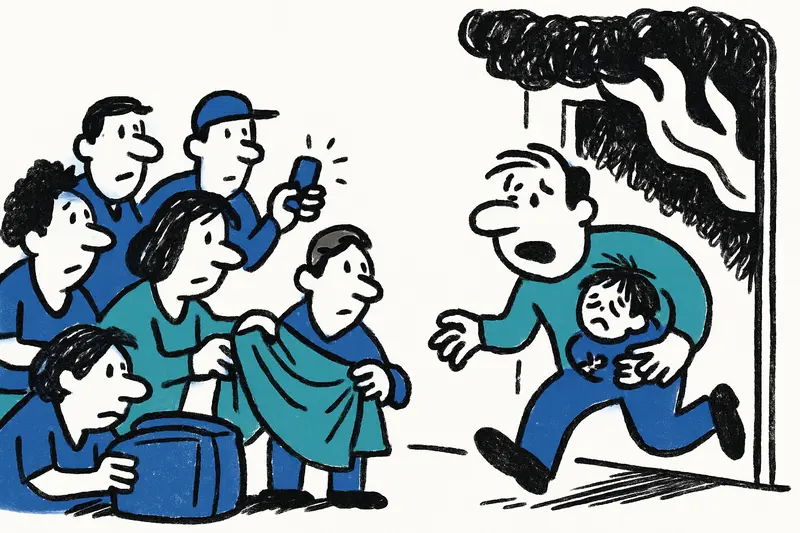
Late on Tuesday afternoon black smoke rose above the Avenidas, sirens mixed with the usual after-work noise. A penthouse on the seventh floor was on fire; people gathered in the street with phone flashlights. The image stuck: suitcases on the landing, a child with smoke-irritated eyes, neighbors handing over blankets. Less visible was the cause: a shared living space, overcrowded, improvised incense rituals and a glowing coal between piled-up clothes — the spark that ignited a life on the edge.
Central Question
How can Palma prevent the response to rising rents and housing shortages from continuing to be "then we’ll just share everything" — until the next disaster?
Critical Analysis
The fire revealed not an isolated incident but a systemic gap, echoed by reports such as Fire on the outskirts of Palma: When improvised settlements become a ticking time bomb. In a city center where 120-square-meter apartments are offered at luxury prices, people with lower incomes look for ways to find any roof over their heads. According to eyewitnesses, the residents of the burned apartment were employed, not squatters. They shared rent, bathroom times and responsibilities; they slept close together to pay the monthly bills. When safety rules, fire protection and dignified space standards become difficult to meet, the result is predictable: multi-person shared flats without protective measures, improvised cooking or cleaning spots, dangerous storage of textiles and other flammable materials.
What Is Missing in the Public Discourse
The debate often centers on tourist pressure and investors; too little is said about the people who live and work here, as highlighted in When Work Isn't Enough: Palma and the Growing Number of Homeless People. Their everyday reality — cleaning schedules, shift work, language barriers, insecure fixed-term contracts — receives little attention. There are also few clear figures on unregistered shared households, on the overflow from short-term rentals into the regular rental market, as documented in When Living Rooms Become Bedrooms: How Mallorca Suffers from a Housing Shortage, and on measures that could require landlords to prove fire safety. And: there are hardly any visible, low-threshold offers for temporary accommodation after emergencies that would enable a return to safe living conditions.
Everyday Scene from Palma
Imagine the Avenidas on a cool evening: bus 1 passes, a bakery closes, children with backpacks walk toward Carrer de Sant Miquel. On one floor a phone rings, someone reports that their shift has been extended. On the stairwell below three adults stand; one holds a black plastic bag with their last belongings, the smell of smoke in their hair. These are the consequences — people whose daily routines are determined by shift schedules and public transport, suddenly without intact housing.
Concrete Approaches
The city administration, municipalities and social agencies have levers at hand that are feasible without much ideology: First, a mandatory, low-cost fire safety check program for multi-person households, combining informational material in several languages with small repair grants. Second, temporary emergency aid: immediate shelters and a fund to help affected people pay a short-term rent so that overcrowding is not the only option. Third, binding registration and inspection rules for landlords in central districts, linked to incentives for long-term rentals instead of short-term letting. Fourth, expansion of non-profit housing and targeted conversion of vacant apartments into social housing — accompanied by rapid, unbureaucratic intake for those affected. Fifth, information campaigns at workplaces and bus stops: rights, emergency numbers, fire-safety basics. Sixth, local matching platforms for fair co-renting so that shared living models can be transparent and regulated.
Why This Works
These measures meet reality: they combine prevention (fire checks), immediate relief (emergency accommodation, rent fund) and long-term structural change (more social housing, regulation). They are not romantic but pragmatic — and they relieve not only those affected but also neighborhoods, emergency services and landlords who otherwise face the consequences of improvised solutions.
Concise Conclusion
The fire in the Avenidas was more than a blaze. It was a warning light: if the answer to unaffordable rents remains tighter cohabitation, we risk repetition — sooner or later in another form, as seen in Fire near Porto Pi: What the blaze reveals about safety in Palma. Palma does not need grand slogans but tangible, quickly implementable steps: protect people, secure spaces, make rents predictable. Otherwise the next image will be the same — only without the luck when it comes to human lives.
Frequently asked questions
Why are so many people in Palma sharing flats with too many roommates?
What housing problems does Palma have right now?
Can overcrowded shared housing in Mallorca become a fire risk?
What should I do if a flat in Palma feels unsafe because of overcrowding?
What kind of support could help people in Palma after a housing emergency?
Is Palma doing enough to stop unsafe shared housing?
What makes the Avenidas area of Palma vulnerable to housing problems?
What are realistic ways Mallorca could reduce the housing shortage?
Similar News
Released with Conditions: The Plus Ultra Suspicion and a Mallorcan Finca as Residence
A Dutch entrepreneur, sought in connection with the Plus Ultra case, was extradited to Spain after his arrest in Germany...

Haute Nuit in Puerto Portals: Fashion, Art and Indulgence by the Water
On October 2 the Lobster Club in Puerto Portals will be transformed into a stage for curated fashion, art and culinary e...
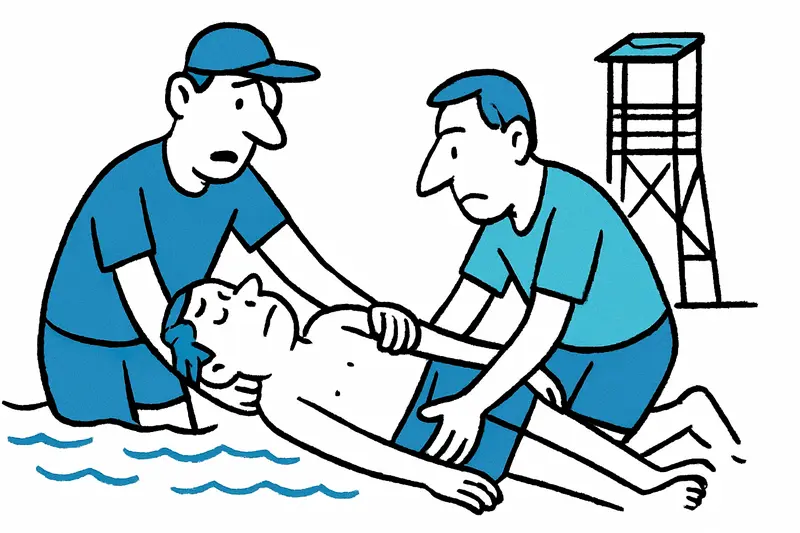
Magaluf: Watchtower Alarm – Lifeguards Pull Unconscious Beachgoer from the Water
After a drama in the late afternoon, two lifeguards at Magaluf beach rescued an unconscious 44-year-old man. He was stab...

Turquoise in the City: How dangerous is the color play of the Sa Riera?
The Sa Riera in Palma suddenly turned turquoise — a pretty motif, but behind the effect lies a discharge of saline waste...

Jeckliner at Sunnesching: Cologne spirit sets sail from Palma
In September 2027 the Mein Schiff 2 briefly becomes a floating carnival stage: four days with Cologne bands, comedy and ...
More to explore
Discover more interesting content

Can Cap de Bou

Townhouse Lleo 72
